
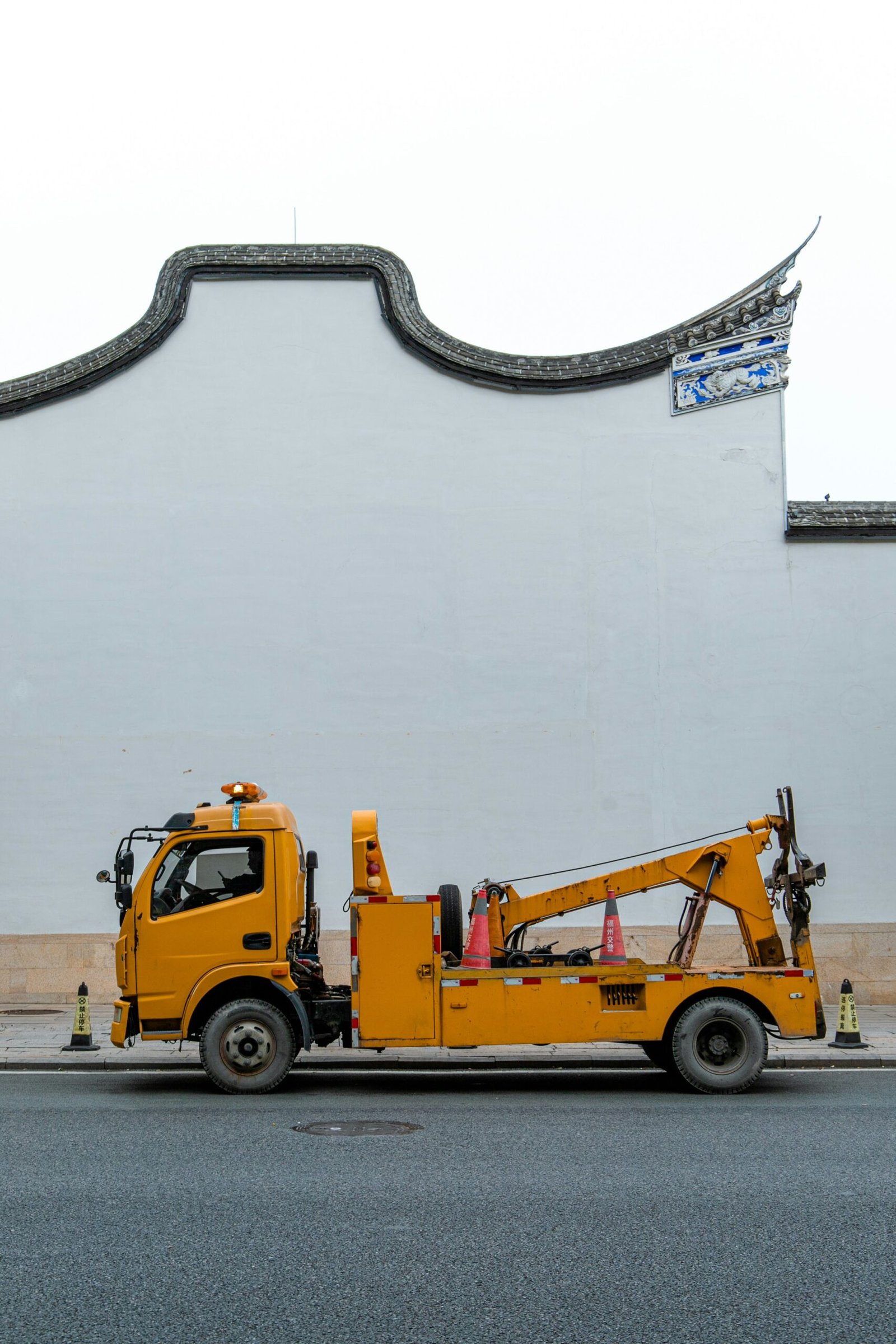
Imagine leaving a shop, returning to your parked car or dealing with an unexpected roadside incident when a tow truck arrives. The driver says your vehicle needs to be moved, but you are unsure who requested the tow, how much it will cost or where your car will go.
These situations can be stressful, particularly when you need your vehicle for work, family commitments or daily travel. Knowing what to ask before your vehicle is moved can help you make informed decisions and avoid unnecessary confusion.
For Calgary drivers, understanding towing authorisation, written estimates and vehicle destinations is especially important. Alberta introduced additional consumer protections for vehicle towing and storage on 1 April 2026, including requirements concerning consent, cost estimates and invoices.
This guide explains what to check, what questions to ask and how to arrange towing when you need control over the next steps.
Why You Should Check the Details Before a Tow
Not every tow happens because a car has broken down. A vehicle may need to be moved after a collision, removed from a restricted parking area or transported to a repair facility.
However, the circumstances matter. A tow requested by a vehicle owner is different from one ordered by police, a government authority or a property owner under applicable rules.
Before agreeing to a tow, establish three things:
- Who authorised it? Find out whether the tow is being arranged at your request or under an official direction.
- What will it cost? Ask for the applicable towing and storage charges before the vehicle is taken, where the rules require an estimate.
- Where is the vehicle going? Confirm the destination and make sure it matches your instructions or the applicable authority’s direction.
These questions help you understand the situation before your vehicle leaves the location.
1. Confirm Who Requested the Tow
If a tow truck arrives unexpectedly, do not assume that the driver has been sent by your insurance company, a mechanic, the police or the property owner.
Politely ask who requested the service and why your vehicle needs to be moved. If you called for assistance yourself, confirm that the driver has the correct vehicle details and understands the problem.
If your vehicle is being removed from private property, ask the property representative or the relevant authority to explain the reason. A tow may be permitted under particular circumstances, but the process depends on the situation.
At a collision scene, Calgary also has rules intended to prevent unrequested tow trucks from approaching incidents. The City introduced a 200-metre restriction zone around collision or incident scenes, subject to specified exceptions for operators requested by emergency responders or the vehicle owner or operator.
You can read the City of Calgary’s collision-scene towing rules for more information.
If the circumstances are unclear, avoid arguing in traffic or putting yourself at risk. Contact the relevant authority from a safe location.
2. Ask for a Written Towing Estimate
A tow can involve more than the basic cost of moving a vehicle. Depending on the circumstances, the final charges may include towing, storage and other applicable services.
Before the tow begins, ask for a written estimate when required by Alberta’s towing and storage rules. It should clearly identify the towing charge and any storage rates.
A written estimate gives you something to review and keep. It also helps prevent misunderstandings about what you agreed to pay.
Before accepting the service, check:
- The quoted towing charge.
- Whether storage fees may apply and how they are calculated.
- Whether any additional services are included.
- The business details shown on the estimate.
- Whether the estimate matches the service you requested.
Do not rely solely on a hurried verbal explanation if a written estimate is required. Keep a copy of the estimate, such as a text message or email, for your records.
For the current requirements and exceptions, consult the official Alberta Vehicle Towing and Storage Regulation guidance.
3. Understand Consent Before the Vehicle Is Moved
Under Alberta’s rules introduced in April 2026, towing and storage operators generally need consent from the vehicle owner or their representative before towing begins, unless an applicable exception applies.
This means it is worth establishing what you are agreeing to before the driver takes possession of your vehicle.
If you requested the tow, confirm the service and destination. If someone else arranged it, ask who provided the authorisation and whether the tow is being carried out under an applicable legal or property-related exception.
Do not assume that every tow requires the same authorisation process. Towing directed by law enforcement or a government authority, and certain removals arranged by property owners, may be treated differently under the rules.
If you are uncertain about the circumstances, ask for an explanation and keep any documents or messages you receive.
4. Choose the Destination Carefully
When you arrange a tow, think about where the vehicle should go before the truck departs.
For example, you may want your car delivered to:
- A repair shop that has agreed to inspect it.
- A dealership familiar with your vehicle.
- Your home or another suitable private location, where appropriate.
- A different agreed destination if your original choice is unavailable.
Confirm the full address with the towing operator and ask whether the quoted price changes with the destination.
Under Alberta’s towing and storage rules, operators are generally required to take vehicles only to locations agreed to by the consumer, subject to applicable exceptions. If mileage is charged, the rules also address use of the most direct route unless otherwise directed or agreed.
If your vehicle needs to travel outside Calgary, review the destination and distance before accepting the quote. ARM Towing provides towing and roadside assistance in Calgary and lists long-distance vehicle transport among its services.
5. Keep a Record of Your Vehicle’s Condition
Before the vehicle is loaded, if it is safe and practical to do so, take photographs of its exterior, visible damage, wheels and any other relevant areas.
Record the vehicle’s registration plate and note any existing damage. If the vehicle has been involved in a collision, avoid putting yourself in danger to obtain photographs.
Keep copies of:
- The towing estimate.
- Any written consent or authorisation.
- Messages about the destination.
- Photographs taken before the tow.
- The invoice and any storage documents.
These records can help you explain what happened if you later have questions about the service or the vehicle’s condition.
6. Review the Invoice Before Payment
Alberta’s towing and storage rules include requirements for invoices, such as vehicle details, service dates and locations, and an itemised list of costs.
Before paying, compare the invoice with the estimate and check whether the listed services match what was provided. If something is unclear, ask the operator to explain the charge.
Keep the final invoice with the estimate and any other documents. If you believe the towing or storage service has not complied with the applicable requirements, Alberta provides information on how consumers can raise concerns through its official regulation guidance.
7. What If Your Vehicle Has Already Been Towed?
If you return to find your car missing, first establish whether it was towed, relocated or taken to an impound facility.
You can contact the property owner or manager, the relevant authority or local police where appropriate to help determine what happened. If the vehicle was removed under municipal parking enforcement, the City of Calgary provides information about towed vehicles and how to retrieve them.
Once you identify the vehicle’s location, ask about the release process, required documents, applicable charges and opening hours before travelling to collect it.
If you need another tow to move the vehicle from a storage or impound facility, confirm that the operator can access the location and meet its requirements. Do not assume that you can carry out repairs or collect the vehicle without following the facility’s procedures.
8. When to Arrange Your Own Towing Service
If you have a choice of operator and are authorised to arrange the tow, using a service you contact directly can make it easier to discuss the price, vehicle type and destination before dispatch.
Before booking, explain:
- Your vehicle’s make and model.
- Your exact location.
- Whether the vehicle can roll and steer.
- Any visible damage or special handling requirements.
- The destination you want.
- Whether access is restricted, such as in a low-clearance garage.
These details help the operator determine what equipment and arrangements may be appropriate.
For help with a vehicle that needs transport after an incident or cannot be driven safely, visit ARM Towing to review its towing and recovery services or contact the company to discuss your situation.
Quick Checklist: Before Your Vehicle Is Towed
Use this checklist whenever you have time and it is safe to confirm the details.
- Establish who requested or authorised the tow.
- Understand why the vehicle needs to be moved.
- Request a written estimate where required.
- Check towing and potential storage charges.
- Confirm the destination and any mileage charges.
- Keep copies of consent, estimates and messages.
- Photograph the vehicle’s condition when safe.
- Review the itemised invoice and retain your records.
Remember that the process may differ when police, government authorities or property owners direct the removal. Safety and lawful instructions take priority at an active incident scene.
Frequently Asked Questions
Can a tow truck take my car without my permission in Calgary?
The answer depends on the circumstances. Alberta’s rules generally require consent before towing begins, but exceptions apply, including certain tows directed by law enforcement or a government authority and certain removals arranged by property owners. The applicable rules and circumstances determine what authorisation is required.
Should I receive a written estimate before my car is towed?
Alberta’s towing and storage rules require a clear written estimate of towing and storage costs before the vehicle is taken in situations covered by the regulation. Specific exemptions apply, so check the official provincial guidance if you are unsure whether the requirements cover your situation.
Can I choose the repair shop where my vehicle goes?
When you arrange the tow, confirm your preferred destination before the service begins and ask whether it affects the price. Alberta’s rules generally restrict operators to destinations agreed to by the consumer, subject to applicable exceptions.
What should I do if the final bill is higher than the estimate?
Ask the operator for an itemised invoice and an explanation of the difference. Keep the estimate, invoice and related messages. If you believe the service has breached the applicable requirements, consult Alberta’s official towing and storage regulation guidance for complaint information.
What if my vehicle has been towed from private property?
Contact the property owner or manager to establish why it was removed and where it was taken. Confirm the release procedure, charges and documents required before travelling to collect it. The circumstances of the removal may affect which rules apply.
How can I arrange towing to a garage I choose?
Contact a towing company directly, explain your vehicle’s condition and location, and provide the garage’s address. Confirm the quote and destination before the tow begins, where you are authorised to arrange the service.
Final Thoughts
An unexpected tow does not have to leave you confused about your rights or the next steps. By checking who authorised the removal, reviewing the estimate, confirming the destination and keeping your paperwork, you can make better-informed decisions about your vehicle.
For Calgary drivers, understanding the difference between a tow you arrange and a removal directed by an authority is particularly important. When you need to arrange vehicle transport yourself, clear communication with the towing operator helps everyone understand the service before the vehicle is moved.
For towing and roadside assistance in Calgary, visit ARM Towing to learn about available services and discuss your vehicle’s transport needs.

Moussa El Haddaoui is a digital content creator, web developer, and SEO specialist with a background in English Studies. He writes engaging, informative content and builds websites focused on user experience, search visibility, and quality. His interests include web development, AI automation, digital marketing, and creating useful online experiences.