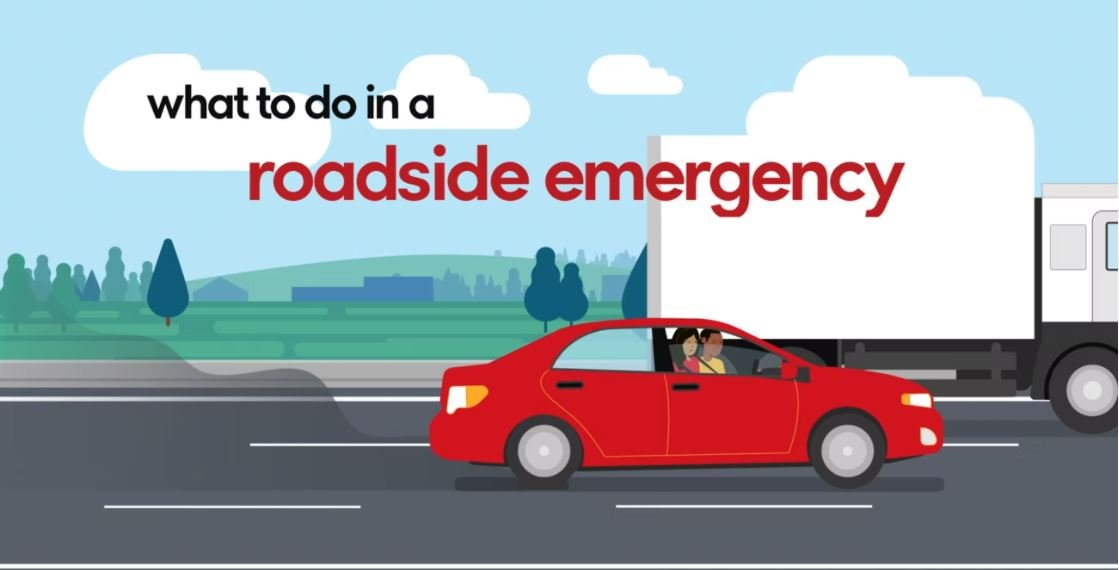
Breaking down on the road is never convenient, but being prepared can make a roadside emergency much easier to manage. Calgary drivers face everything from flat tires and dead batteries to snow, ice, poor visibility and unexpected breakdowns, particularly during the winter months.
A well-prepared vehicle should carry basic emergency supplies, and every driver should know what to do if the car suddenly stops working.
This roadside emergency checklist for Calgary drivers covers what to keep in your vehicle, how to respond to common roadside problems and when it is safer to call professional roadside assistance or a tow truck.
Quick Roadside Emergency Checklist
Before heading out, make sure your vehicle has:
- Jumper cables or a suitable portable jump starter
- Flashlight and spare batteries
- First aid kit
- Reflective vest or warning triangles
- Ice scraper and snow brush
- Small shovel
- Blanket and extra warm clothing
- Gloves and extra socks
- Water and non-perishable snacks
- Tire pressure gauge
- Spare tire, jack and lug wrench if supplied for your vehicle
- Basic tool kit
- Phone charger or power bank
- Windshield washer fluid
- Traction material such as sand or non-clumping kitty litter
- Vehicle documents and emergency contact information
Transport Canada and the Government of Alberta both recommend keeping an emergency kit in your vehicle, with additional winter supplies such as a shovel, traction material, booster cables, warm clothing, blankets, food and water.
What Should You Keep in Your Car for a Roadside Emergency?
Your emergency kit does not need to be complicated. The goal is to have enough equipment to keep you safe and comfortable while you solve a minor problem or wait for professional help.
1. Jumper Cables or a Portable Jump Starter
A dead battery is one of the most common reasons drivers need roadside assistance.
Keep a good set of booster cables in your vehicle. A portable jump starter can also be useful because it does not require another vehicle.
Cold weather can be particularly hard on vehicle batteries, so checking your battery before winter is a good idea. Transport Canada recommends checking the battery and charging system as part of preparing a vehicle for winter.
If you are unsure how to safely boost your vehicle, it is better to call a professional rather than risk damaging the vehicle or injuring yourself.
2. Flashlight and Extra Batteries
A breakdown at night can make even a simple problem much harder to handle.
Keep a reliable flashlight in your vehicle and check its batteries regularly. A flashlight can help you inspect a tire, locate items in the trunk or make yourself more visible when dealing with a roadside problem.
3. First Aid Kit
A basic first aid kit should be part of every vehicle emergency kit.
Keep it somewhere accessible rather than buried underneath other items in the trunk.
Canada’s emergency preparedness guidance recommends including a first aid kit in a vehicle emergency kit.
4. Warning and Visibility Equipment
If your vehicle stops near traffic, visibility becomes extremely important.
Consider carrying:
- Reflective safety triangles
- A reflective vest
- A warning light
- Other appropriate visibility equipment
These items can help make your vehicle and your location easier for approaching drivers to see, particularly at night or during poor weather.
5. Warm Clothing and Blankets
Calgary winters can create uncomfortable and potentially dangerous conditions if you become stranded.
Keep extra:
- Gloves
- Socks
- Warm clothing
- Hat or toque
- Blanket
- Winter footwear
Transport Canada specifically recommends extra clothing, gloves, socks, footwear, blankets and hand or foot warmers for winter emergencies.
6. Food and Water
Keep a few non-perishable snacks and bottles of water in the vehicle.
Granola bars, nuts and other foods that can be stored for extended periods are practical choices.
Canada.ca also recommends food, water and other basic supplies as part of a vehicle emergency kit.
7. Shovel and Traction Material
A small shovel can be extremely useful if your vehicle becomes stuck in snow.
You can also carry sand, road salt or non-clumping kitty litter to provide additional traction around the tires when appropriate. Alberta recommends these types of supplies as part of a winter vehicle emergency kit.
8. Ice Scraper and Snow Brush
These should be standard equipment for Calgary drivers during winter.
Before driving, clear snow and ice from the windows, mirrors, lights, roof and other parts of the vehicle that affect visibility or could create hazards for other road users. Transport Canada recommends clearing snow and ice from the vehicle before driving.
9. Phone Charger or Power Bank
A working phone can be one of your most important emergency tools.
Keep your phone charged and carry a charging cable. For longer trips, Transport Canada recommends considering a battery pack for your phone.
If you are dealing with an emergency, having enough battery to contact roadside assistance or emergency services can make a major difference.
What to Do When Your Car Breaks Down in Calgary
If your vehicle develops a serious problem while driving, your first priority should be safety.
Step 1: Get to a Safe Location
If possible, move the vehicle to a safe place away from moving traffic.
A parking area, rest area or other safe location is preferable to stopping in an active traffic lane.
If visibility or weather conditions become dangerous, avoid unnecessary exposure to traffic and the elements.
Step 2: Turn on Your Hazard Lights
Use your hazard lights to make your vehicle more visible to approaching drivers.
If you have appropriate warning or reflective equipment, use it when it is safe to do so.
Step 3: Assess the Problem
If you are safely parked, determine whether the problem is something simple, such as:
- A flat tire
- A dead battery
- Running out of fuel
- Locked keys inside the vehicle
- Being stuck in snow
If you cannot safely identify or fix the problem, do not take unnecessary risks.
Step 4: Contact Help
If the vehicle cannot continue safely, contact a roadside assistance or towing provider.
Provide your exact location, vehicle type, problem and any important information about your situation.
ARM Towing provides 24/7 towing and roadside assistance in Calgary and nearby areas, including battery boosts, flat tire service, fuel delivery, lockout assistance and vehicle recovery.
What to Do if You Get a Flat Tire
A flat tire can happen anywhere, including city streets, parking lots and highways.
If you experience a flat tire:
- Slow down gradually.
- Avoid sudden braking or steering.
- Move to a safe location if possible.
- Turn on your hazard lights.
- Check whether your vehicle has a usable spare tire and the necessary tools.
- Only attempt a tire change if you can do so safely.
- Call roadside assistance if the location is unsafe or you do not have the equipment or ability to change the tire.
ARM Towing offers flat tire assistance, including spare tire installation or transportation to a tire shop when required.
What to Do When Your Battery Dies
A dead battery can leave you stranded without warning.
If your vehicle will not start:
- Turn off unnecessary electrical equipment.
- Check whether the battery appears to be the problem.
- Avoid repeatedly trying to start the vehicle.
- Use booster cables or a jump starter only if you know how to use them safely.
- Call for professional battery assistance if you are unsure.
ARM Towing provides battery boost and jump-start assistance in Calgary, with towing available when further assistance is needed.
What to Do if You Run Out of Fuel
Running out of fuel can happen when traffic, weather or an unexpected detour extends a journey.
If the fuel gauge reaches empty:
- Move the vehicle somewhere safe if possible.
- Turn on the hazard lights.
- Stay aware of surrounding traffic.
- Avoid walking along a busy road looking for fuel.
- Contact roadside assistance for fuel delivery.
Transport Canada recommends keeping the fuel tank at least half full when preparing for winter travel, particularly when conditions can create unexpected delays.
ARM Towing provides fuel delivery in Calgary and nearby areas.
What to Do if You Lock Your Keys in the Car
A vehicle lockout can be frustrating, especially when it happens away from home.
If your keys are locked inside:
- Check whether you have a spare key available.
- Do not break a window unless there is an immediate emergency requiring it.
- Avoid using improvised tools that could damage the door, window or locking system.
- Contact professional lockout assistance.
ARM Towing offers vehicle lockout services designed to provide careful entry when keys are locked inside the vehicle.
What to Do if Your Vehicle Gets Stuck in Snow
Snow can quickly turn a minor problem into a recovery situation.
If your vehicle is stuck:
- Stay calm.
- Check the area around the vehicle.
- Remove snow around the tires if it is safe to do so.
- Use appropriate traction material if available.
- Avoid aggressive wheel spinning, which can make the vehicle harder to recover.
- If the vehicle cannot be safely freed, call for professional recovery assistance.
If you become trapped during a severe winter storm, Canadian guidance recommends staying inside the vehicle when it is safer than being exposed outside. Make sure the exhaust pipe is clear of snow and use caution when running the engine.
ARM Towing provides winch-out and vehicle recovery assistance for vehicles stuck in snow, mud or roadside ditches.
Calgary Winter Roadside Emergency Checklist
Winter deserves extra preparation because snow, ice and cold temperatures can make a roadside problem more serious.
Before leaving home, check:
- Fuel level
- Battery condition
- Tire condition and pressure
- Spare tire and tools
- Windshield washer fluid
- Ice scraper and snow brush
- Flashlight
- Jumper cables
- Shovel
- Traction material
- Blanket
- Gloves and warm clothing
- First aid kit
- Water and snacks
- Phone and charging cable
- Warning triangles or visibility equipment
Alberta recommends checking tires, the spare tire, battery, brakes, antifreeze, heater, defroster and windshield wipers as part of winter vehicle preparation.
What Should You Check Before a Long Drive?
A roadside emergency is easier to prevent when your vehicle is properly prepared.
Before a longer trip from Calgary, check:
Tires
Inspect tire condition and pressure, including the spare if your vehicle has one.
Battery
A weak battery may become a bigger problem in cold weather. If your battery has shown signs of weakness, consider having it inspected before a long trip.
Fluids
Check engine fluids and windshield washer fluid according to your vehicle manufacturer’s recommendations.
Lights
Make sure headlights, brake lights, indicators and other required lights are working.
Weather and Road Conditions
Check the forecast and current road conditions before leaving. Alberta advises drivers to avoid unnecessary travel during severe winter storms and recommends checking Alberta 511 for current road conditions.
Phone
Charge your phone before leaving and bring a charging cable or power bank.
Tell Someone Your Plans
For longer winter trips, let someone know your route and expected arrival time. Transport Canada recommends telling someone where you are going and when you expect to arrive.
When Should You Call a Tow Truck or Roadside Assistance?
You do not necessarily need a tow truck for every roadside problem.
Roadside assistance may be appropriate for problems such as:
- Dead battery
- Flat tire
- Running out of fuel
- Vehicle lockout
- Vehicle stuck in snow
- Minor roadside breakdown
A tow may be necessary when the vehicle cannot safely continue, has suffered mechanical damage, has been involved in a collision or requires transport to a repair facility.
When in doubt, prioritise your safety rather than attempting a repair in an unsafe location.
ARM Towing offers 24/7 towing, emergency roadside assistance and vehicle recovery throughout Calgary and nearby areas. Its listed roadside services include battery boosts, flat tire assistance, fuel delivery, lockout service and recovery.
What Information Should You Give the Tow Truck Driver?
When requesting roadside help, having the right information ready can make the process easier.
Be prepared to provide:
- Your exact location
- Your vehicle’s make, model and colour
- The problem with the vehicle
- Whether the vehicle is blocking traffic
- Whether anyone is injured
- Whether the vehicle is stuck
- Your destination if towing is required
If you are on a highway, use nearby signs, exits, intersections or other landmarks to help identify your location.
Roadside Emergency Safety Comes First
An emergency kit can solve some minor problems, but equipment should never replace good judgement.
If your vehicle breaks down in an unsafe location, do not put yourself in danger trying to make a repair. During severe winter conditions, remaining inside the vehicle may be safer than walking for help. If the vehicle is stuck during a storm, keep the exhaust pipe clear of snow and use caution with the engine to avoid exhaust fumes entering the vehicle.
For an immediate emergency involving injuries or an imminent threat to life, contact 911.
Final Roadside Emergency Checklist for Calgary Drivers
Being prepared does not guarantee that your vehicle will never break down, but it can make a roadside emergency safer and easier to manage.
Keep a basic emergency kit in your vehicle, pay attention to your battery and tires, keep your phone charged and prepare for Calgary’s winter conditions before longer trips.
And remember the essentials:
Prepare your vehicle. Carry an emergency kit. Know what to do. Get professional help when the situation is unsafe.
If you need roadside assistance, battery help, flat tire service, fuel delivery, lockout assistance, vehicle recovery or towing in Calgary, ARM Towing is available 24/7.
Frequently Asked Questions
What should I keep in my car for a roadside emergency?
A useful emergency kit should include jumper cables, a flashlight, first aid supplies, warning equipment, a shovel, warm clothing, blankets, water, non-perishable food, an ice scraper, traction material and a phone charger. Calgary drivers should add extra winter supplies during the colder months.
What is the most important item in a car emergency kit?
There is no single item that solves every emergency. A combination of communication equipment, visibility equipment, warm clothing, basic tools and winter supplies provides much better preparation.
What should I do if my car breaks down in Calgary?
Move to a safe location if possible, turn on your hazard lights, assess the situation without taking unnecessary risks and contact roadside assistance or towing if the vehicle cannot continue safely.
Should I keep jumper cables in my car?
Yes. Booster cables are recommended as part of a vehicle emergency kit by both Transport Canada and the Government of Alberta.
What should I do if my car gets stuck in snow?
Stay calm, assess the situation, clear snow around the tires if it is safe, use suitable traction material and avoid actions that could make the vehicle harder to recover. If you cannot safely free the vehicle, contact professional recovery assistance.
When should I call a tow truck instead of trying to fix my car?
Call for professional help when the vehicle cannot safely continue, the breakdown requires equipment or expertise you do not have, or attempting the repair would put you or other road users at risk.
Does ARM Towing provide roadside assistance in Calgary?
Yes. ARM Towing lists 24/7 emergency roadside assistance, battery boost and jump-start service, flat tire assistance, fuel delivery, lockout services and vehicle recovery in Calgary and nearby areas.

Moussa El Haddaoui is a digital content creator, web developer, and SEO specialist with a background in English Studies. He writes engaging, informative content and builds websites focused on user experience, search visibility, and quality. His interests include web development, AI automation, digital marketing, and creating useful online experiences.