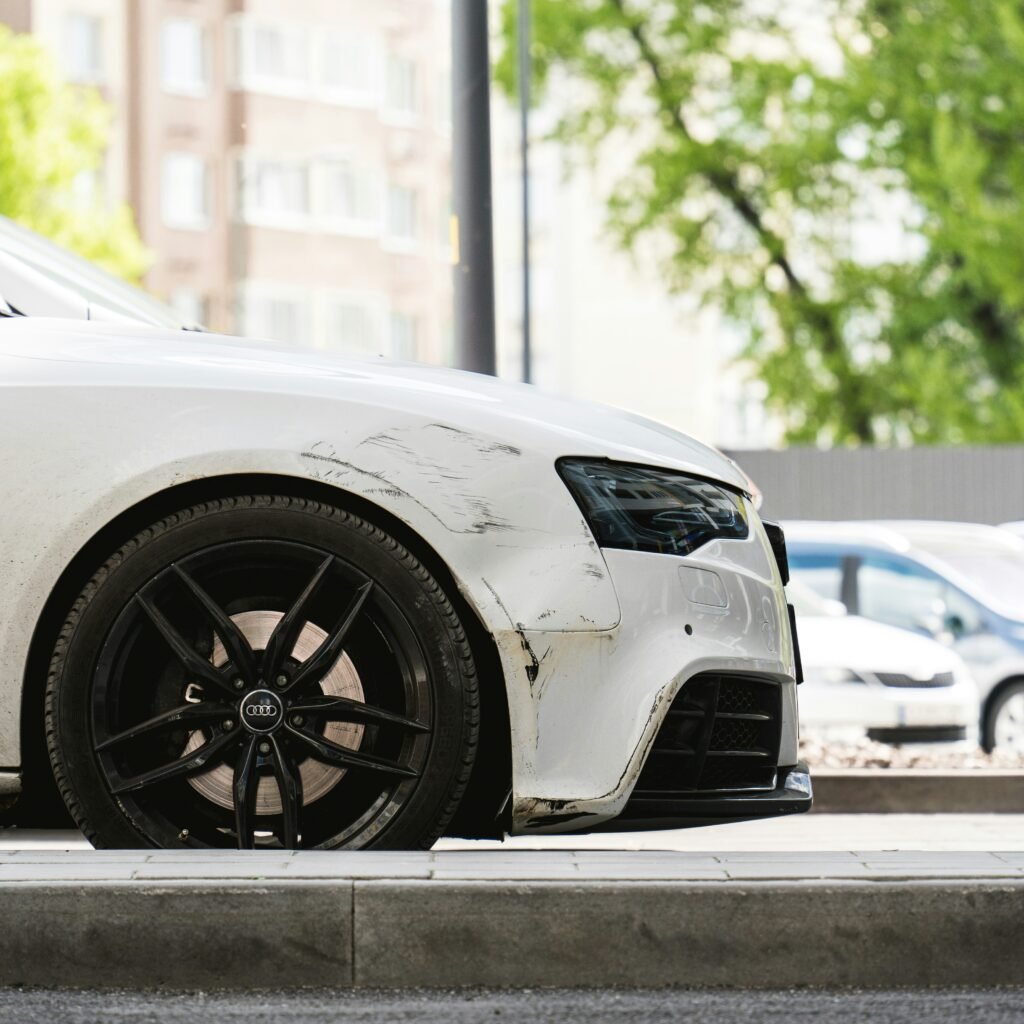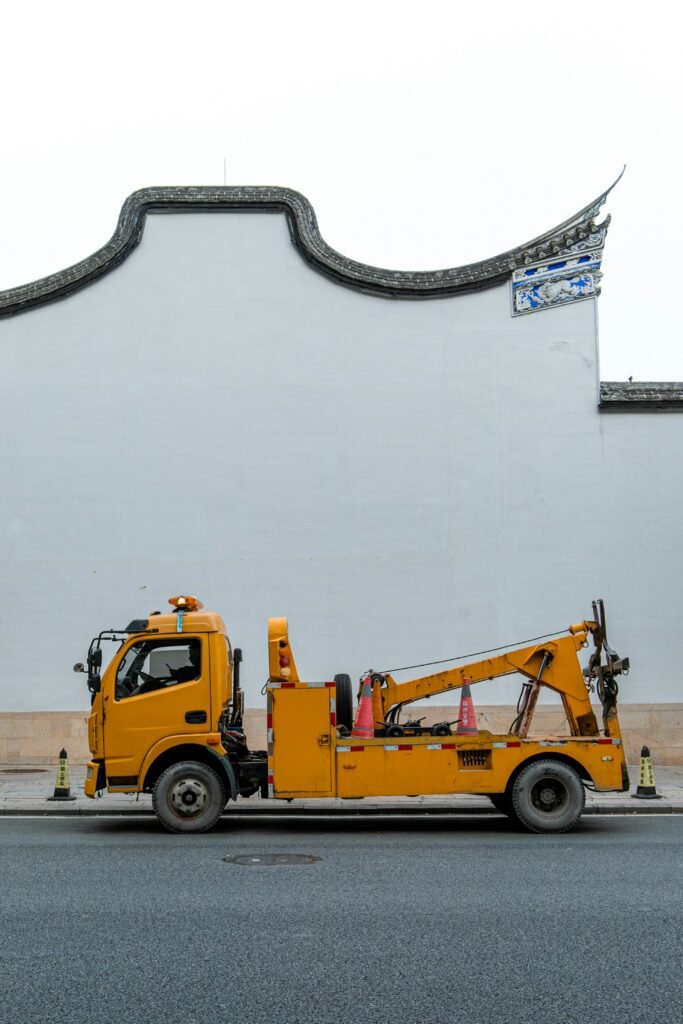

Modified cars often need extra attention when they are moved on a tow truck. A lowered sports car, a vehicle with an aftermarket body kit or a car fitted with a front splitter may not have the ground clearance of a standard factory vehicle. Even routine loading can become difficult if the equipment is not suitable.
For Calgary drivers who have invested in a modified vehicle, understanding the towing process can help prevent avoidable damage to bumpers, side skirts, underbody components and custom bodywork.
This guide explains what to tell a towing provider, which loading considerations matter and how to prepare a modified car for transport.
Why Modified Cars Can Be More Difficult to Tow
A standard vehicle may have enough clearance to move onto a conventional flatbed without difficulty. Modifications can change how the vehicle approaches the loading ramp, where the truck’s equipment makes contact and how the car must be secured.
Common examples include:
- Lowered suspension: Reduces the space between the vehicle’s underside and the ground.
- Front splitters and spoilers: Can sit close to the road and may scrape against a steep loading ramp.
- Side skirts: Extend along the lower sides of the car and can be vulnerable during loading.
- Wide-body kits: May increase the vehicle’s overall width and affect how it fits on the transport platform.
- Aftermarket wheels and tyres: Can change vehicle dimensions and affect clearance around loading equipment.
- Air suspension: May allow the vehicle’s ride height to change, requiring specific preparation before loading.
The important point is that a modified car should not automatically be treated like a standard vehicle. The towing operator needs to understand the modifications before selecting the equipment and loading method.
What Is the Best Towing Method for a Lowered Car?
A flatbed tow truck is often a suitable option for transporting a lowered or modified car because the vehicle can be carried on a platform. However, the loading angle and securing method still matter.
Flatbed towing with a low loading angle
The platform must be positioned so the vehicle can be loaded without its front bumper, splitter or underside contacting the ramp.
Depending on the vehicle, suitable equipment may include extended ramps, a low-angle loading system or other specialist arrangements. The operator should assess the available ground clearance rather than assuming a standard ramp will work.
The U-Haul guide to transporting vehicles with low ground clearance explains why loading angles and clearance need careful consideration.
Wheel-lift towing
Wheel-lift equipment raises one end of a vehicle while the other end remains on the road. This method may be unsuitable for some lowered cars because of limited clearance, bodywork extensions or the position of the lifting equipment.
It should only be used when the vehicle’s design, modifications and manufacturer’s towing instructions allow it. Tell the provider about any aftermarket parts before agreeing to this method.
Transporting vehicles that cannot move under their own power
A modified car may also have a mechanical fault, a flat tyre or another issue that prevents it from being driven onto the platform.
In that situation, the operator needs to know whether the wheels roll, the steering works and the vehicle can be moved safely. A winch or additional loading equipment may be required, depending on the circumstances.
Never assume that a non-running vehicle can be loaded in the same way as a working car.
What Information Should You Give the Towing Company?
The more accurately you describe the vehicle, the easier it is to determine whether the available equipment is appropriate.
Before booking, explain the following details.
1. How low the car sits
If you know the approximate ground clearance, provide it. Mention whether the vehicle has adjustable air suspension or a fixed lowered setup.
If you do not know the measurement, clear photographs showing the distance between the ground and the lowest parts of the car can still help the operator assess the situation.
2. Which body modifications are fitted
Mention front splitters, side skirts, aftermarket bumpers, diffusers and other parts that extend below or beyond the original bodywork.
These details matter because some components are more vulnerable to contact with ramps or loading equipment than the vehicle’s standard body panels.
3. Whether the vehicle runs and rolls
Tell the provider whether the car starts, steers, brakes and rolls freely. If a wheel is locked or damaged, explain that before the truck arrives.
This helps the operator plan how to position and load the vehicle.
4. The collection location
A modified car in an open driveway may be easier to access than one inside a low-ceiling underground garage or parked tightly between other vehicles.
Provide details about the entrance, available space, slope and any height restrictions. If possible, send photographs of the vehicle and its surroundings.
5. Any manufacturer transport instructions
Some vehicles have specific towing points, procedures for releasing the parking brake or instructions for transporting particular drivetrains.
If your car has a specialist owner’s manual or modification-related instructions, make them available before loading.
How to Prepare a Modified Car Before Towing
A little preparation can help the operator avoid unnecessary contact with vulnerable parts.
Photograph the vehicle
Take pictures of the front bumper, rear bumper, side skirts, wheels and any existing damage. Include close-ups of fragile aftermarket components.
These photographs create a useful record of the vehicle’s condition before transport.
Remove loose accessories
Remove loose items and detachable accessories that could fall off or be damaged during loading. If a body component is already loose, tell the operator rather than attempting an unsafe repair at the collection point.
Do not remove fitted components unless you know how to do so safely and the work is appropriate for you.
Make the vehicle accessible
Move other vehicles or objects out of the way if it is safe to do so. Confirm that the tow truck has enough room to position its platform and loading equipment.
If the vehicle is in a restricted garage, check the access height before booking.
Explain special starting or suspension procedures
If your car has air suspension, an electronic parking brake or a special procedure for transport, tell the operator. Follow the manufacturer’s instructions where applicable.
Do not assume that lowering the suspension to its lowest setting is helpful. The correct position depends on the vehicle and the loading equipment.
What Happens During Loading?
Loading is often the most important stage when transporting a modified car.
The operator should assess the vehicle’s clearance and the platform’s position before moving it. If the approach angle looks too steep, the loading arrangement may need to be adjusted before proceeding.
During loading, keep these points in mind:
- The vehicle should approach the platform slowly and under control.
- The ramp angle should be appropriate for the car’s ground clearance.
- The operator should avoid contact between loading equipment and fragile bodywork.
- Suitable securing points and methods should be used.
- The car should be secured in accordance with the equipment and vehicle requirements.
If you notice a potential clearance problem, raise it before loading begins. Do not stand in the path of the vehicle, beneath the platform or near winch cables while the operator is working.
How to Protect Aftermarket Bodywork During Transport
Custom bodywork can be expensive to repair, particularly when components are painted, made from composite materials or fitted specifically to the vehicle.
The safest approach is to identify vulnerable parts before the car is moved.
Front splitters and lips: Explain how far they extend and how close they sit to the ground. The loading angle should account for this clearance.
Side skirts: Point out any low or fragile sections that could be affected by positioning or securing equipment.
Rear diffusers and exhaust components: Mention any parts that extend below the rear of the vehicle, especially if the car has a modified exhaust.
Custom wheels: Explain any unusual wheel or tyre dimensions and ask the operator to use an appropriate securing method.
Paintwork and custom finishes: Photograph existing scratches and chips before collection. Tell the operator about any delicate external components.
Do not direct the operator to attach straps or chains to an arbitrary part of the vehicle. The securing method should be appropriate for the car and the equipment.
What If Your Modified Car Is Stuck in a Garage?
A lowered car inside an underground car park can present two separate challenges: the tow truck must be able to access the location, and the vehicle must be loaded without damaging its underside.
Before requesting service, provide the entrance height, ramp gradient and available manoeuvring space if you know them. Photographs of the entrance and the parked vehicle can help clarify the situation.
Do not assume that a large flatbed can enter every underground garage. The provider may need to assess whether the vehicle can be safely moved to an accessible collection point or whether a different approach is required.
If the car is immobilised, explain that as well. A vehicle that cannot roll may need a different loading plan from one that can be driven.
How Much Does It Cost to Tow a Modified Car in Calgary?
The price depends on the distance, vehicle condition, access and equipment required. A modified vehicle may need additional preparation or specialist loading equipment, but the cost cannot be determined accurately from the modifications alone.
Factors that may affect the quote include:
- The distance between the collection and delivery locations.
- The vehicle’s size, weight and ground clearance.
- Whether the car can roll and steer.
- The type of loading equipment required.
- Access restrictions at the collection point.
- Any additional work needed to position or load the vehicle.
Explain the modifications when requesting a quote, and provide photographs if possible. Ask for a written estimate and clarify whether any additional equipment or loading charges are included.
Alberta’s Vehicle Towing and Storage Regulation sets out requirements for covered towing services, including written estimates of towing and storage costs before towing begins. Review the estimate and confirm the agreed destination before the job proceeds.
Checklist: Before Booking a Tow for a Modified Car
Use this checklist before arranging transport:
- Explain the vehicle’s modifications and approximate ground clearance.
- Identify low front splitters, side skirts and rear diffusers.
- Confirm whether the car starts, steers and rolls.
- Provide photographs of the vehicle and its surroundings.
- Explain any garage height or access restrictions.
- Discuss suitable loading equipment with the operator.
- Confirm the vehicle’s recommended towing procedure.
- Photograph existing damage before collection.
- Review the written estimate and agree on the destination.
- Keep fragile accessories and loose items secure.
Frequently Asked Questions
Can a lowered car be towed in Calgary?
Yes, many lowered cars can be transported, provided the operator has suitable equipment and a safe loading plan. Ground clearance, bodywork and the vehicle’s condition determine which method is appropriate.
Is a flatbed always the best option for a modified car?
A flatbed is often a suitable choice, but not every flatbed has the same loading angle or equipment. The operator should assess the vehicle and confirm that the platform can be used without causing damage.
Should I tell the towing company about a body kit?
Yes. Tell the provider about aftermarket bumpers, splitters, side skirts and other parts that extend below or beyond the original bodywork. This information can affect the equipment and loading method.
Can a modified car be towed if it does not start?
Often, yes. The operator needs to know whether the vehicle rolls, steers and has functioning brakes. If the wheels are locked or the vehicle cannot move freely, additional loading equipment may be necessary.
Can a tow truck collect a lowered car from an underground garage?
It depends on the garage’s height, ramp angle, available space and the equipment required. Share the access details before booking so the provider can assess whether collection is feasible.
What should I do if I am worried about damage during loading?
Explain your concerns before the vehicle is moved, point out vulnerable components and photograph the car’s condition. Ask the operator to confirm the loading plan before proceeding.
Arrange Modified Vehicle Towing with ARM Towing
A modified vehicle deserves a transport plan that accounts for its dimensions, ground clearance and aftermarket parts. Providing accurate information before collection helps the towing operator assess the job and choose suitable equipment.
Visit ARM Towing to enquire about your towing requirements in Calgary. Explain the vehicle’s modifications, share photographs and confirm whether the appropriate equipment is available before arranging collection.
The key is simple: describe the car accurately, confirm the loading plan and never assume that standard towing equipment will suit every modification.

Moussa El Haddaoui is a digital content creator, web developer, and SEO specialist with a background in English Studies. He writes engaging, informative content and builds websites focused on user experience, search visibility, and quality. His interests include web development, AI automation, digital marketing, and creating useful online experiences.