Towing a car requires more than simply attaching it to a tow truck. Certain vehicle settings and mechanical conditions can affect how safely it can be transported. One common concern is the parking brake, which prevents a vehicle from moving when parked.
But what happens if a car is towed while its parking brake is still engaged?
The answer depends on the vehicle, the type of towing equipment and whether the wheels affected by the parking brake are rolling during transport. Towing a vehicle without releasing the parking brake can cause damage, particularly if the wheels are forced to move.
In this guide, we’ll explain what can happen when a car is towed with the parking brake on, how to recognise potential damage and what Calgary drivers should know before arranging a tow.
Quick Answer: Can You Tow a Car With the Parking Brake On?
In most situations, you should release the parking brake before towing a vehicle if it is safe and possible to do so.
If the parking brake remains engaged while the wheels it controls are rolling, it can cause:
- Excessive friction and heat
- Damage to brake components
- Tyre dragging or uneven wear
- Difficulty moving the vehicle
- Potential damage to the parking brake mechanism
However, the risk depends on how the vehicle is being transported. A car carried entirely on a flatbed, for example, does not have its road wheels rolling during transport.
If the parking brake cannot be released, inform the towing operator before the vehicle is moved.
1. What Does the Parking Brake Actually Do?
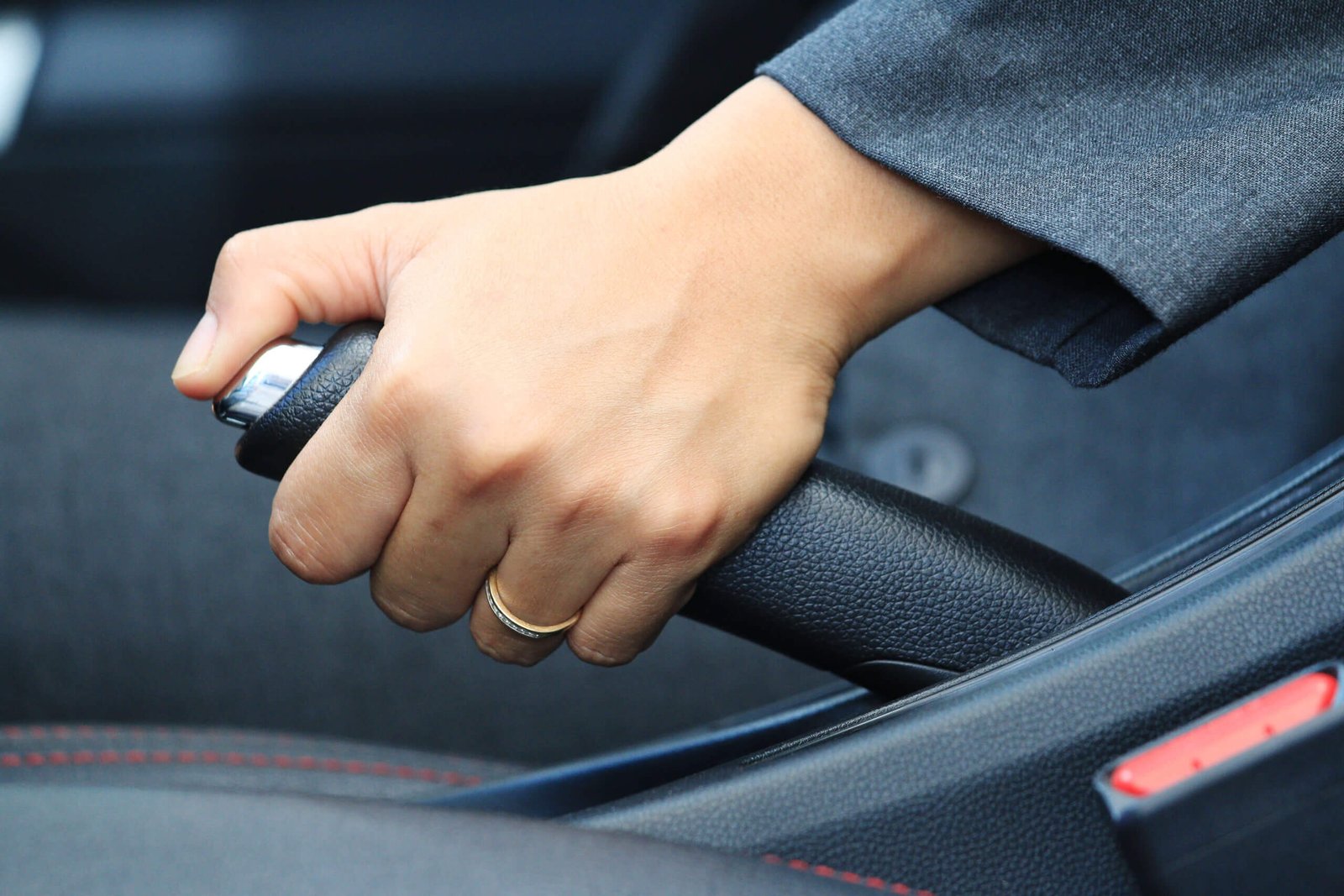
The parking brake, sometimes called the handbrake or emergency brake, helps keep a vehicle stationary when parked.
Depending on the vehicle, it may operate through cables connected to the rear brakes or through an electronic parking brake system.
When engaged, the parking brake prevents the wheels it controls from rotating freely. This is useful when parking on a hill or preventing unwanted movement.
However, towing requires the wheels to move or the vehicle to be carried using suitable equipment. If the parking brake remains engaged while the affected wheels are forced to rotate, the braking components may experience unnecessary stress.
2. What Happens When a Car Is Towed With the Parking Brake On?
The consequences depend on the towing method and the vehicle’s braking system.
The Brakes Can Overheat
If the wheels controlled by the parking brake are dragged along the road, friction can generate heat.
Excessive heat may damage brake components, particularly if the vehicle is moved over a significant distance.
You may notice a burning smell or unusual noises after the incident. However, damage is not always immediately obvious.
The Brake Components Can Wear Out
Moving a vehicle with its parking brake engaged can cause unnecessary friction between braking surfaces.
Depending on the vehicle and the circumstances, this may lead to premature wear or damage to brake pads, shoes, discs or drums.
The longer the vehicle is dragged, the greater the potential for damage.
The Tyres May Drag or Become Damaged
If the parking brake prevents the wheels from rotating, the tyres may slide instead of rolling normally.
Dragging a vehicle with locked wheels can damage the tyre tread and may create additional stress on the vehicle.
This is particularly concerning when the vehicle is moved over a long distance or across rough surfaces.
The Parking Brake Mechanism May Be Damaged
Forcing a vehicle to move while the parking brake is engaged may place unnecessary strain on its components.
Depending on the system, this could affect the cables, brake mechanisms or electronic components.
If the parking brake was already faulty, towing may make the problem more difficult to diagnose.
3. Does It Matter Whether the Car Is Towed on a Flatbed?
Yes. The towing method makes a significant difference.
Flatbed Towing
With flatbed towing, the entire vehicle is lifted onto the truck’s platform. Its road wheels do not need to rotate during transport.
This can reduce the risk associated with an engaged parking brake because the vehicle is carried rather than dragged along the road.
However, the parking brake may still need to be released to load or unload the vehicle safely. The towing operator must follow the appropriate procedure for the vehicle.
If the parking brake is stuck or cannot be released, tell the operator before loading.
Wheel-Lift Towing
Wheel-lift towing raises one end of the vehicle while the other end remains on the road.
If the parking brake controls the wheels that remain on the road, those wheels may be unable to rotate freely.
This can cause dragging and potential damage. The towing operator must consider the vehicle’s drivetrain, parking brake and manufacturer’s towing instructions.
Dolly Towing
A towing dolly supports one end of the vehicle while the other end remains on the road.
Whether this method is suitable depends on the vehicle’s drivetrain and the wheels being supported.
If the wheels controlled by the parking brake remain on the road, an engaged brake can create problems.
Always tell the towing operator if the parking brake cannot be released.
4. What If Your Electronic Parking Brake Is Stuck?
Many modern vehicles use electronic parking brakes instead of traditional handbrakes.
These systems are operated using a button or switch and may rely on electrical components to engage and release the brakes.
If the battery is dead or the system develops a fault, you may be unable to release the parking brake normally.
In this situation, do not attempt to force the vehicle to move.
Instead:
- Check your owner’s manual for the manufacturer’s instructions.
- Tell the towing operator that the electronic parking brake is stuck.
- Explain whether the battery is completely dead.
- Allow the operator to determine the appropriate recovery method.
Some vehicles have specific procedures for releasing the electronic parking brake, but these vary by model.
A suitable towing method may be necessary if the brake cannot be released.
5. What If You Accidentally Towed Your Car With the Parking Brake On?
If you discover that your vehicle was moved with the parking brake engaged, do not panic. The amount of damage depends on how far it was moved, the speed and the towing method.
If the vehicle was transported on a flatbed with all its wheels off the ground, the risk of damage from the wheels being locked is generally lower.
If the wheels were dragged along the road, have the brakes and tyres inspected.
Look out for the following warning signs:
- A burning smell from the brakes
- Unusual grinding or scraping noises
- Difficulty releasing the parking brake
- A vehicle that struggles to move
- Uneven tyre wear or visible tyre damage
- A brake warning light that remains illuminated
If you notice any of these symptoms, avoid driving until the vehicle has been checked by a qualified mechanic.
6. How to Prepare Your Car Before Towing
Before your vehicle is towed, take a few steps to help prevent unnecessary problems.
Tell the Towing Operator About Any Brake Problems
If the parking brake is stuck, damaged or will not release, explain this before the vehicle is moved.
The operator needs to know about any condition that could affect the towing process.
Check Your Vehicle’s Owner’s Manual
Your owner’s manual contains important information about towing your particular vehicle.
Some cars have specific requirements for towing, especially those with automatic transmissions, all-wheel drive or electronic parking brakes.
Follow the manufacturer’s instructions rather than assuming that every vehicle can be towed in the same way.
Make Sure the Vehicle Is Properly Secured
The towing operator should use appropriate equipment and secure the vehicle according to the manufacturer’s guidance and the towing method.
If you notice anything unusual during loading, ask the operator to explain the procedure before transport continues.
Do Not Force a Stuck Parking Brake
If the parking brake will not release, do not try to drag the vehicle to free it.
Forcing the wheels to move may cause additional damage. Let the towing operator assess the situation.
7. Why Calgary Drivers Should Pay Attention to Parking Brakes During Winter
Cold weather can make vehicle problems more complicated. In Calgary, freezing temperatures and snow can affect parked vehicles and their braking systems.
Moisture, ice and cold conditions can sometimes contribute to a parking brake becoming difficult to release.
If your vehicle has been parked outside in freezing weather and the parking brake will not release, avoid forcing it.
Check the owner’s manual and seek professional assistance if necessary.
If the vehicle needs to be recovered, tell the towing operator that the parking brake may be frozen or stuck.
You can also read our guide on what to do when your car gets stuck in snow in Calgary for more winter recovery advice.
8. When Should You Call a Tow Truck?
You may need towing assistance if:
- The parking brake is stuck and the vehicle cannot move.
- The brakes are damaged or making unusual noises.
- The vehicle has been involved in an accident.
- You cannot safely release the parking brake.
- The vehicle needs to be transported to a repair shop.
- The manufacturer’s towing instructions require a particular recovery method.
When requesting help, explain the problem and provide your vehicle’s make, model and location.
If the vehicle has an electronic parking brake, mention that as well. This information can help the towing operator prepare the appropriate equipment.
For assistance with a vehicle that cannot be moved safely, you can contact ARM Towing about towing services in Calgary.
9. Common Mistakes to Avoid
A few common mistakes can increase the risk of damage during towing.
Dragging a vehicle with locked wheels: This can damage tyres and braking components. Never assume that a vehicle can be dragged safely just because it is in neutral.
Ignoring an electronic parking brake fault: A faulty system may prevent the vehicle from being moved safely. Inform the towing operator before attempting recovery.
Using an unsuitable towing method: Not every vehicle can be safely towed with the same equipment. Consider the drivetrain, parking brake and manufacturer’s instructions.
Forcing the vehicle to move: If the parking brake is stuck, dragging the car may cause further damage.
Failing to report previous damage: If the parking brake was already faulty, let the towing operator know before the vehicle is loaded.
Frequently Asked Questions
Can a car be towed with the handbrake on?
It depends on the towing method. A vehicle carried entirely on a flatbed may be transported without its wheels rotating. However, if the wheels controlled by the parking brake are dragged along the road, damage may occur.
Can towing with the parking brake on damage the brakes?
Yes. If the affected wheels are forced to rotate while the brake is engaged, friction can generate heat and cause excessive wear or damage to brake components.
Can a car be towed with an electronic parking brake engaged?
It may be possible using suitable recovery equipment, but the correct method depends on the vehicle. Always inform the towing operator if the electronic parking brake cannot be released.
Is flatbed towing safer for a car with a stuck parking brake?
A flatbed can reduce the risk of damage from locked wheels because the vehicle is carried rather than dragged. However, loading and unloading still require an appropriate procedure.
What should I do if my parking brake will not release?
Check your owner’s manual for the correct procedure. If the brake remains stuck, do not force the vehicle to move. Contact a qualified mechanic or towing service.
Can a frozen parking brake cause towing problems?
Yes. In cold weather, a parking brake may become difficult to release. If you suspect it is frozen, tell the towing operator and avoid dragging the vehicle.
How do I know if towing damaged my parking brake?
Warning signs include unusual noises, difficulty releasing the brake, a burning smell or a brake warning light. Have the vehicle inspected if you notice any of these symptoms.
Final Thoughts
Towing a vehicle with the parking brake engaged can cause unnecessary damage if the affected wheels are forced to rotate. The risks depend on the vehicle, the towing method and the distance travelled.
Before arranging a tow, make sure the operator knows whether the parking brake is engaged, stuck or damaged. If it cannot be released, the operator can determine a suitable recovery method.
For Calgary drivers, understanding how the parking brake affects towing can help prevent avoidable damage and make vehicle recovery safer.

Moussa El Haddaoui is a digital content creator, web developer, and SEO specialist with a background in English Studies. He writes engaging, informative content and builds websites focused on user experience, search visibility, and quality. His interests include web development, AI automation, digital marketing, and creating useful online experiences.