
A car that starts and moves under its own power may seem perfectly capable of getting home or reaching a repair shop.
But being able to drive does not always mean that driving is safe.
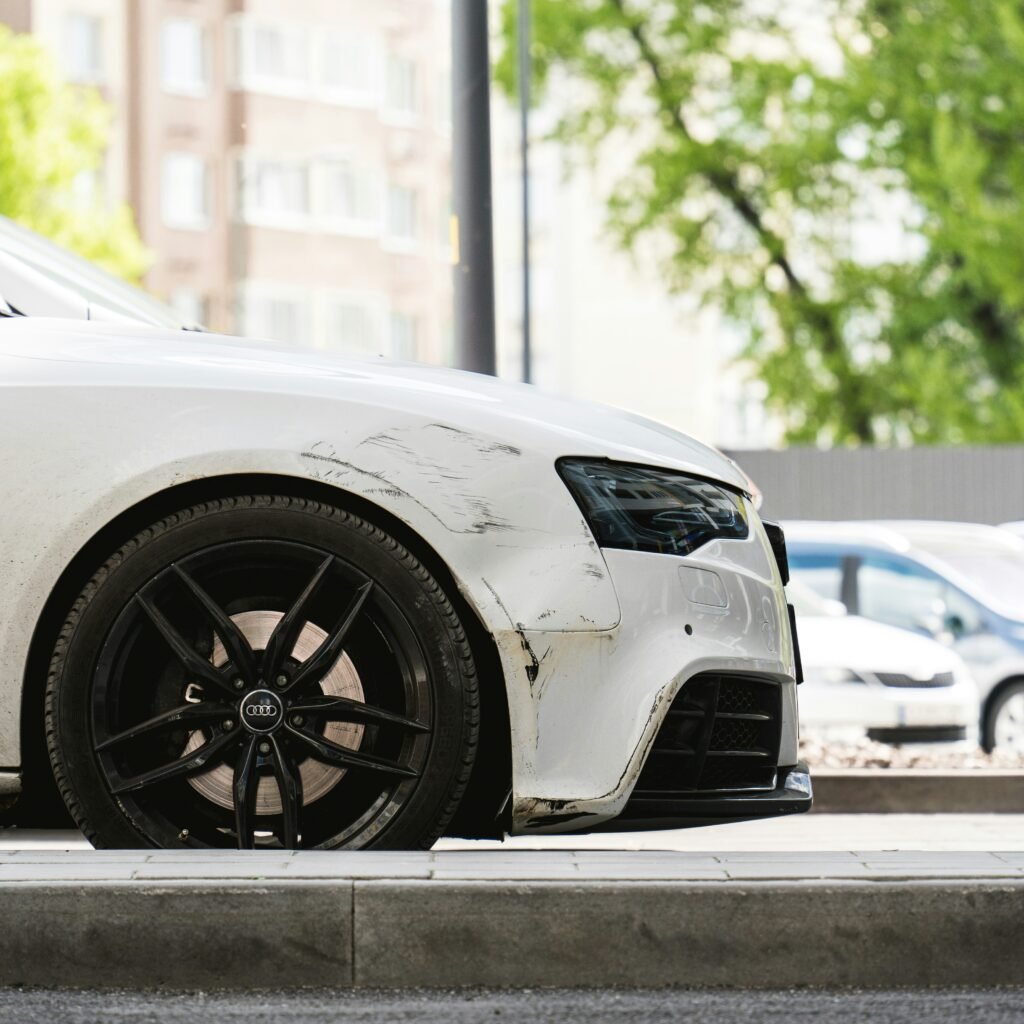
A vehicle can have hidden steering, suspension, brake, tyre, wheel or drivetrain damage while still appearing to run normally. After a collision or serious road incident, continuing to drive can sometimes turn a manageable repair into a much larger problem.
For Calgary drivers, this is especially important during winter, when snow, ice, potholes and reduced visibility can make an already damaged vehicle harder to control.
This guide explains when a vehicle that still drives may need professional towing and how to decide whether it is safer to call for assistance.
Quick Checklist: Does Your Drivable Car Need a Tow?
Consider arranging a tow if you notice:
- Steering that feels different from normal
- A vehicle pulling strongly to one side
- A damaged or bent wheel
- A tyre with sidewall damage
- Fluid leaking underneath the vehicle
- Strange grinding, knocking or scraping sounds
- Brake problems
- Suspension damage
- Warning lights appearing after an impact
- Airbags that have deployed
- A damaged bumper or body panel that could come loose
- Difficulty keeping the vehicle straight
- A burning smell
- Severe vibration at normal speeds
- Damage underneath the vehicle
If you are unsure whether the vehicle is safe to drive, stopping and having it assessed is usually safer than testing it on the road.
Why a Car Can Still Drive After Being Damaged
Modern vehicles are made up of many systems that work independently.
The engine may continue running even if the steering, suspension or braking system has suffered damage.
For example, imagine hitting a pothole hard enough to damage a wheel. The engine and transmission may work perfectly, and the car may move forward when you press the accelerator.
That does not necessarily mean the vehicle is safe to drive.
The same applies after a collision. A car can look relatively normal from a distance while having damage that is not immediately obvious.
1. Your Steering Feels Different
One of the clearest reasons to stop driving is a sudden change in steering.
Pay attention if:
- The steering wheel is no longer centred
- The vehicle pulls to one side
- The steering feels unusually loose
- The steering wheel shakes
- The vehicle does not respond normally to steering input
These symptoms can be associated with problems involving the wheels, tyres, steering components, alignment or suspension.
Driving farther simply because the vehicle still moves can be risky.
A tow truck can move the vehicle without requiring you to test the damaged system on the road.
2. Your Wheel or Tyre Is Damaged
A damaged tyre is another reason to think twice before driving.
A tyre may have:
- A puncture
- Sidewall damage
- A visible bulge
- Severe loss of pressure
- Uneven damage after an impact
The wheel itself can also become bent or cracked.
Even if the tyre still holds enough air for the vehicle to move, the combination of tyre and wheel damage can affect how the vehicle handles.
If the damage is serious, towing the vehicle to a tyre shop or repair facility may be safer than driving there.
3. The Vehicle Was Involved in a Collision
After an accident, drivers sometimes think:
“The car still starts, so I can drive it home.”
That is not always a good assumption.
A collision can affect components behind the visible bodywork.
Potentially affected areas include:
- Steering
- Suspension
- Brakes
- Wheels
- Tyres
- Cooling systems
- Exhaust components
- Electrical systems
- Sensors
- Body structure
If the vehicle has suffered a significant impact, professional towing can allow it to be inspected without putting additional kilometres on a potentially damaged vehicle.
Alberta also notes that some vehicles may need to be towed to a repair facility when they are determined to be unsafe.
4. Your Airbags Have Deployed
Airbag deployment is a major warning sign after a collision.
Even if the engine starts and the vehicle moves, deployed airbags mean the vehicle has experienced an impact significant enough to activate its restraint system.
You may also have:
- Damaged seat belts
- Steering-wheel damage
- Dashboard damage
- Sensor damage
- Electrical faults
- Structural damage
Instead of driving the vehicle to a repair shop yourself, arrange appropriate accident recovery and have the vehicle professionally assessed.
5. There Is Fluid Under the Vehicle
A small puddle under a vehicle is not something to ignore.
Depending on the fluid and its location, it could be:
- Engine oil
- Coolant
- Brake fluid
- Transmission fluid
- Power-steering fluid on applicable vehicles
- Fuel
Some leaks are minor, while others can make the vehicle unsafe to operate.
If the leak appeared immediately after an accident or impact, do not assume it is harmless.
A tow operator can help move the vehicle while avoiding unnecessary driving.
6. Your Brakes Do Not Feel Normal
Brake problems should be treated seriously.
Do not continue driving if you notice:
- A soft or sinking brake pedal
- Unusual grinding
- Severe vibration during braking
- The vehicle pulling when braking
- A brake warning light
- Reduced braking performance
- A strong burning smell near a wheel
A vehicle can still move with a braking problem, but that does not make it safe.
If braking performance has changed significantly, arrange professional assistance rather than trying to reach a garage under your own power.
7. Your Suspension Has Been Damaged
Calgary roads can be hard on wheels and suspension components.
A severe pothole or road impact can affect:
- Control arms
- Ball joints
- Tie rods
- Shock absorbers
- Struts
- Springs
- Wheel bearings
- Other suspension components
Some damage is obvious. Other problems may only become noticeable when the vehicle moves.
If the vehicle sits unusually low, one wheel looks out of position, or you hear severe knocking after an impact, consider towing it rather than driving.
8. Your Vehicle Is Vibrating
A new vibration should not automatically be dismissed.
The cause could be something relatively simple, such as a wheel imbalance, but a severe vibration after an impact could also indicate wheel, tyre, suspension or drivetrain damage.
Ask yourself:
Did the vibration start after hitting something?
If yes, it is worth having the vehicle inspected before continuing to drive long distances.
9. A Warning Light Appears After an Impact
A warning light appearing immediately after an accident or major impact deserves attention.
Depending on the warning, it could relate to:
- Engine systems
- Braking
- Stability control
- Airbags
- Tyre pressure
- Electrical systems
- Other vehicle systems
Not every warning light means the vehicle needs to be towed.
However, when a warning appears alongside unusual noises, leaks, steering problems or visible damage, driving should not be treated as the default option.
10. Your Vehicle Is Stuck in Snow but Still Runs
This is one of the situations where a vehicle can be completely functional but still require recovery.
The engine may run normally while the tyres are buried in snow.
Repeatedly accelerating can spin the tyres and dig them deeper.
Alberta recommends carrying winter recovery items such as a shovel and traction material including sand, road salt or non-clumping kitty litter.
If basic recovery attempts do not work, professional towing or vehicle recovery may be the safer solution.
When Driving a Short Distance May Not Be the Same as Driving Safely
Drivers sometimes think:
“I only need to drive five minutes.”
Distance does not remove the risk.
A damaged steering component can fail during a short trip. A tyre can lose pressure. A fluid leak can become worse. A damaged wheel can affect vehicle control.
The question should not simply be:
“Can the car move?”
Instead, ask:
“Can the car move safely?”
If you cannot confidently answer that question, professional assistance is worth considering.
What About Driving to the Nearest Garage?
If a vehicle has only a minor issue and is clearly safe to drive, taking it to a nearby repair shop may be reasonable.
But if the vehicle has suffered collision or mechanical damage, towing removes the need to drive a potentially unsafe vehicle through traffic.
A professional can also advise on the most appropriate towing method based on the vehicle’s condition.
Flatbed Towing vs Other Towing Methods
Not every vehicle needs to be transported in exactly the same way.
The towing method can depend on:
- Vehicle type
- Drive system
- Wheel condition
- Steering condition
- Suspension damage
- Transmission requirements
- Accident damage
- Whether the vehicle can roll normally
A vehicle with severe wheel or suspension damage may require equipment that keeps the affected wheels from being dragged along the road.
A flatbed can also be useful when the vehicle needs to be transported with all four wheels off the ground.
The important point is that towing should be matched to the vehicle rather than assuming that one method works for every situation.
AWD and 4×4 Vehicles Need Extra Attention
All-wheel-drive and four-wheel-drive vehicles can have specific towing requirements.
The correct towing procedure can depend on the manufacturer’s instructions and the vehicle’s drivetrain.
If you are unsure, tell the tow operator that the vehicle is AWD or 4×4 before assistance is arranged.
This gives the operator important information when determining how the vehicle should be transported.
Electric Vehicles Can Also Need Special Consideration
Electric vehicles do not use conventional petrol or diesel powertrains, and their towing requirements can differ between models.
A damaged EV may also have high-voltage components that should not be handled casually after a collision.
If an electric vehicle has been involved in an accident or has significant underbody, wheel or drivetrain damage, tell the towing company that it is an EV.
The vehicle’s manufacturer instructions should also be considered when determining the appropriate recovery method.
What to Tell the Tow Truck Operator
When requesting assistance, provide as much useful information as possible.
Tell them:
- Your vehicle’s make and model
- Whether it is AWD, 4×4, FWD or RWD if known
- Whether the vehicle starts
- Whether it can roll
- Whether it can steer
- Whether the tyres are inflated
- Whether there is visible damage
- Whether airbags deployed
- Whether the vehicle was involved in a collision
- Your exact location
- Whether the vehicle is in a garage, parking lot, roadside or driveway
This helps the operator understand the situation before arriving.
Calgary Winter Makes Small Problems Bigger
A vehicle with minor damage may be manageable on a dry summer road but much more difficult to control on snow or ice.
Winter conditions can reduce traction and increase stopping distances. Alberta recommends preparing vehicles for winter by checking tyres, batteries, brakes, antifreeze, heaters and other important components.
If your vehicle has already developed a steering, braking or tyre problem, winter conditions are an additional reason to avoid unnecessary driving.
Stay Safe While Waiting for a Tow Truck
If you are stopped on or near a roadway, make your location as safe as possible.
Use hazard lights where appropriate and stay aware of surrounding traffic.
Alberta’s roadside-worker rules require drivers approaching stopped vehicles with flashing lights to move over when safe, or slow to at least 60 km/h or the posted speed limit, whichever is lower, when moving over is not possible.
This is important not only for tow operators but also for you and other people at the scene.
If the situation involves an immediate threat to someone’s life, health or safety, call 911 rather than relying only on roadside assistance.
What to Expect When Arranging a Tow in Alberta
Alberta’s Vehicle Towing and Storage Regulation introduced requirements for towing and storage businesses effective April 1, 2026.
For situations covered by the regulation, operators generally need consumer consent before towing and must provide a clear written estimate of towing and storage costs before the vehicle is towed. The rules also cover invoices, vehicle location information and access to personal belongings.
Some situations are exempt, including certain tows directed by law enforcement, municipalities, government authorities or private-property owners.
If you are arranging a tow yourself, asking for the applicable estimate and destination before the tow begins can help you understand the service.
When a Tow Is the Safer Choice
A tow is worth considering when the vehicle:
- Has collision damage
- Has steering problems
- Has serious brake problems
- Has a damaged wheel
- Has a severely damaged tyre
- Has major suspension damage
- Is leaking an unknown fluid
- Has deployed airbags
- Has severe vibration
- Is stuck deeply in snow
- Cannot be safely controlled
- Has an unknown problem after a significant impact
The vehicle does not need to be completely disabled before professional towing becomes useful.
How ARM Towing Can Help
If your vehicle still drives but you are not confident that it is safe to drive, ARM Towing can help arrange professional towing in Calgary.
When you contact ARM Towing, explain what happened and describe any symptoms or visible damage.
Whether the issue involves a collision, damaged wheel, winter recovery, mechanical problem or another roadside situation, providing accurate information helps determine the appropriate recovery approach.
The goal is simple: move the vehicle without unnecessarily putting you, other road users or the vehicle itself at risk.
Frequently Asked Questions
Can a car that still drives need a tow?
Yes. A vehicle may still start and move while having dangerous steering, brake, suspension, tyre, wheel or collision damage.
Should I drive my car after a collision if it still works?
Not automatically. If there is visible damage, unusual handling, fluid leakage, deployed airbags or other warning signs, professional assessment and towing may be safer.
Does a flat tyre always require towing?
No. A suitable spare tyre or professional tyre service may solve some situations. However, towing may be appropriate if the wheel is damaged, there is no usable spare or the vehicle cannot be safely driven.
Does AWD affect how a vehicle should be towed?
It can. AWD and 4×4 vehicles may have specific towing requirements, so tell the towing operator about the drivetrain before arranging recovery.
Can I tow a car with suspension damage?
The appropriate recovery method depends on the type and extent of damage. A vehicle with serious suspension or wheel damage may require specialised equipment rather than being simply pulled along the road.
Is a vehicle with deployed airbags safe to drive?
Airbag deployment should be treated as a serious sign that the vehicle needs assessment after a collision. Even if the engine still starts, other safety systems may also have been affected.
How do I know whether I should drive or call a tow truck?
If the vehicle’s steering, brakes, tyres, wheels or suspension do not feel normal, or if there is significant collision damage, calling for professional assistance is the safer approach than testing the vehicle on the road.
Final Thoughts
A vehicle does not have to be completely dead to need a tow.
Sometimes the most important reason for towing is precisely because the vehicle still appears capable of driving.
If something feels different after a collision, pothole impact, tyre failure or winter incident, do not judge the vehicle only by whether the engine starts.
Look at the bigger picture: can the vehicle steer, brake, handle and travel safely?
When the answer is uncertain, professional towing can help you avoid turning a questionable drive into a much bigger problem.
For Calgary drivers, ARM Towing can provide towing and roadside assistance when your vehicle needs to be moved safely.

Moussa El Haddaoui is a digital content creator, web developer, and SEO specialist with a background in English Studies. He writes engaging, informative content and builds websites focused on user experience, search visibility, and quality. His interests include web development, AI automation, digital marketing, and creating useful online experiences.