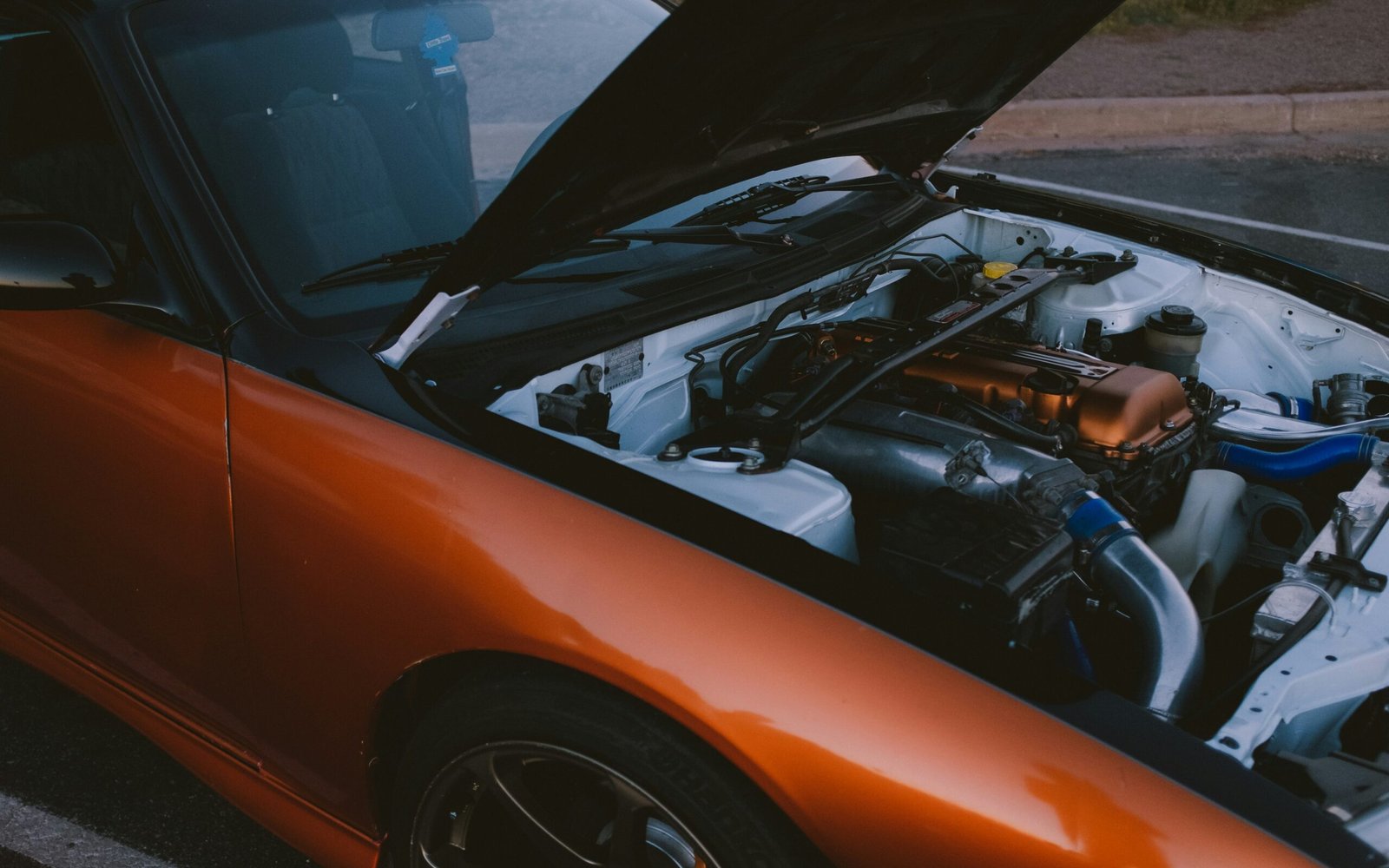
Imagine driving through Calgary traffic when you notice the temperature gauge climbing towards the red zone. Steam begins rising from beneath the bonnet, the engine warning light appears, or your car suddenly loses power.
You may be tempted to keep driving until you reach home or the nearest garage. However, continuing to drive an overheating vehicle can turn a manageable cooling-system problem into serious engine damage.
Whether you are travelling along Deerfoot Trail, Stoney Trail, Crowchild Trail or a local Calgary street, knowing how to respond can help you protect your vehicle and make a safer decision.
In this guide, ARM Towing explains the common causes of engine overheating, what to do when the temperature rises, when roadside assistance may help and when towing is the safest option.
Quick Checklist: What to Do If Your Car Overheats
If your engine temperature rises unexpectedly:
- Stay calm and pay attention to the temperature gauge and warning lights.
- Switch off the air conditioning if you can do so safely.
- Find a safe place to pull over without making sudden manoeuvres.
- Turn off the engine once safely stopped if it is overheating.
- Keep away from steam coming from beneath the bonnet.
- Never remove a hot radiator cap or coolant reservoir cap.
- Do not pour cold water over a hot engine.
- Wait for the engine to cool before any visual inspection.
- Call roadside assistance if the problem persists.
- Arrange a tow if the vehicle is unsafe to drive or the cause is uncertain.
Important: If the temperature gauge reaches the red zone, a warning instructs you to stop, or steam appears, pull over safely and switch off the engine. Do not continue driving to see whether the problem resolves itself.
1. How to Recognise an Overheating Engine
An overheating engine does not always produce visible steam. Sometimes the first warning appears on your dashboard.
Recognising the symptoms early can help you stop before further damage occurs.
The temperature gauge enters the red zone
Most vehicles have an engine temperature gauge. If the needle moves unusually high or enters the red zone, the engine may be overheating.
Do not ignore the gauge simply because the car still feels normal.
An engine temperature warning appears
Depending on your vehicle, you may see a temperature symbol, a coolant warning or a message such as “Engine Overheating”.
Check your owner’s manual to understand the specific warning for your model.
If the warning indicates overheating, stop safely and follow the manufacturer’s instructions.
Steam comes from beneath the bonnet
Steam may indicate that coolant is escaping or that the engine is extremely hot.
Do not stand directly over the bonnet or attempt to open the cooling system. Hot coolant and steam can cause serious burns.
You notice a sweet smell or visible fluid
Some coolant products have a distinctive sweet smell. You might also notice coloured fluid beneath the vehicle, although coolant colour varies by product.
A leak can reduce the cooling system’s ability to control engine temperature.
Do not touch unknown fluid or reach into the engine bay while the engine is hot.
The engine loses power
An overheating engine may run poorly or lose power. Some vehicles reduce engine performance to protect components.
If your vehicle begins losing power alongside a temperature warning, find a safe place to stop and arrange assistance.
2. Why Do Cars Overheat in Calgary?
Engine overheating can happen in different weather conditions. It is not limited to extremely hot summer days.
Several mechanical issues can cause the engine to run hotter than it should.
Low coolant levels
Coolant transfers heat away from the engine and helps regulate operating temperature.
A low level may result from a leak, a faulty component or an earlier maintenance problem.
If coolant keeps disappearing, simply topping it up will not identify or fix the underlying cause.
A coolant leak
Leaks can occur in hoses, the radiator, the water pump, the coolant reservoir or other parts of the cooling system.
You may notice a puddle, a warning light or repeated overheating.
If the leak is substantial or the engine temperature is rising, stop driving and arrange professional assistance.
A faulty thermostat
The thermostat helps regulate coolant flow through the engine.
If it fails to open correctly, coolant circulation may be restricted and the engine can overheat.
This is a mechanical problem that usually requires diagnosis and repair.
A damaged radiator
The radiator releases heat from the coolant. Damage, internal blockages or restricted airflow can reduce its effectiveness.
If your vehicle overheats repeatedly, a mechanic may need to inspect the radiator and the rest of the cooling system.
A failing water pump
The water pump circulates coolant through the system.
If it fails or cannot circulate coolant properly, engine temperatures can rise rapidly.
Do not assume that adding coolant will solve the problem if circulation is affected.
Cooling fan problems
Cooling fans help move air through the radiator, particularly when the vehicle is stationary or moving slowly.
A faulty fan can contribute to overheating in traffic, where natural airflow may be limited.
If the temperature rises while waiting at traffic lights but improves when moving, a cooling-system issue may be worth investigating. This symptom alone does not confirm the cause.
3. What Should You Do If Your Car Overheats in Calgary Traffic?
A rising temperature gauge can be stressful, particularly when you are surrounded by other vehicles.
Your priority is to stop safely without creating another road hazard.
Step 1: Reduce the engine load
If the temperature begins rising, switch off the air conditioning when safe to do so.
Avoid unnecessary acceleration and look for a safe place to pull over.
Do not continue driving for several kilometres just because the nearest garage appears close.
Step 2: Move away from traffic if possible
Use your indicators and move to a safe stopping location when you can do so without making a dangerous manoeuvre.
Avoid stopping in a live lane if there is a safe alternative.
If the vehicle stops in a dangerous position and creates an immediate threat, contact emergency services.
Step 3: Turn off the engine
Once safely stopped, switch off the engine if it is overheating.
Do not repeatedly restart the vehicle to see whether the warning disappears. Restarting may worsen the situation if the cooling system is not functioning correctly.
Step 4: Keep your distance from steam
If steam is coming from beneath the bonnet, stay clear until it has subsided.
Never remove a radiator cap or pressurised coolant reservoir cap while the system is hot. Hot coolant can escape violently.
Step 5: Decide whether assistance is needed
If the temperature warning appeared, steam was visible or the engine lost power, professional assistance is advisable.
A tow can take the vehicle to a repair facility without requiring you to drive an overheating engine.
For more help with unexpected vehicle problems, see ARM Towing’s roadside assistance guide for Calgary.
4. Can You Keep Driving an Overheating Car?
In general, you should not continue driving while the engine is actively overheating.
An engine depends on the cooling system to maintain a safe operating temperature. Excessive heat can damage seals, cylinder-head components and other expensive parts.
Continuing to drive may also leave you stranded in a more dangerous location.
When you should stop immediately
Pull over safely and switch off the engine if:
- The temperature gauge reaches the red zone.
- A critical engine temperature warning appears.
- Steam comes from beneath the bonnet.
- Coolant is leaking heavily.
- The engine loses power while overheating.
- You hear unusual mechanical noises alongside a temperature warning.
What if the temperature drops again?
A gauge returning to its normal position does not necessarily mean the problem has been fixed.
The engine may overheat again once you resume driving. A thermostat, fan, coolant leak or circulation issue could still be present.
If the vehicle has already overheated seriously, arrange an assessment before continuing your journey.
5. Should You Call Roadside Assistance or a Tow Truck?
The right option depends on the symptoms and the condition of the vehicle.
Roadside assistance may help when:
- You need help identifying the safest next step.
- The vehicle has stopped in an inconvenient location.
- A technician can assess the problem safely.
- You need help arranging transportation to a repair facility.
A roadside visit does not guarantee that the cooling system can be repaired at the roadside.
Towing is the better option when:
- The engine has overheated severely.
- Steam or a substantial coolant leak is present.
- The temperature warning returns after stopping.
- The vehicle loses power or runs abnormally.
- You suspect water-pump, radiator or other major cooling-system failure.
- You cannot confirm that the vehicle is safe to drive.
If you are unsure whether the vehicle can safely continue, towing is generally preferable to risking further engine damage.
You can also read ARM Towing’s guide to 24/7 towing in Calgary.
6. What If Your Car Overheats on Deerfoot Trail or Stoney Trail?
A breakdown on a busy route presents a different challenge from one in a residential street.
Traffic speed, limited stopping space and passing vehicles can make roadside inspection dangerous.
If your car overheats on a major Calgary road:
- Keep control of the vehicle and avoid sudden braking.
- Move to a safe stopping area if possible.
- Switch on your hazard lights when appropriate.
- Avoid standing beside the vehicle close to passing traffic.
- Contact emergency services if your vehicle creates an immediate danger.
- Provide your location, direction of travel and nearest exit or landmark when requesting assistance.
Do not attempt to walk along a busy highway to reach a service station.
If you cannot safely leave the vehicle, assess the immediate hazards and follow the advice of emergency responders or roadside professionals.
Alberta’s roadside worker safety guidance explains the requirements for drivers approaching stopped roadside vehicles with flashing lights.
7. What If Your Car Overheats in Winter?
It may seem unusual for a vehicle to overheat during a Calgary winter, but cold weather does not eliminate cooling-system problems.
The engine still generates heat, and it still depends on proper coolant circulation.
Winter conditions can also make a breakdown more uncomfortable and potentially hazardous.
Low coolant or incorrect coolant mixture
The cooling system must contain the correct coolant mixture for the vehicle and climate.
An incorrect mixture or a leak can affect system performance and freeze protection.
Use the coolant specification recommended by the manufacturer.
A blocked radiator or cooling problem
Mechanical faults can occur regardless of outside temperature.
If the engine temperature rises unexpectedly, treat it as an overheating problem even when the outside air is below freezing.
A breakdown in snow or poor visibility
If the vehicle becomes disabled in winter, stay aware of traffic and weather conditions.
Keep warm clothing and emergency supplies in your vehicle, and arrange help rather than attempting an unsafe repair on a slippery roadside.
For additional preparation advice, read Alberta’s Safer Winter Highways guidance.
8. What You Should Never Do When an Engine Overheats
Some common reactions can make the situation more dangerous.
Never open a hot radiator cap
The cooling system may be pressurised. Opening it while hot can release scalding coolant and steam.
Wait until the system has cooled completely and follow the manufacturer’s instructions.
Never pour cold water over a hot engine
A sudden temperature change may damage components, and water does not resolve the underlying cooling-system fault.
Never ignore repeated warnings
If the engine has overheated more than once, the problem needs proper diagnosis.
Repeatedly restarting the vehicle or continuing short journeys can increase the risk of further damage.
Never stand in a dangerous traffic position to inspect the car
A mechanical problem is not worth risking your safety. Arrange professional help if you cannot inspect the vehicle safely.
Never assume that adding coolant fixes everything
Low coolant may be the result of a leak or another failure. If the temperature warning returns, stop driving and seek assistance.
9. How Much Can Engine Overheating Damage Cost?
There is no single repair cost for an overheating vehicle.
The final cost depends on the cause, the vehicle model, the parts required and whether the engine has suffered additional damage.
A faulty cooling fan may require a different repair from a leaking radiator or failed water pump.
If the engine has been driven while severely overheated, the repair may be considerably more complicated.
To avoid making the problem worse:
- Stop when a serious temperature warning appears.
- Tell the mechanic what happened before the vehicle was switched off.
- Explain whether steam or fluid leaks were visible.
- Mention any unusual noises or loss of power.
- Ask for a diagnosis and estimate before authorising repairs.
If the vehicle cannot be driven to the workshop safely, arrange towing and confirm the destination and applicable charges beforehand.
10. How to Prevent Your Car From Overheating
Regular maintenance can help identify cooling-system problems before they leave you stranded.
Check coolant levels as recommended
Inspect the coolant reservoir when the engine is cold and follow the manufacturer’s instructions.
Never open the system while hot.
Look for signs of leaks
Pay attention to recurring puddles, unexplained coolant loss or warning messages.
Do not ignore repeated low-coolant warnings.
Maintain the cooling system
Follow the recommended service schedule for coolant, hoses, the radiator and other cooling-system components.
A mechanic can check the system if your vehicle has a history of overheating.
Pay attention to warning lights
A temperature warning is not something to postpone until your next service.
Stop safely and investigate the cause before continuing.
Prepare for longer journeys
Before travelling outside Calgary, check your vehicle’s fluid levels, tyres and general condition.
Carry a charged phone, warm clothing during winter and basic emergency supplies.
Preparation cannot prevent every mechanical failure, but it can make a breakdown easier to manage.
11. What Happens When You Arrange Towing in Alberta?
When your car cannot safely continue, you can arrange for it to be transported to a suitable repair facility.
Before the tow begins, confirm the destination and ask for a clear estimate of the costs.
Alberta’s Vehicle Towing and Storage Regulation, effective 1 April 2026, establishes requirements for consumer consent, written cost estimates and invoices in applicable towing situations. Certain directed or private-property tows are exempt from some requirements.
You can review the details in the official Alberta Vehicle Towing and Storage Regulation.
Before agreeing to a tow, make sure you understand:
- Where the vehicle will be taken.
- The estimated towing charge.
- Any applicable storage charges.
- Whether additional services may cost extra.
- How to contact the towing provider if you need further information.
Clear communication helps you make an informed decision during an already stressful breakdown.
Frequently Asked Questions
Why does my car overheat when I am stopped in Calgary traffic?
Possible causes include a cooling fan problem, low coolant, a radiator issue or another cooling-system fault. If the temperature enters the red zone, stop safely and switch off the engine.
Can I drive my car to a garage if it is overheating?
Driving while the engine is actively overheating can cause serious damage. Stop safely and arrange professional assessment or towing if the cause is uncertain.
Does low coolant always mean there is a leak?
Not necessarily, but repeated coolant loss should be investigated. A mechanic can determine whether a leak or another cooling-system issue is responsible.
Should I open the bonnet if steam is coming out?
Stay clear of escaping steam and do not open the cooling system. Wait until it is safe and the engine has cooled before following the manufacturer’s inspection instructions.
Can a tow truck transport an overheating vehicle?
Yes. Towing is a practical option when a vehicle cannot safely continue to a repair facility under its own power.
Can a car overheat during a Calgary winter?
Yes. Cold outdoor temperatures do not prevent cooling-system failures. Low coolant, a faulty thermostat, a damaged water pump or other mechanical problems can still cause overheating.
Will adding coolant solve an overheating problem?
Only if the issue is related to low coolant and the underlying cause has been properly addressed. If coolant is leaking or circulation is impaired, adding coolant may not resolve the fault.
Should I turn the engine back on after it cools down?
Do not assume that cooling has fixed the problem. Follow your vehicle manufacturer’s instructions and seek professional advice, particularly if the engine reached the red zone, lost coolant or produced steam.
Car Overheating in Calgary? Let ARM Towing Help
An overheating engine can turn an ordinary journey into a stressful breakdown. Whether the cause is a coolant leak, a faulty radiator, a failed water pump or another mechanical issue, continuing to drive may make the damage worse.
If your temperature gauge enters the red zone, steam appears or the vehicle loses power, prioritise safety and arrange professional assistance.
ARM Towing can help when your vehicle needs towing after an overheating problem or another roadside breakdown in Calgary.
Do not risk serious engine damage trying to finish the journey. Stop safely, switch off the engine and arrange the right assistance.

Moussa El Haddaoui is a digital content creator, web developer, and SEO specialist with a background in English Studies. He writes engaging, informative content and builds websites focused on user experience, search visibility, and quality. His interests include web development, AI automation, digital marketing, and creating useful online experiences.