Imagine driving through Calgary when you suddenly hear a sharp noise from under the bonnet. Your battery warning light comes on, the steering becomes harder to turn, or the engine temperature starts climbing. You may be dealing with a broken serpentine belt.
Although this component is relatively small, it can play an important role in keeping your vehicle running. Depending on the engine design, the serpentine belt drives accessories such as the alternator, power steering pump, air conditioning compressor, and water pump.
When the belt breaks, some of these systems may stop working. Continuing to drive could leave you stranded or cause additional engine damage.
For Calgary drivers, knowing how to recognise belt failure and when to arrange a tow can help prevent a roadside problem from becoming a more expensive repair.
In this guide, ARM Towing explains the warning signs of a broken serpentine belt, what to do if it fails while driving, and when towing is the safest option.
What Is a Serpentine Belt?
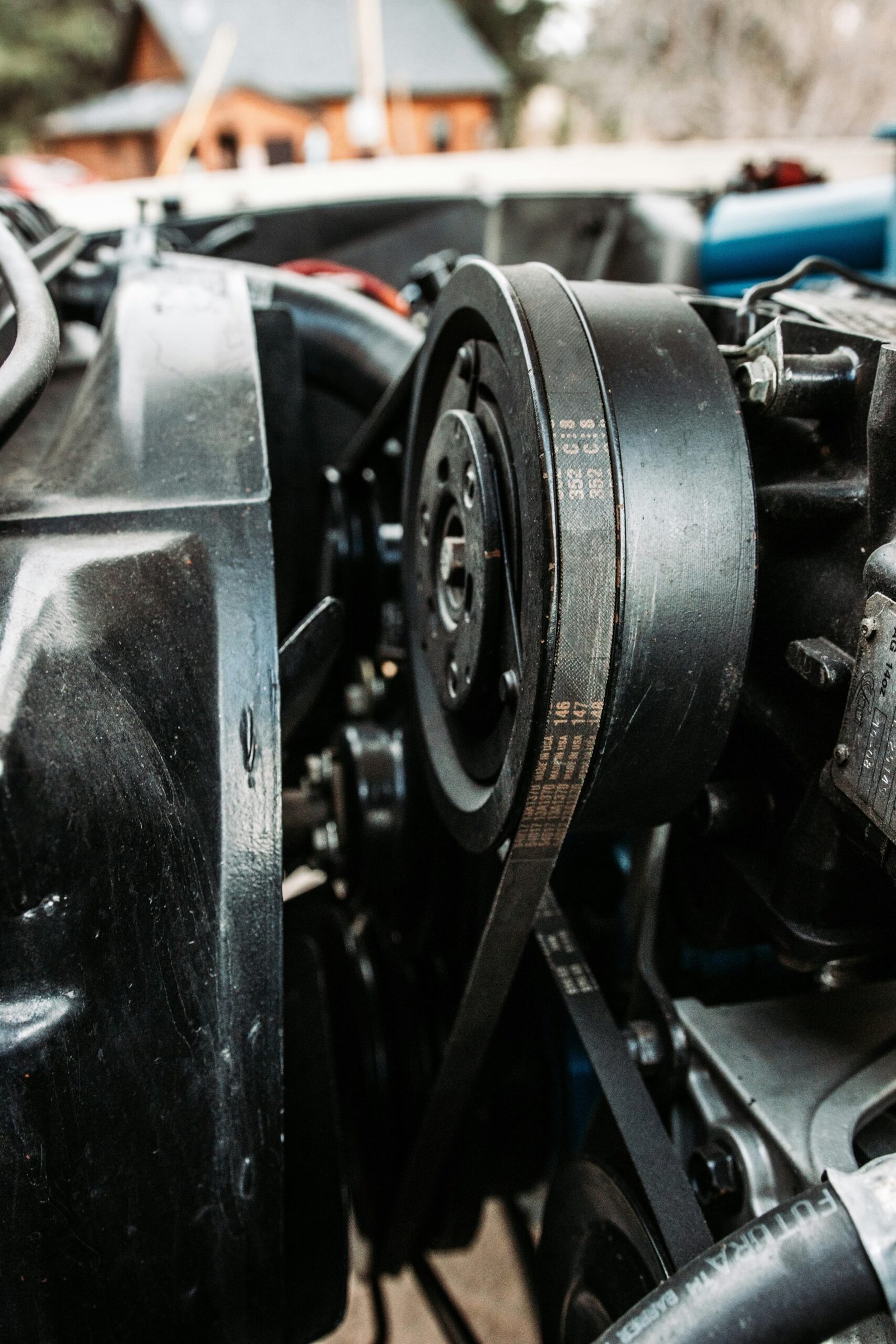
A serpentine belt is a continuous rubber belt that runs around a series of pulleys in the engine compartment. It transfers power from the engine to various accessories.
Unlike vehicles that use several separate drive belts, many modern vehicles use one main belt to operate multiple components.
Depending on the vehicle, the serpentine belt may drive:
- The alternator: Generates electricity and charges the battery while the engine runs.
- The power steering pump: Provides steering assistance in vehicles with belt-driven hydraulic steering.
- The water pump: Circulates engine coolant in vehicles with a belt-driven pump.
- The air conditioning compressor: Helps operate the vehicle’s air conditioning system.
Not every vehicle uses the same configuration. Some models have electric power steering or an electric water pump, so the consequences of belt failure vary.
However, if the belt breaks while you are driving, you should treat the situation seriously until the vehicle has been assessed.
What Happens When a Serpentine Belt Breaks?
A broken serpentine belt can affect several vehicle systems at once. The symptoms depend on which components the belt operates and how the vehicle is designed.
1. The Battery Warning Light May Appear
If the serpentine belt drives the alternator, a broken belt can stop the alternator from charging the battery.
The vehicle may continue running temporarily using the battery’s remaining charge, but electrical systems can eventually lose power.
You might notice the battery warning light illuminating on the dashboard, followed by other electrical warnings.
Do not assume the problem is simply a weak battery. If the belt has broken, replacing or boosting the battery will not resolve the underlying mechanical fault.
2. Steering May Become Much Heavier
Vehicles with belt-driven hydraulic power steering can become significantly harder to steer when the belt fails.
This can be particularly concerning when turning at low speeds, navigating a junction, or trying to move out of traffic.
Some vehicles use electric power steering, so their steering assistance may not be affected by a broken serpentine belt in the same way.
If the steering suddenly becomes difficult, keep control of the vehicle, reduce speed gradually, and move to a safe stopping place when possible.
3. The Engine May Overheat
One of the most important consequences occurs when the serpentine belt drives the water pump.
Without the pump circulating coolant, the engine may overheat. Continuing to run an overheating engine can cause serious and costly damage.
Watch for warning signs such as:
- A rising temperature gauge.
- An engine temperature warning light.
- Steam coming from the engine compartment.
- A sudden change in engine performance.
If the temperature rises abnormally, stop safely and switch off the engine. Never open a hot cooling system, as pressurised coolant can cause severe burns.
4. Air Conditioning May Stop Working
If the belt drives the air conditioning compressor, the air conditioning system may stop operating when the belt breaks.
This may be less urgent than overheating or loss of steering assistance, but it can be another indication that the belt or its drive system has failed.
Pay attention to any combination of warning lights, unusual noises, and changes in vehicle behaviour rather than treating each symptom as an unrelated problem.
What Causes a Serpentine Belt to Break?
Serpentine belts are designed to withstand repeated movement, heat, and mechanical stress. However, they can deteriorate over time or fail because of a problem elsewhere in the belt drive system.
Normal Wear and Age
The belt’s rubber material gradually wears as the engine operates.
Depending on the vehicle and maintenance history, the belt may develop cracks, fraying, missing ribs, or other signs of deterioration.
Following the manufacturer’s inspection and replacement recommendations can help reduce the risk of unexpected failure.
A Faulty Belt Tensioner
The tensioner maintains the correct amount of pressure on the belt.
If it becomes worn or fails, the belt may slip, vibrate, become misaligned, or come off its pulleys. Replacing the belt without addressing a faulty tensioner may allow the problem to return.
Damaged or Misaligned Pulleys
The belt runs around several pulleys, and problems with their bearings or alignment can place additional stress on it.
A pulley that binds, wobbles, or no longer turns correctly may cause the belt to wear unevenly or break.
This is why a mechanic should inspect the surrounding components when replacing a failed belt.
Oil or Coolant Contamination
Leaks from nearby engine components can expose the belt to fluids that may damage its material or affect its grip.
If the same belt fails repeatedly, the underlying cause should be investigated rather than simply fitting another replacement.
Temperature Changes and Driving Conditions
Calgary drivers experience changing temperatures throughout the year. Although cold weather does not automatically cause a belt to break, existing wear, tensioner problems, and other mechanical faults can contribute to failure.
Routine vehicle maintenance is particularly important before long journeys and seasonal changes in driving conditions.
Warning Signs That Your Serpentine Belt May Be Failing
A belt does not always provide an obvious warning before it breaks. Nevertheless, several symptoms may indicate that inspection is needed.
| Warning sign | What it may indicate |
|---|---|
| Squealing or chirping from the engine | Belt slippage, wear, or a pulley problem |
| Battery warning light | Charging-system or alternator problem |
| Steering suddenly becomes heavier | Possible loss of steering assistance |
| Temperature gauge rises | Possible cooling-system failure |
| Visible fraying or missing belt ribs | Belt deterioration or alignment problems |
| Repeated belt failures | Possible tensioner, pulley, or accessory fault |
These symptoms do not prove that the serpentine belt is responsible. For example, a battery warning light can also indicate an alternator or electrical fault.
If you notice unusual noises or warning lights, arrange an inspection before the problem develops into a roadside breakdown.
Never reach into the engine compartment to inspect a belt while the engine is running. Keep clear of pulleys, fans, and other moving components.
What Should You Do If the Belt Breaks While Driving in Calgary?
If the serpentine belt breaks while you are on the road, your priority is to stop safely and avoid further damage.
Step 1: Stay Calm and Maintain Control
You may hear a sudden noise, notice a warning light, or feel the steering become heavier.
Avoid abrupt movements. Signal when appropriate and guide the vehicle towards a safe stopping place without making sudden manoeuvres.
If steering assistance is reduced, steering may require substantially more effort. Do not assume the steering wheel has locked.
Step 2: Move Away From Moving Traffic When Safe
If possible, reach a safe shoulder, parking area, or other location away from moving traffic.
If you are on a Calgary highway, avoid stopping in a live traffic lane if you can safely reach a safer location.
Switch on your hazard lights when appropriate. If your vehicle stops in a dangerous position, contact emergency services when there is an immediate safety risk.
Step 3: Switch Off the Engine
Once safely stopped, turn off the engine, especially if the temperature gauge is rising or you suspect the water pump has stopped operating.
Do not keep the engine running to see whether the warning lights disappear. If the cooling system is affected, continued operation can increase the risk of damage.
Step 4: Do Not Attempt to Drive to a Repair Shop
Even if the vehicle still runs, a broken belt can affect important systems.
Driving further may cause overheating, electrical failure, or difficulty steering, depending on the vehicle.
A short distance is not necessarily safe. Arrange professional assistance rather than risking additional damage.
Step 5: Arrange a Tow if Necessary
If the belt has broken, the vehicle generally needs mechanical attention before it can be driven again.
A tow truck can transport it to a repair shop where a technician can inspect the belt, tensioner, pulleys, and any affected components.
If you are stranded and need help, ARM Towing can discuss suitable towing arrangements based on your location and vehicle.
Can You Drive With a Broken Serpentine Belt?
In general, you should not continue driving with a broken serpentine belt.
Some vehicles may continue running briefly after the belt fails, but this does not mean they are safe to drive.
The alternator may stop charging the battery, steering assistance may be affected, and the engine may overheat if the belt operates the water pump.
The exact consequences depend on the vehicle’s design. However, because the failure can affect essential systems, the safest approach is to stop in a suitable location and arrange professional assistance.
Do not confuse the serpentine belt with the timing belt. A timing belt controls the engine’s internal timing, and its failure can cause a different set of problems, including severe internal engine damage on some engines.
If you are unsure which belt has failed, avoid restarting the engine until the vehicle has been assessed.
Does a Broken Serpentine Belt Mean You Need a New Engine?
Not necessarily.
A broken serpentine belt does not automatically mean the engine is permanently damaged. If the engine is switched off promptly and the failure has not caused other problems, the repair may be limited to the belt and any faulty components in its drive system.
However, the outcome can be more serious if the engine has overheated or another component has failed.
A repair shop may need to inspect:
- The condition of the belt.
- The tensioner and idler pulleys.
- The alternator and other belt-driven accessories.
- The cooling system, where applicable.
- The engine for signs of overheating or related damage.
The required repairs depend on the findings of that inspection. Avoid assuming that a belt replacement alone will resolve the problem until the cause of the failure has been identified.
How Much Does It Cost to Fix a Broken Serpentine Belt?
The cost depends on the vehicle, the cause of the failure, and whether additional components have been damaged.
| Potential expense | Factors affecting the cost |
|---|---|
| Belt replacement | Vehicle model, belt specification, and labour |
| Tensioner replacement | Component price and installation time |
| Pulley or bearing repair | Which component has failed |
| Additional mechanical repairs | Damage caused by overheating or related faults |
| Towing | Pickup location, distance, vehicle type, and recovery requirements |
A straightforward belt replacement may be relatively simple compared with a repair involving a faulty tensioner or damaged accessories.
However, if the engine has overheated, the final bill can be substantially higher.
Before authorising repairs, ask the workshop to explain the cause of the failure, identify any additional work required, and provide an estimate.
If the vehicle needs transportation, you can also review ARM Towing’s guide to tow truck costs in Calgary.
How to Prevent Serpentine Belt Failure
Although no maintenance routine can eliminate every mechanical failure, regular checks can help identify problems before they leave you stranded.
Follow Your Vehicle’s Maintenance Schedule
Check the manufacturer’s maintenance guidance for the recommended belt inspection and replacement procedures.
Replacement intervals vary by vehicle, engine design, driving conditions, and belt type. Avoid relying on one universal mileage figure.
Pay Attention to Unusual Noises
Persistent squealing, chirping, or rumbling around the engine compartment may indicate a belt, tensioner, or pulley problem.
Have unusual noises investigated rather than assuming they will disappear on their own.
Inspect the Belt During Routine Servicing
A qualified mechanic can check for excessive wear, fraying, missing ribs, contamination, and alignment problems.
If a belt requires replacement, the mechanic should also inspect the related components that could have caused the failure.
Address Fluid Leaks Promptly
Oil or coolant leaking onto the belt may contribute to deterioration.
If you notice fluid under the vehicle or signs of a leak in the engine compartment, arrange an inspection rather than waiting for a breakdown.
Check the Vehicle Before a Long Journey
Before travelling outside Calgary, pay attention to warning lights, unusual noises, and recent changes in vehicle performance.
If the vehicle is already showing signs of a belt or charging-system problem, have it inspected before setting off.
Need Towing After a Serpentine Belt Failure in Calgary?
A broken serpentine belt can quickly turn an ordinary journey into an unexpected roadside problem. Depending on your vehicle, the failure may affect charging, steering assistance, engine cooling, or other accessories.
If you suspect the belt has broken, stop safely, switch off the engine, and avoid driving to a repair shop.
ARM Towing can help you explore towing options when your vehicle cannot be driven safely. When requesting assistance, explain your location, vehicle type, warning lights, and whether the engine overheated. This information helps establish the appropriate recovery arrangements.
For additional help, explore our roadside assistance services in Calgary or our 24/7 towing services.
Need a tow in Calgary? Contact ARM Towing to discuss your vehicle breakdown and arrange suitable assistance.
Frequently Asked Questions
What happens if a serpentine belt breaks while driving?
Depending on the vehicle, the alternator may stop charging the battery, steering assistance may be reduced, and the engine may overheat if the belt drives the water pump. Stop safely, switch off the engine, and arrange professional assistance.
Can a broken serpentine belt cause a car to stop running?
Yes, it can contribute to a vehicle shutting down if the charging system stops working and the battery can no longer support the vehicle’s electrical needs. The exact outcome depends on the vehicle and which components the belt drives.
Will my car overheat if the serpentine belt breaks?
It may. If the belt operates the water pump, coolant circulation can stop and the engine can overheat. Some vehicles use different cooling-system designs, so the effect varies by model.
Can I replace a serpentine belt myself?
Some vehicles allow relatively straightforward belt replacement, while others require specific tools and more involved procedures. Incorrect installation or failure to address a damaged tensioner or pulley can cause further problems. If you lack the necessary experience or equipment, use a qualified mechanic.
How do I know if my serpentine belt needs replacing?
Warning signs can include excessive wear, fraying, missing ribs, unusual noises, or visible misalignment. Follow the manufacturer’s maintenance recommendations and have the belt inspected if you notice anything unusual.
Should I tow my car if the serpentine belt breaks?
If the belt has broken, towing is generally the safer choice because the failure may affect essential systems or cause engine overheating. A mechanic should inspect the vehicle and confirm that it is safe to drive after repairs.
Is a serpentine belt the same as a timing belt?
No. A serpentine belt typically drives external engine accessories, while a timing belt synchronises internal engine components. Both are important, but their functions and failure consequences are different.

Moussa El Haddaoui is a digital content creator, web developer, and SEO specialist with a background in English Studies. He writes engaging, informative content and builds websites focused on user experience, search visibility, and quality. His interests include web development, AI automation, digital marketing, and creating useful online experiences.