You get into your car on a cold Calgary morning, turn the key or press the start button, and nothing happens. Perhaps you hear a clicking sound, notice dim dashboard lights or find that the engine will not turn over at all.
A dead car battery can disrupt your entire day, especially when you need to get to work, collect the children or travel across the city.
Cold weather can make starting a vehicle more difficult because battery performance decreases as temperatures fall. Calgary’s winter guidance recommends checking battery health as part of vehicle preparation.
But how do you know whether the battery is dead, the alternator has failed or another problem is preventing the engine from starting?
This guide explains how to recognise battery trouble, what to do when your car will not start, when a battery boost may help and when towing is the better option.
Quick Checklist: What to Do When Your Car Battery Dies
If your car will not start:
- Check whether the dashboard lights come on.
- Listen for clicking, slow cranking or complete silence.
- Make sure the vehicle is in Park or Neutral, as appropriate.
- Check that the battery terminals are not visibly loose or corroded.
- Switch off unnecessary electrical accessories.
- Avoid repeatedly trying to start the engine.
- Do not attempt a boost if the battery is damaged, leaking or possibly frozen.
- Request professional battery assistance if you are unsure what to do.
- Arrange towing if the vehicle remains disabled or another fault is suspected.
Important: A car that will not start does not always have a dead battery. The starter motor, alternator, wiring, fuel system or other components may be responsible.
1. How to Recognise a Dead Car Battery
A failing battery often provides warning signs before it stops working completely. Recognising them can help you avoid an unexpected breakdown.
The engine cranks slowly
When you turn the key or press the start button, the engine may turn over more slowly than usual.
This can indicate a weak battery, although other mechanical or electrical problems can produce similar symptoms.
If the engine struggles repeatedly to start, arrange a battery and charging-system test.
You hear a clicking sound
A rapid clicking sound when you attempt to start the vehicle can indicate insufficient electrical power.
A single click may also point to a starter motor or electrical fault.
Do not assume that every clicking sound means you need a new battery.
The dashboard lights are dim
Dim interior lights, weak headlights or a dashboard that flickers during starting can indicate low battery voltage.
If the lights remain normal but the engine refuses to start, the cause may lie elsewhere.
Nothing happens when you press the start button
A completely discharged battery can leave you with no response from the vehicle.
However, a faulty connection, failed starter, key-fob issue or other electrical problem may produce similar symptoms.
The battery warning light appears
A battery-shaped warning light often relates to the charging system rather than simply indicating that the battery is dead.
If the light comes on while the engine is running, the alternator or charging system may not be supplying sufficient power.
If the vehicle loses electrical power or the engine begins running abnormally, stop somewhere safe and arrange assistance.
2. Why Do Car Batteries Fail in Calgary?
Battery problems can occur throughout the year, but Calgary’s cold winters can make existing weaknesses more noticeable.
Cold weather
Low temperatures reduce a battery’s ability to deliver starting power while the engine may require more effort to turn over.
A battery that works adequately in mild weather may struggle when temperatures fall sharply.
The City of Calgary recommends checking battery health before winter and preparing vehicles for severe cold.
An old or worn battery
Car batteries deteriorate with age and repeated charging cycles.
If your battery is several years old, struggles during cold starts or repeatedly loses charge, have it tested rather than waiting for a complete failure.
The correct replacement interval depends on the battery type, vehicle and operating conditions.
Leaving electrical accessories switched on
Interior lights, headlights or other electrical equipment left on while the engine is off can drain the battery.
Some modern vehicles also use power while parked to maintain electronic systems.
If the battery repeatedly goes flat, a technician may need to check for excessive electrical drain.
Short journeys
Frequent short trips may not give the charging system enough time to replace the energy used during starting.
If your vehicle is mainly used for short journeys, regular battery testing may help identify problems early.
A faulty alternator
The alternator helps recharge the battery while the engine runs.
If it is not working properly, the battery may gradually lose charge even after being boosted or recharged.
Replacing the battery alone will not solve an underlying charging-system problem.
3. What to Do When Your Car Will Not Start on a Cold Morning
A car that refuses to start can be frustrating when you are already late.
Before requesting assistance, take a moment to identify the symptoms.
Step 1: Make sure the vehicle is secure
Place the vehicle in Park or Neutral as appropriate and apply the parking brake.
If you are stopped somewhere unsafe, prioritise moving yourself away from traffic and contacting assistance.
Step 2: Switch off unnecessary electrical equipment
Turn off the heater fan, headlights, heated seats and other accessories if they are not needed for immediate safety.
This will not repair a failed battery, but it can reduce unnecessary electrical demand.
Step 3: Observe what happens when you start the car
Notice whether the engine:
- Cranks slowly.
- Produces rapid clicking.
- Produces a single click.
- Does not respond at all.
- Cranks normally but does not start.
These differences can help a technician identify the likely cause.
Step 4: Do not keep cranking the engine
Repeated starting attempts can further discharge the battery and place additional strain on the starting system.
If the car does not start after a few sensible attempts, stop and seek assistance.
Step 5: Request a battery assessment or boost
If the symptoms suggest a weak battery, roadside battery assistance may be sufficient.
If the battery is healthy but the vehicle still will not start, further diagnosis may be needed.
For help with a vehicle that has become disabled, visit ARM Towing’s roadside assistance guide for Calgary.
4. Can You Boost a Dead Car Battery Yourself?
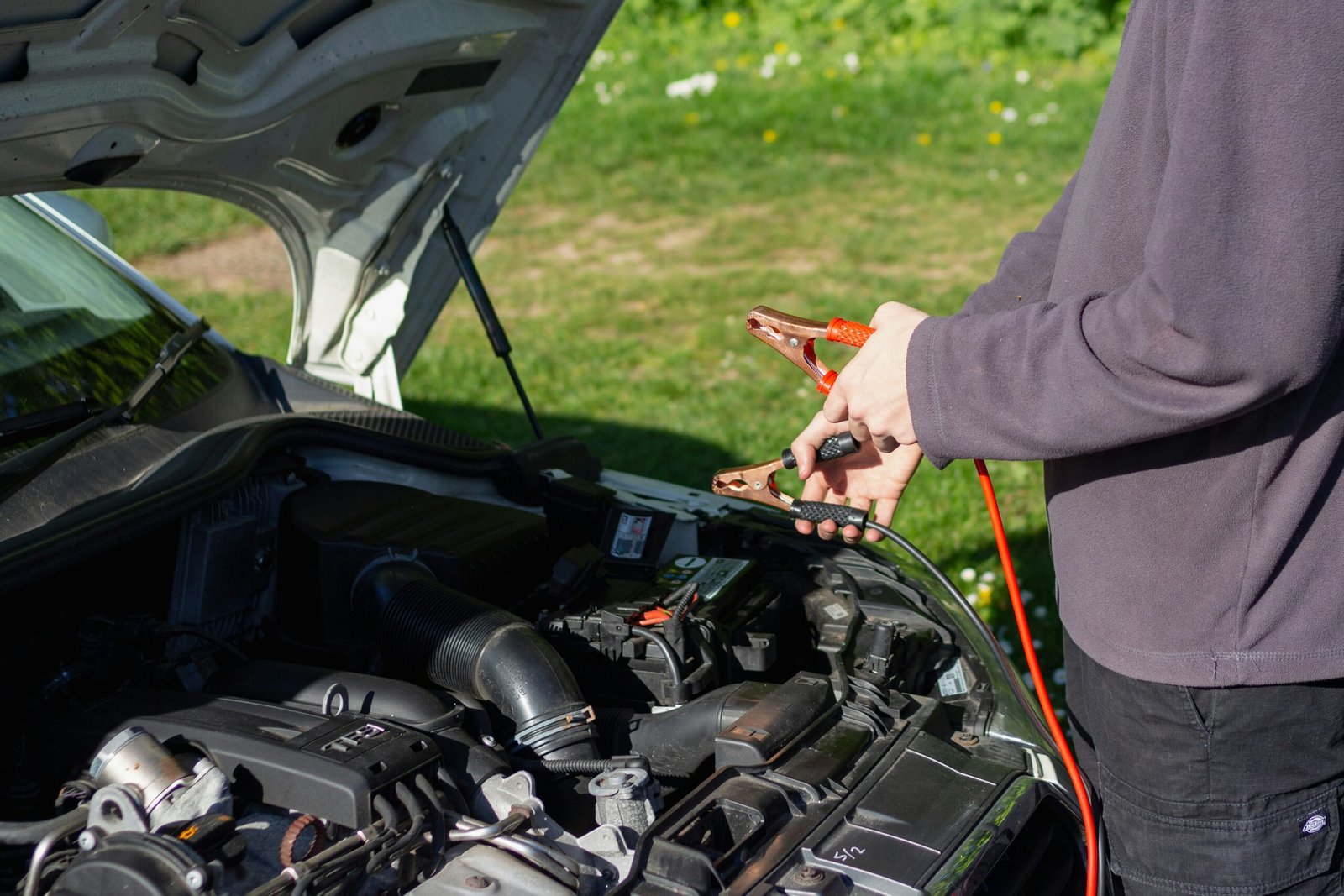
A jump-start can help when the battery is discharged and the battery and vehicle electrical systems are otherwise suitable for boosting.
However, it must be done correctly.
Modern vehicles may have specific jump-starting points and procedures. Hybrid and electric vehicles can have additional requirements.
Before attempting a boost, consult the owner’s manual.
Check the battery first
Do not attempt to jump-start a battery that appears cracked, swollen, leaking or otherwise damaged.
A battery that may be frozen should not be boosted. Freezing can damage a battery, and attempting to boost a damaged or frozen battery can be dangerous.
If you are unsure about its condition, call a professional.
Use compatible equipment
Use a suitable booster pack or an appropriate donor vehicle and cables according to the manufacturer’s instructions.
Incorrect connections can damage electrical components or cause injury.
Follow the correct connection procedure
Do not rely on a generic connection sequence if your vehicle specifies a different procedure.
Follow the instructions for your particular vehicle and equipment, including the designated grounding point.
Keep cables away from moving engine components and never allow the clamps to touch each other while connected to a power source.
What if the car still will not start?
A boost will not resolve every no-start problem.
If the vehicle still refuses to start, avoid repeated attempts and arrange professional diagnosis.
5. When Is Roadside Battery Assistance Enough?
Not every dead battery requires a tow truck.
If the battery is discharged and the vehicle can be safely boosted or recharged, roadside battery assistance may get you moving again.
However, the service needed depends on the cause of the failure.
A boost may be suitable when:
- The battery is discharged but not damaged.
- The vehicle’s starting system is otherwise functioning.
- The battery can safely accept a boost.
- The manufacturer’s procedures allow the service.
Further assistance may be needed when:
- The battery is damaged or possibly frozen.
- The engine does not start after a suitable boost.
- The vehicle loses electrical power while running.
- The charging system appears faulty.
- Warning lights remain on.
- The car starts but quickly stops again.
- The vehicle has an electrical fault or another mechanical problem.
A battery boost is a starting aid, not a complete diagnosis.
6. When Should You Call a Tow Truck Instead?
A tow truck becomes a sensible option when the vehicle cannot safely or reliably be driven after the initial battery problem.
Consider towing if:
- The vehicle remains disabled after appropriate battery assistance.
- The alternator or charging system may have failed.
- The engine starts but then stalls.
- Electrical faults affect essential vehicle systems.
- The vehicle is stranded in an unsafe location.
- A technician determines that the car needs workshop repairs.
- Your vehicle requires specialist handling.
If your car has a charging-system problem, driving after a boost may not be a reliable solution. The battery could discharge again, potentially leaving you stranded in traffic.
If you are unsure whether the vehicle can complete the journey safely, arrange professional assessment.
ARM Towing also provides information about 24/7 towing in Calgary.
7. Why a Car Battery Can Die Even After a Boost
One of the most frustrating situations is getting your car started, switching it off and discovering that it will not start again.
Several causes are possible.
The battery cannot hold a charge
An old or damaged battery may accept a temporary boost but fail to retain sufficient energy for the next start.
The alternator is not charging properly
If the alternator or charging system is faulty, the battery may not recharge as the vehicle runs.
There is an electrical drain
An electrical component may continue drawing power when the car is parked.
This can drain even a relatively new battery.
The original problem was not the battery
A faulty starter motor, poor connection or another mechanical or electrical issue can prevent starting.
A technician can test the battery, charging system and starting circuit to distinguish between these possibilities.
8. What If Your Car Battery Dies in an Underground Parking Garage?
An underground parking garage can make a battery problem more difficult to handle.
You may have limited space to access the engine bay, restricted vehicle clearance or little room for another vehicle to provide a boost.
Before arranging help, explain that the car is in an underground garage.
Provide the parking level, stall number, entrance location and any height restrictions you know.
Why the location matters
A standard tow truck may not be able to enter a low-clearance garage.
The recovery method may need to be adjusted to suit the vehicle and building.
Do not attempt to push a vehicle through a garage or onto a ramp without appropriate assistance.
For more information, read ARM Towing’s guide to a car stuck in an underground parking garage in Calgary.
9. Dead Battery Problems in Hybrid and Electric Vehicles
Hybrid and electric vehicles can also experience low-voltage battery problems.
However, their electrical systems differ from those of conventional petrol and diesel vehicles.
Hybrid vehicles
Many hybrids use a separate low-voltage battery to operate control systems and enable the vehicle to start or enter its ready state.
A problem with this battery can prevent the vehicle from becoming ready to drive even when the high-voltage battery has charge.
Electric vehicles
Electric vehicles also rely on a low-voltage system to operate electronic components and control systems.
If the low-voltage battery fails, the vehicle may not start normally or may display multiple warnings.
Why specialist instructions matter
Do not assume that a hybrid or electric vehicle can be boosted using the same procedure as a conventional car.
Consult the owner’s manual and use the manufacturer’s approved starting points and procedures.
If the vehicle remains disabled, tell the roadside provider that it is a hybrid or electric model. This helps them choose suitable recovery equipment and procedures.
10. How to Prevent a Dead Battery Before Winter
A few practical checks can reduce the chance of an unexpected no-start situation.
Test the battery before severe cold arrives
If your battery is older, has struggled to start the engine or has required repeated boosts, arrange a battery test.
Testing can help identify reduced capacity before a breakdown occurs.
Inspect the charging system
If your battery repeatedly loses charge, have the alternator and charging system checked.
Replacing the battery without identifying the cause may not solve the problem.
Keep electrical connections in good condition
Visible corrosion or loose battery connections can interfere with starting.
Have damaged or corroded connections inspected and cleaned safely.
Check your vehicle’s cold-weather requirements
Some vehicles have a block heater or other cold-weather equipment.
Follow the manufacturer’s recommendations for use, particularly during extreme cold.
Keep an emergency kit in your car
Useful items include:
- Warm clothing and gloves.
- A charged mobile phone or power bank.
- A flashlight.
- A first-aid kit.
- Drinking water and suitable emergency food.
- Reflective equipment.
- A suitable booster pack, if appropriate for your vehicle.
The City of Calgary recommends preparing a vehicle emergency kit and checking battery health, antifreeze and windshield wipers before severe winter weather.
For more advice, see Alberta’s Safer Winter Highways guidance.
11. What Information Should You Give When Requesting Assistance?
Providing clear information helps the service provider understand your situation.
When requesting roadside assistance, explain:
- Your vehicle’s make, model and year, if known.
- Whether the engine cranks or remains completely silent.
- Whether you hear clicking.
- Whether dashboard lights appear.
- Whether you have already attempted a boost.
- Whether warning lights appeared before the vehicle stopped.
- Your exact location or nearest intersection.
- Whether the vehicle is inside a garage or parked on the roadside.
If the vehicle is a hybrid or electric model, mention that as well.
If you are stopped on a busy road, do not put yourself in danger to collect extra information. Your safety comes first.
Frequently Asked Questions
How do I know if my car battery is dead?
Common signs include slow engine cranking, clicking sounds, dim lights or no response when starting. However, other electrical or mechanical faults can cause similar symptoms.
Can cold weather kill a car battery?
Cold weather can reduce a battery’s available starting power and make an already weak battery more likely to fail. A battery’s condition, age and state of charge also matter.
Should I replace my battery after a jump-start?
Not automatically. A discharged battery may recover after being recharged. A battery and charging-system test can help determine whether replacement is necessary.
Why does my car die again after a boost?
Possible causes include a worn battery, a faulty alternator, an electrical drain or another starting-system problem. Further testing may be needed.
Can a tow truck help if my car battery is dead?
Yes. Depending on the service available and the problem, you may need a battery boost, roadside diagnosis or towing to a repair facility.
Is it safe to jump-start a frozen car battery?
Do not attempt to boost a battery that may be frozen or is visibly damaged. Seek professional assistance and follow the manufacturer’s safety instructions.
Can an electric car have a dead battery even when it has charge?
Yes. A problem with the low-voltage battery can prevent some electric vehicles from starting or entering their ready state, even when the main traction battery has charge.
How can I avoid a dead battery in Calgary winter?
Have an ageing battery tested, maintain the charging system, switch off unnecessary electrical equipment and prepare your vehicle for cold weather.
Dead Car Battery in Calgary? Get the Right Assistance
A dead battery can be a minor inconvenience or a sign of a larger electrical problem.
If your vehicle simply needs an appropriate boost, roadside battery assistance may be enough. If the car remains disabled, the charging system has failed or the vehicle cannot safely continue, towing may be the better solution.
ARM Towing can help when your vehicle needs recovery after a breakdown in Calgary.
Do not keep trying to start a vehicle that refuses to respond. Identify the symptoms, prioritise safety and arrange the right assistance to get your journey back on track.

Moussa El Haddaoui is a digital content creator, web developer, and SEO specialist with a background in English Studies. He writes engaging, informative content and builds websites focused on user experience, search visibility, and quality. His interests include web development, AI automation, digital marketing, and creating useful online experiences.