
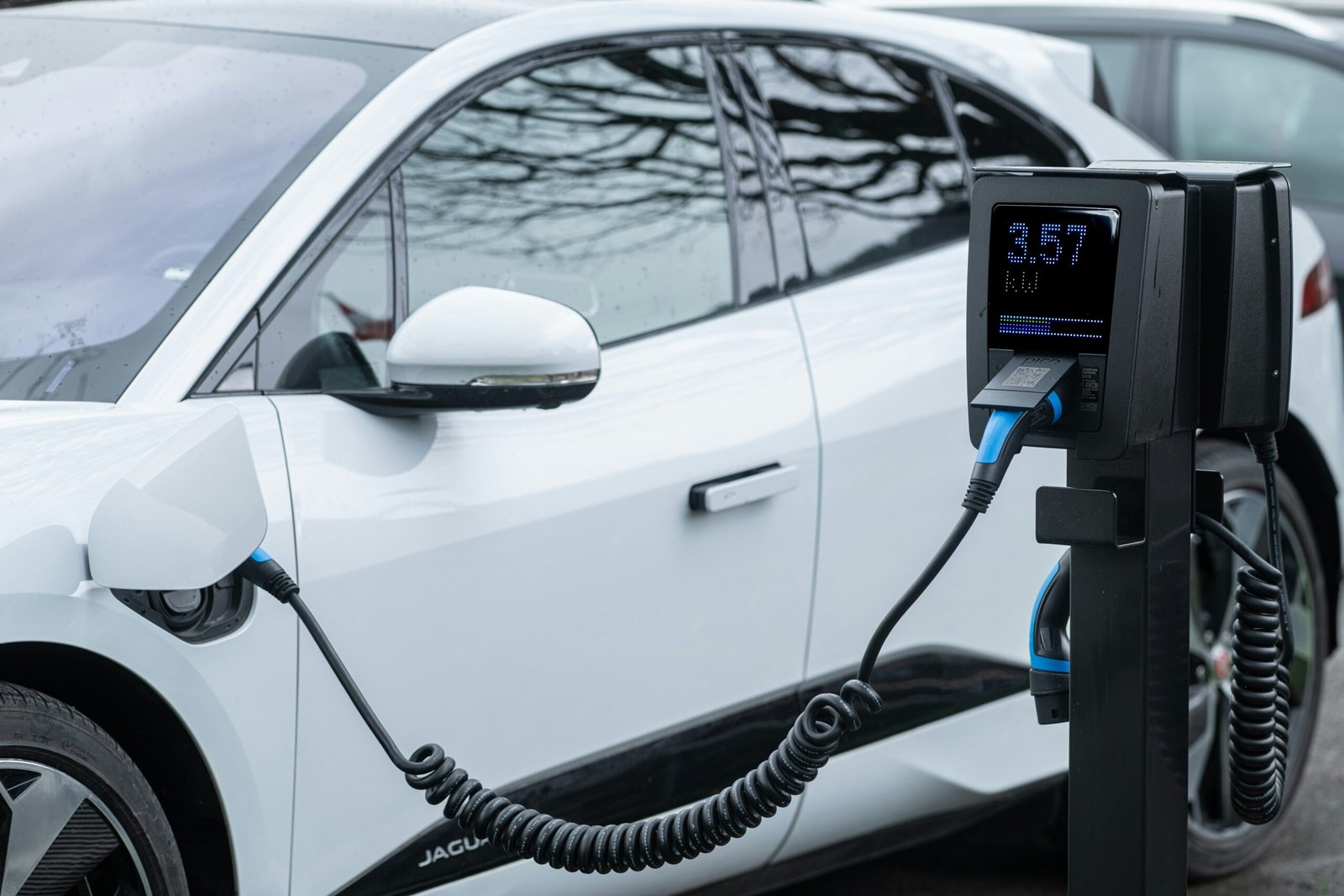
Running out of battery power in an electric vehicle (EV) can be stressful, especially when you are travelling through Calgary or heading out on a longer journey. Unlike a petrol-powered car, an electric vehicle cannot simply be refuelled at a conventional petrol station. You need a compatible charging point or a suitable recovery solution.
If your electric car reaches 0% battery, the safest next step depends on where you have stopped, your vehicle’s condition and whether a compatible charging station is within reach.
This guide explains what to do when your electric car runs out of charge in Calgary, how to avoid damaging your vehicle, and when to arrange towing.
What Happens When an Electric Car Runs Out of Battery?
When an electric vehicle’s battery becomes depleted, the car may display warnings, reduce available power or eventually stop driving. The exact behaviour depends on the make, model and battery management system.
Some vehicles provide a low-battery warning well before reaching a critically low state of charge. Others may reduce performance to help conserve the remaining energy.
Once the battery can no longer supply enough power for driving, you may be unable to move the vehicle under its own power.
Keep in mind that the range displayed on your dashboard is an estimate. Cold temperatures, highway speeds, cabin heating, hills and driving style can all affect energy consumption.
Natural Resources Canada explains the different electric vehicle charging options and how charging works. Understanding your vehicle’s charging requirements can help you prepare for longer trips.
What to Do If Your EV Runs Out of Charge in Calgary
If your electric vehicle stops because its battery is depleted, follow these steps to protect yourself and your car.
1. Move to a Safe Location if Possible
If you receive a low-battery warning while driving, look for a suitable place to stop or a compatible charging station you can safely reach.
If the vehicle loses power while moving, concentrate on maintaining control and getting out of traffic safely. Use your hazard lights when appropriate.
Do not continue driving if the car cannot maintain a safe speed or respond normally.
If you stop on a busy road or highway, remain aware of passing traffic and follow local road-safety guidance. If your location is dangerous, contact emergency services when necessary.
2. Check Your Remaining Range
Look at the dashboard to confirm the battery level and any warnings. If the vehicle still has usable range, check whether a compatible charging station is realistically reachable.
Do not rely entirely on the estimated range, particularly in cold Calgary weather. The remaining distance may change quickly when temperatures are low or you are driving at highway speeds.
If you cannot safely reach a charger, arrange assistance instead of risking a complete loss of power in traffic.
3. Find a Compatible Charging Station
Use your vehicle’s navigation system or a trusted charging application to locate a nearby station.
Natural Resources Canada’s Electric Charging and Alternative Fuelling Stations Locator can help you search for public charging locations across Canada.
Before heading to a station, check:
- Whether the charger is compatible with your vehicle.
- Whether the station is available and operating.
- Whether you have the required charging app, account or payment method.
- Whether the station is within a realistic driving range.
- Whether you can safely reach it without risking another stop in traffic.
If your vehicle has already stopped because the battery is depleted, you may need recovery rather than a charging station search.
4. Contact Roadside Assistance
If your EV cannot move, contact your roadside assistance provider or a towing company that can handle electric vehicles.
Explain that the vehicle is electric and has run out of charge. Give the provider your location, vehicle make and model, and any information about warning messages or whether the car can roll.
Ask whether they can arrange a suitable recovery method for your specific vehicle. Do not assume every roadside provider has portable EV charging equipment.
You can also read our guide to roadside assistance services in Calgary to understand the types of help drivers may need when a vehicle cannot continue its journey.
Can a Tow Truck Help When an Electric Car Runs Out of Charge?
Yes. If your electric vehicle cannot reach a charging station, towing may be an appropriate way to transport it to a compatible charger, repair facility or another suitable destination.
However, electric vehicles have specific towing requirements. The correct recovery method depends on the vehicle’s drivetrain, transmission design and manufacturer’s instructions.
Why the Right Towing Method Matters
Some electric vehicles use motors connected directly to the wheels. Moving the vehicle incorrectly can damage components or create other safety concerns.
Depending on the model, the manufacturer may require a flatbed truck or another approved recovery method.
Before arranging a tow, tell the provider:
- The vehicle is fully electric or a plug-in hybrid.
- The battery has run out of charge.
- The make, model and approximate year.
- Whether the vehicle can shift into neutral.
- Whether the wheels are locked or the vehicle displays additional warnings.
Never assume that an electric vehicle can be towed with all four wheels on the road simply because a conventional car can be moved that way.
For more information, see our guide to flatbed towing in Calgary. The appropriate method should always follow the manufacturer’s instructions for the specific vehicle.
Does Cold Weather Make Electric Cars Run Out of Charge Faster?
Cold weather can reduce the driving range of an electric vehicle. Battery performance, cabin heating and the energy required to maintain a comfortable temperature can all affect how far the car travels on a charge.
This matters in Calgary, where winter conditions can change quickly.
During colder months, consider these precautions:
- Start longer journeys with an adequate battery charge.
- Check the weather forecast and road conditions before leaving.
- Plan charging stops before the battery becomes critically low.
- Use the vehicle’s scheduled preconditioning feature while it is connected to a charger, if available.
- Allow additional range for detours, traffic and unexpected delays.
- Keep your phone charged so you can access navigation and roadside assistance.
Cold weather does not mean an EV will always run out of charge unexpectedly. Planning ahead and understanding your vehicle’s typical winter range can reduce the risk.
How to Prevent Your Electric Car From Running Out of Charge
A few simple habits can make electric vehicle journeys more predictable.
Plan Charging Stops Before Long Trips
For journeys outside Calgary, identify charging locations along your route before setting off. Check connector compatibility, operating status and whether the station is accessible at the time you expect to arrive.
Do not plan a trip around a single charger if there are practical alternatives along the way.
Keep an Appropriate Battery Reserve
Avoid repeatedly planning to arrive at a charger with almost no battery remaining. A road closure, queue or unexpected detour could leave you without enough power to reach another location.
The reserve you need depends on your vehicle, journey length, weather and access to alternative charging stations.
Understand Your Vehicle’s Range Estimates
Learn how speed, temperature, heating and driving conditions affect your EV. Your usual city-driving range may not match what you can achieve on a cold highway journey.
For additional background, consult Natural Resources Canada’s information on electric vehicle charging costs and charging arrangements.
Check Charging Access Before You Travel
Make sure you can use the charging network you plan to visit. Some stations require an app, account or specific payment method.
If you regularly drive beyond the city, keep a suitable charging application and your roadside assistance details accessible.
What If Your Electric Car Stops in an Underground Garage?
An EV that runs out of charge in an underground parking garage may be difficult to recover because of height restrictions, tight turns or limited access.
Do not attempt to push the vehicle up a ramp or move it manually without suitable assistance. The vehicle may be heavy, difficult to steer or unable to enter its required towing mode.
Tell the towing provider about the garage’s clearance height, access restrictions and the vehicle’s condition before they arrive.
Our guide explains what to do when a car gets stuck in an underground parking garage in Calgary.
Providing accurate access details helps the provider determine whether a standard truck can reach the vehicle or whether a different recovery arrangement is necessary.
How Much Does It Cost to Tow an Electric Car in Calgary?
The cost of recovering an electric vehicle depends on several factors, including:
- The pickup location and distance to the destination.
- The vehicle’s size, weight and condition.
- Whether it can roll and be placed in the required towing mode.
- Whether a flatbed or specialised recovery equipment is needed.
- Access restrictions, such as an underground garage.
- Any additional service requirements.
Ask for a price estimate before authorising the service and explain that the vehicle is electric. This allows the provider to assess the requirements more accurately.
For a general overview of pricing factors, read our guide to tow truck costs in Calgary.
Need Help Recovering an Electric Vehicle in Calgary?
Running out of charge does not necessarily mean your electric vehicle has a mechanical fault. However, if it cannot reach a compatible charging station safely, professional recovery may be the most practical option.
Prioritise your safety, avoid attempting an unsuitable tow and make sure the provider knows your vehicle is electric before recovery begins.
ARM Towing offers towing-related assistance information for Calgary drivers. Visit our guide to 24/7 towing services in Calgary to learn more about arranging help when a vehicle cannot continue its journey.
Frequently Asked Questions
Can an electric car be towed after its battery reaches 0%?
Yes. An EV can often be transported by a suitable recovery vehicle, but the method must follow the manufacturer’s towing instructions. Tell the provider the battery is depleted before they arrange recovery.
Can I push my electric car to a charging station?
Do not assume this is safe or practical. Electric vehicles can be heavy, and steering, braking or shifting into neutral may be restricted when power is unavailable. Follow the owner’s manual and request suitable assistance.
Will my electric car’s battery be damaged if it reaches 0%?
A displayed 0% does not necessarily mean the battery’s cells are physically at zero energy. The battery management system typically maintains safeguards, but leaving a depleted vehicle in that state for an extended period can be problematic. Follow the manufacturer’s guidance and arrange charging as soon as practical.
Can a regular tow truck transport an electric vehicle?
Some towing providers can transport EVs, but not every recovery method is suitable for every model. Confirm the vehicle details with the provider and follow the manufacturer’s requirements.
Does winter reduce electric vehicle range in Calgary?
Yes, cold temperatures and cabin heating can reduce available range. Planning extra charging time and keeping a reserve can help prevent an unexpected stop.
What details should I provide when requesting EV towing?
Provide your exact location, vehicle make and model, battery status, whether the vehicle can roll or shift into neutral, and any access restrictions. Mention whether the car is in a garage, on a highway or in another difficult location.

Moussa El Haddaoui is a digital content creator, web developer, and SEO specialist with a background in English Studies. He writes engaging, informative content and builds websites focused on user experience, search visibility, and quality. His interests include web development, AI automation, digital marketing, and creating useful online experiences.