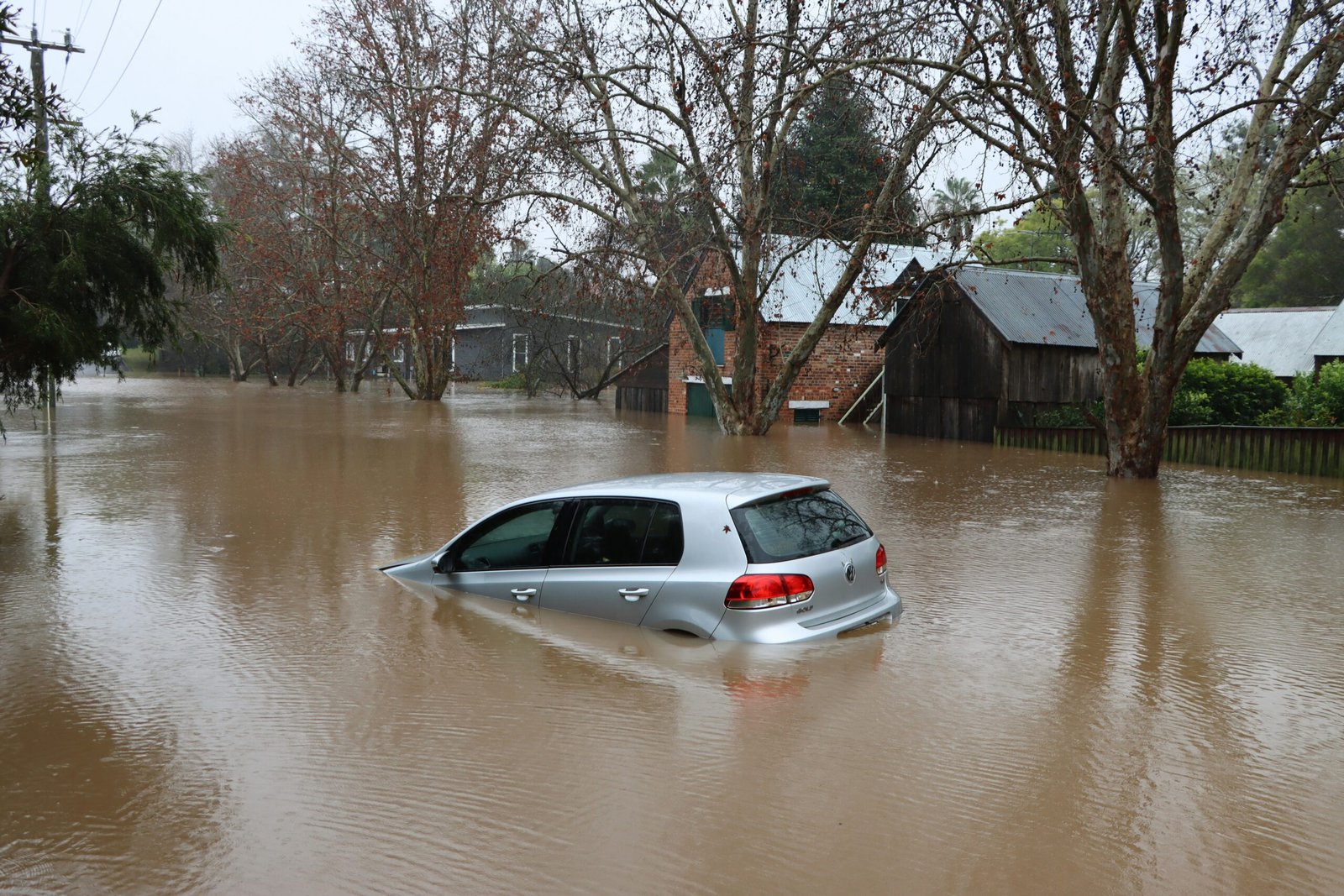
Heavy rain, overflowing drainage systems and unexpected flooding can leave Calgary drivers dealing with more than just wet carpets. Even a relatively short period in standing water can affect a vehicle’s engine, transmission, electrical components and safety systems.
The biggest mistake drivers can make after a vehicle has been exposed to floodwater is assuming it is safe simply because it still looks normal. Water can enter areas that are difficult to inspect, and attempting to start the engine may make existing damage worse.
If your car has been caught in floodwater, knowing what to do next can help protect your safety and prevent additional damage. This guide explains how to recognise potential flood damage, when to arrange towing and what Calgary drivers should consider before moving their vehicles.
How Can Floodwater Damage Your Car?
Floodwater can affect several important vehicle systems. The extent of the damage depends on how high the water reached, how long the vehicle was exposed and whether water entered the engine or passenger compartment.
1. Engine Damage
One of the most serious risks is water entering the engine through the air intake.
An engine is designed to compress air and fuel, not water. If water enters the cylinders, attempting to start the engine can cause severe internal damage, sometimes known as hydrolock.
Even if the engine appears undamaged from the outside, there may be water inside components that cannot be checked without a proper inspection.
2. Electrical System Problems
Modern vehicles rely on electrical systems for essential functions, including:
- Engine management
- Electronic braking systems
- Airbags and safety equipment
- Power steering
- Sensors and control modules
- Door locks and window controls
Floodwater can damage wiring, connectors and electronic modules. Problems may not appear immediately, so a vehicle that still has working lights or dashboard displays should not automatically be considered safe.
3. Transmission and Drivetrain Damage
Water may enter transmission housings, differentials and other drivetrain components through openings or vents.
Contaminated fluids can affect lubrication and internal components. Depending on the vehicle and the extent of exposure, professional inspection and fluid replacement or more extensive repairs may be necessary.
4. Interior Damage and Mould
When floodwater enters the passenger compartment, it can soak carpets, seats, insulation and other materials.
Moisture trapped underneath carpets and inside padding can lead to unpleasant smells, corrosion and mould growth. Floodwater may also contain sewage, chemicals or other contaminants.
For this reason, cleaning the visible surfaces is not always enough to make a flooded vehicle safe.
What Should You Do Immediately After Your Car Gets Flooded?
Your safety should always come before protecting the vehicle.
If your car has been caught in floodwater, follow these steps.
Step 1: Move Away From Dangerous Water
If you are still inside a vehicle surrounded by rising or moving floodwater, prioritise getting yourself and your passengers to a safe location when it is possible to do so.
Do not risk entering deep or fast-moving water to retrieve belongings.
The Government of Alberta provides useful flood preparedness and safety guidance, including advice about vehicles caught in rising water.
Step 2: Do Not Start the Engine
<text> <bold>Do not turn the key or press the start button to test whether the vehicle still works.</bold> </text>
Starting a flooded vehicle can make engine damage worse if water has entered the intake or cylinders.
Even if the vehicle was parked and the water has already receded, avoid attempting to restart it.
The CAA-Quebec guide to flooded vehicles also recommends avoiding engine starts and arranging professional towing.
Step 3: Avoid Using Electrical Controls
If water has entered the vehicle, avoid experimenting with electrical systems, switches or accessories.
This is particularly important for hybrid and electric vehicles, which contain high-voltage components. Do not touch damaged cables, exposed electrical components or a battery pack that may have been affected by flooding.
Follow emergency responders’ instructions if the vehicle presents an electrical or fire risk.
Step 4: Contact Your Insurance Company
Take photographs of the vehicle and surrounding conditions only if you can do so safely.
Contact your insurer to report the incident and ask about the next steps. Your insurance provider may require photographs, an inspection or specific instructions before repairs or disposal are arranged.
Step 5: Arrange Suitable Towing
If the vehicle needs to be moved, arrange professional transport rather than attempting to drive it.
Tell the towing operator that the vehicle has been exposed to floodwater. Explain how high the water reached, whether the engine was running and whether the wheels or brakes appear damaged.
This information helps determine the appropriate recovery equipment.
When Should You Call a Tow Truck After Flooding?
Not every vehicle exposed to rain needs towing. However, certain situations make professional transport particularly important.
Consider arranging towing if:
- Water entered the passenger compartment.
- Floodwater reached the engine bay or air intake.
- The vehicle stalled while driving through water.
- The dashboard displays unexpected warning lights.
- The engine will not start after exposure to water.
- The brakes or steering behave differently.
- The vehicle has been submerged in a parking garage.
- The insurer or a qualified mechanic advises against driving it.
A vehicle can suffer damage even when the water level does not reach the dashboard. Do not use water height alone to decide whether it is safe to drive.
How Is a Flood-Damaged Vehicle Transported?
The towing method depends on the vehicle’s condition, drivetrain and accessibility.
Flatbed Towing
A flatbed tow truck is often a suitable option for transporting a flood-damaged vehicle because all four wheels can be kept off the road.
This can be particularly useful when:
- The engine must not be started.
- The transmission may be damaged.
- The vehicle has an AWD system.
- The brakes or wheels are not functioning properly.
- The vehicle needs to be transported to an inspection facility.
The operator must still follow the manufacturer’s loading instructions and consider any special hazards associated with the vehicle.
Wheel-Lift Towing
A wheel-lift tow truck may be suitable in certain circumstances, but it should not be selected automatically.
If the transmission, drivetrain or wheels have been affected, the operator must determine whether the vehicle can safely be transported using that equipment. Dollies or other recovery equipment may be required.
For more information about suitable equipment, see our guide to AWD vehicle towing in Calgary.
Recovery From Underground Parking
Flooding can also affect underground parking garages, particularly after heavy rainfall or drainage problems.
A vehicle may be surrounded by water, positioned in a restricted parking space or unable to move because of electrical or mechanical damage.
Tell the towing operator about the garage entrance height, access restrictions, parking level and available clearance before requesting assistance. This helps the operator prepare the appropriate equipment.
What If Your Car Was Only Partially Submerged?
Partial flooding should not be ignored.
Water may enter through the air intake, underneath the vehicle or through openings around doors and other body panels. The actual risk depends on the vehicle’s design and the conditions of exposure.
For example, a car that has water around its tyres may have experienced less damage than one with water inside its passenger compartment. However, this does not guarantee that the first vehicle is safe to drive.
A qualified technician should assess the vehicle before it returns to normal use.
The Insurance Corporation of British Columbia’s flood safety advice also recommends having a vehicle checked if it has been exposed to floodwater, even if the engine continues running.
How to Prepare Your Car for Future Flooding in Calgary
Although drivers cannot control severe weather, a few precautions can reduce the risk of getting caught in dangerous conditions.
- Avoid parking in low-lying areas that are known to collect water.
- Pay attention to weather warnings and local road closures.
- Never drive through a flooded underpass.
- Avoid roads covered by moving water.
- Keep emergency contact details available.
- Do not leave a vehicle in an underground garage if authorities issue an evacuation warning and it is safe to move it beforehand.
Remember that water depth can be difficult to judge from inside a vehicle. A road that appears passable may contain hidden obstacles or deeper sections.
If you encounter a flooded road, do not attempt to cross it. Turn around when it is safe and choose another route.
Flood-Damaged Vehicle Checklist
Use this checklist if your vehicle has been exposed to floodwater.
- Make sure all occupants are in a safe location.
- Do not attempt to restart the engine.
- Avoid operating electrical controls if water has entered the vehicle.
- Do not touch damaged high-voltage components.
- Photograph visible damage when it is safe.
- Contact your insurance company.
- Inform the towing operator that the vehicle has been flooded.
- Arrange transport using suitable recovery equipment.
- Have the vehicle inspected by a qualified professional before considering repairs or further use.
Frequently Asked Questions
Can I start my car after it has been flooded?
You should not attempt to start a vehicle that has been immersed in floodwater or may have taken water into its engine. Starting it could cause additional damage. Arrange professional inspection and towing instead.
Can a car still work after being exposed to floodwater?
Yes, a vehicle may appear to work after exposure. However, water can affect electrical components, transmission systems, brakes and other important parts. Working temporarily does not prove that it is safe to drive.
Should I use a flatbed tow truck for a flooded car?
A flatbed is often a practical choice because it keeps all four wheels off the road. The appropriate equipment depends on the vehicle’s condition, drivetrain and any special electrical or recovery hazards.
Does car insurance cover flood damage in Calgary?
Coverage depends on your individual insurance policy and the circumstances of the incident. Contact your insurance provider to confirm whether your policy covers the damage and what documentation is required.
Can floodwater damage an electric or hybrid vehicle?
Yes. Floodwater can affect high-voltage battery systems and electrical components. A potentially flooded electric or hybrid vehicle should be handled by appropriately trained professionals. Do not touch damaged high-voltage equipment.
Should I tow my car if water only reached the bottom of the doors?
Do not rely on a single water-height measurement to decide whether the vehicle is safe. Water can enter through different openings, and the risk depends on the vehicle and exposure conditions. If you suspect water entered the vehicle or its mechanical systems, arrange an inspection and avoid driving until it has been assessed.
Conclusion
Flood damage can create serious problems for a vehicle, even when the visible damage appears limited. Engine problems, electrical faults, transmission contamination and interior moisture can all affect its safety and reliability.
If your car has been exposed to floodwater in Calgary, avoid starting it, contact your insurer and arrange suitable towing when necessary. A professional inspection is essential before deciding whether the vehicle can safely return to the road.
For vehicle recovery and transport assistance, visit ARM Towing and find out more about available services.

Moussa El Haddaoui is a digital content creator, web developer, and SEO specialist with a background in English Studies. He writes engaging, informative content and builds websites focused on user experience, search visibility, and quality. His interests include web development, AI automation, digital marketing, and creating useful online experiences.