Calgary weather can change quickly. One minute you are driving normally, and the next you may be dealing with heavy rain, strong winds, flooding or large hail.
Hail can damage much more than a car’s paint. A serious storm can crack or shatter glass, damage body panels, break lights, affect visibility and leave debris across the road. In some situations, a vehicle that appears driveable may actually be unsafe to continue driving.
So what should you do after a hailstorm?
Should you drive home, contact your insurance company, visit a repair shop or call a tow truck?
This guide explains how to assess hail damage, when driving may be unsafe and when towing is the better option for Calgary drivers.
Quick Calgary Hail Damage Checklist
After a severe hailstorm:
- Pull over safely and stay inside the vehicle while the storm is active.
- Avoid flooded roads and large puddles.
- Check the windshield, windows, lights and mirrors.
- Look for severe body or roof damage.
- Check whether the doors and bonnet still open and close properly.
- Look for loose or hanging body parts.
- Check for fluid leaks underneath the vehicle.
- Do not drive if your visibility is seriously affected.
- Take photos of the damage when it is safe.
- Contact your insurance provider if you need to make a claim.
- Arrange towing if the vehicle is unsafe or badly damaged.
Calgary recommends pulling over safely and remaining in your vehicle when hail threatens, while also warning drivers to avoid flooded areas during severe storms.
Why Hail Damage Can Make a Car Unsafe to Drive
Not every hail-damaged vehicle needs a tow.
Small dents across the bonnet or roof may look serious but do not necessarily prevent the vehicle from being driven. The important question is whether the storm has affected any component that is necessary for safe driving.
1. The Windshield Is Cracked or Shattered
Your windshield is essential for visibility and structural protection.
If hail has caused a major crack, shattered part of the glass or created a serious obstruction in your field of vision, continuing to drive may not be sensible.
A small chip is very different from a badly damaged windshield.
If you cannot see clearly through the glass, consider roadside assistance or towing instead of trying to reach a repair shop yourself.
2. A Side Window Is Broken
A broken side window creates several problems.
Rain can enter the vehicle, glass can remain inside the cabin and the driver may be exposed to wind and debris.
If the damage happened during a severe storm, the safest option may be to move the vehicle only if it is safe to do so and arrange further assistance.
3. Your Headlights or Brake Lights Are Damaged
Hail can damage lighting assemblies.
This becomes especially important if the storm happens in the evening or visibility is already poor.
Before driving away, check:
- Headlights
- Brake lights
- Indicators
- Hazard lights
- Rear lights
If important lighting is broken, especially during poor weather or darkness, towing may be safer than driving the vehicle to a repair facility.
What If the Car Has Major Body Damage?
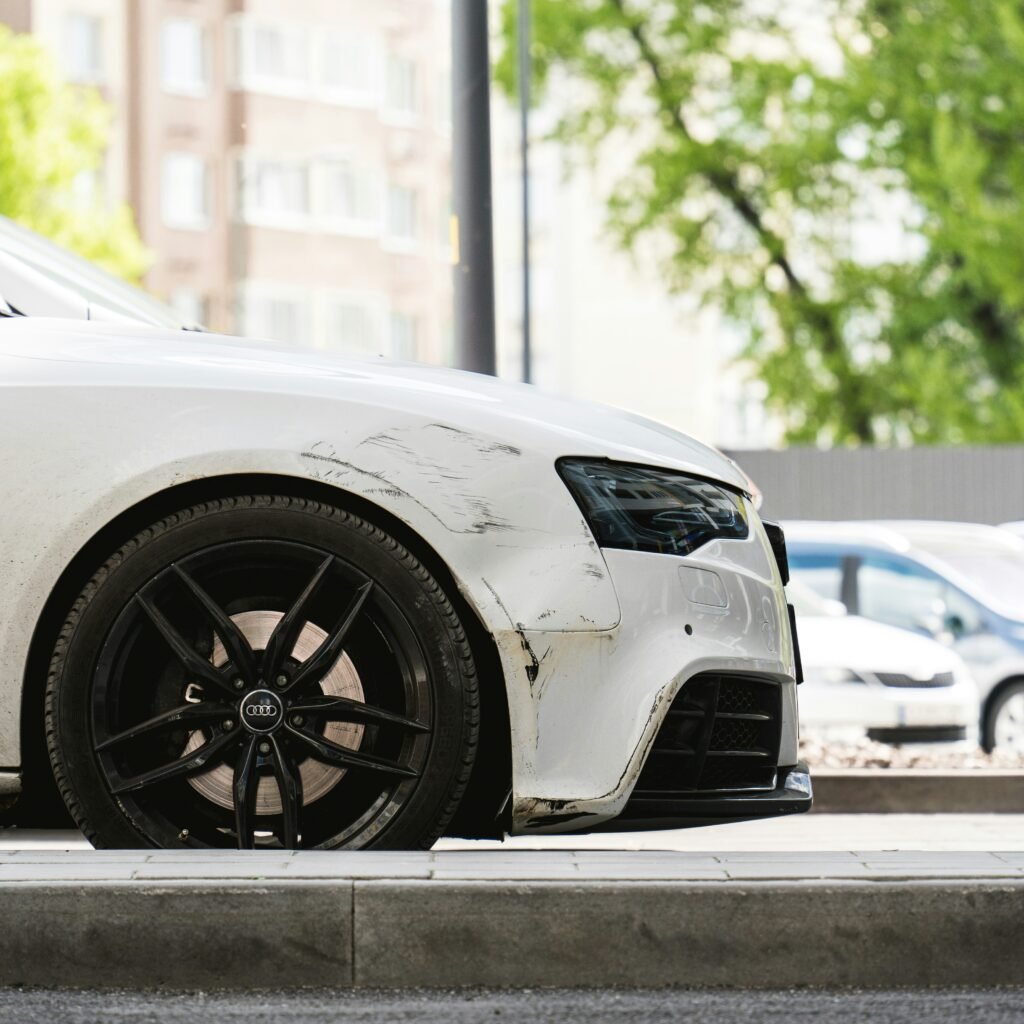
Hail can leave dents across the bonnet, roof, boot and doors.
Cosmetic damage does not automatically mean you need a tow.
However, inspect the vehicle carefully before driving.
Look for:
- Loose body panels
- Damaged mirrors
- Broken trim
- Parts hanging from the vehicle
- Doors that no longer close correctly
- Bonnet or boot problems
- Sharp exposed edges
- Damage around the wheels
- Broken lights
A panel that has become loose can become a bigger hazard once the vehicle is moving.
If something is hanging from the car or could come loose, do not simply assume it will be fine.
Hail Damage and Flooded Calgary Roads
One of the biggest mistakes after a major storm is focusing only on hail.
Severe storms can also produce heavy rainfall and local flooding. Calgary warns drivers to avoid flooded streets and large puddles.
Water can hide:
- Potholes
- Road damage
- Debris
- Deep sections of standing water
- Damaged drainage areas
Do not drive through water simply because another vehicle has done so.
If your vehicle has already driven through significant standing water and then develops problems, stop and assess the situation rather than repeatedly trying to restart the engine.
What If the Engine Stops After a Storm?
If your vehicle loses power after driving through heavy rain or standing water, treat the situation seriously.
First, move somewhere safe if the vehicle can still be controlled and moved without creating additional danger.
Then:
- Turn on your hazard lights.
- Move away from traffic if possible.
- Avoid repeatedly attempting to restart a vehicle that may have suffered water-related damage.
- Check whether there are warning lights or unusual noises.
- Arrange roadside assistance if necessary.
- Request a tow if the vehicle cannot safely continue.
If you are stopped near traffic, remember that roadside workers need space too.
Alberta requires drivers approaching stopped roadside vehicles with flashing lights to move over when safe. If moving over is not possible, drivers must slow to 60 km/h or the posted speed limit, whichever is lower.
When Should You Call a Tow Truck After Hail Damage?
A tow is worth considering when the vehicle is not clearly safe to drive.
Call for towing if:
Your Windshield Is Seriously Damaged
If your visibility is compromised, driving to a glass or repair shop may not be worth the risk.
Important Lights Are Broken
If your headlights, brake lights or indicators have been badly damaged, towing can be the safer solution.
Body Panels Are Loose
A loose bonnet, bumper, mirror or other body component can become dangerous at speed.
The Vehicle Is Leaking
Fluid underneath the car should never be ignored.
A storm-related impact or road debris may have damaged components underneath the vehicle.
The Car Has Steering or Suspension Problems
If the vehicle pulls strongly to one side, the steering feels abnormal or you hear serious noises after the storm, stop driving and arrange an inspection or tow.
The Vehicle Was Involved in a Collision
Hail can cause secondary accidents when visibility suddenly disappears or drivers lose control.
If your vehicle has been involved in a collision, do not assume it is safe simply because the engine still runs.
What to Do After a Hail-Related Collision
Safety comes first.
If there are injuries or an immediate danger, contact emergency services.
If the vehicle is still driveable, there are no serious injuries and the location is safe, Alberta advises moving the vehicle out of traffic.
Take photographs of:
- Vehicle damage
- The surrounding road
- Other vehicles involved
- Debris
- The general collision scene
If the vehicle cannot be safely driven, arrange towing.
Do not risk driving a badly damaged vehicle simply because it technically starts.
Take Photos Before Repairs
Before cleaning up or repairing storm damage, document it.
Take clear photographs from different angles and include:
- The full vehicle
- Close-ups of dents
- Broken glass
- Damaged lights
- Roof damage
- Bonnet and boot damage
- Any broken trim
- Any visible mechanical or underbody damage
Calgary also recommends photographing damage after severe hail and contacting your insurer when necessary.
Good documentation can make the next steps much easier.
Can You Drive a Hail-Damaged Car to a Repair Shop?
Sometimes, yes.
The decision depends on the actual condition of the vehicle.
Driving may be reasonable when:
- The windshield is clear and intact enough for safe visibility.
- Lights are working.
- Mirrors are usable.
- Doors and bonnet close properly.
- There are no serious fluid leaks.
- Steering and braking feel normal.
- No major body parts are loose.
- The road conditions are safe.
Towing is the better choice when:
- Visibility is badly affected.
- Glass is seriously damaged.
- Lights are broken.
- The vehicle has steering or braking problems.
- There is significant underbody damage.
- Fluid is leaking.
- A major body component is loose.
- The vehicle was involved in a serious collision.
- Floodwater may have caused mechanical damage.
When you are unsure, it is better to have the vehicle assessed rather than guessing.
What About Insurance After Hail Damage?
Hail damage may involve an insurance claim, depending on your policy and circumstances.
Contact your insurer and ask what information or documentation they require.
Keep photographs and relevant records.
If the insurer or repair facility recommends transporting the vehicle, you can then arrange towing to the appropriate location.
The key is not to assume that every hail-damaged vehicle must be driven to a shop.
Sometimes the safest journey for a damaged vehicle is no journey at all.
Calgary Hail Damage Can Happen Quickly
Calgary drivers know that severe weather can develop with little warning.
The City of Calgary recommends monitoring weather forecasts and Alberta Emergency Alerts, and moving vehicles into covered areas when possible before severe hail arrives.
If you know a severe storm is approaching, preparation can make a major difference.
Before a storm:
- Check the weather forecast.
- Watch for thunderstorm warnings.
- Park in a garage or covered area when possible.
- Avoid leaving the vehicle underneath trees when severe weather is approaching.
- Keep your insurance information accessible.
- Keep your phone charged.
- Know who to contact for roadside assistance.
What to Keep in Your Vehicle During Calgary Storm Season
A basic emergency kit can be useful when severe weather affects Calgary roads.
Consider keeping:
- Phone charging cable or power bank
- Flashlight
- First-aid supplies
- Water
- Basic gloves
- Reflective equipment
- Emergency blanket
- Paperwork and insurance information
- Jumper cables or a suitable booster pack
Your emergency kit will not prevent hail damage, but it can help if you become stranded after a storm.
What If Your Car Is Blocking Traffic?
A disabled vehicle in a busy Calgary roadway creates a dangerous situation.
Turn on your hazard lights and, if it is safe and possible, move the vehicle away from moving traffic.
Do not stand unnecessarily beside the vehicle.
If a tow truck arrives, give the operator enough space to work.
Other motorists should also move over when approaching a stopped tow truck with flashing lights. Alberta’s roadside worker safety rules specifically protect tow truck operators and other roadside workers.
A Damaged Car Does Not Always Need a Tow — But Safety Comes First
Hail damage can range from a few dents to serious damage affecting visibility, lighting, glass or mechanical components.
The mistake is treating every situation the same.
A vehicle with cosmetic damage may be perfectly capable of reaching a repair shop.
A vehicle with broken glass, damaged lights, leaking fluids, steering problems or significant collision damage may need professional recovery.
When in doubt, choose the safer option.
Frequently Asked Questions
Does hail damage mean I need a tow truck?
Not necessarily. If the damage is cosmetic and the vehicle remains safe and legal to drive, you may be able to drive it to a repair facility. Serious glass, lighting, steering, suspension or body damage can make towing the better option.
Can I drive with a cracked windshield after a hailstorm?
It depends on the location and severity of the crack and whether your visibility is affected. A serious crack or shattered windshield can make driving unsafe, so professional assessment or towing may be appropriate.
What should I do if hail breaks my car windows?
Move somewhere safe, avoid handling broken glass unnecessarily and assess whether the vehicle can safely be driven. If visibility, security or weather exposure makes driving unsuitable, arrange roadside assistance or towing.
What if my car stops after driving through storm water?
Stop trying to force the vehicle to continue if you suspect water-related damage. Move to a safe location if possible and arrange professional assistance.
Should I photograph hail damage before calling my insurance company?
Taking clear photographs as soon as it is safe is a good idea. Calgary recommends documenting storm damage and contacting your insurance provider when necessary.
Can a tow truck take my hail-damaged car directly to a repair shop?
The destination depends on your arrangements with the towing provider, insurer and repair facility. In Alberta, the Vehicle Towing and Storage Regulation requires towing operators to obtain consumer consent before towing in applicable situations and provide information about costs and vehicle location.
What if I am not sure whether my car is safe to drive?
Do not take unnecessary risks. If you notice serious glass damage, leaking fluids, steering problems, broken lights or loose body components, roadside assistance or towing may be the safer choice.
Need a Tow After a Calgary Storm?
A hailstorm can leave you dealing with more than dents.
Broken glass, damaged lights, flooded roads, collision damage and mechanical problems can turn a short drive home into a dangerous situation.
If your vehicle is not clearly safe to drive, arrange professional roadside assistance and towing rather than taking a chance on Calgary roads.
ARM Towing can help when a damaged or disabled vehicle needs to be moved safely after a storm, collision or roadside problem.
When the question is “Can I safely drive this car?”, remember that getting the vehicle recovered safely is often better than discovering the answer the hard way.

Moussa El Haddaoui is a digital content creator, web developer, and SEO specialist with a background in English Studies. He writes engaging, informative content and builds websites focused on user experience, search visibility, and quality. His interests include web development, AI automation, digital marketing, and creating useful online experiences.