Breaking down far from home can turn an ordinary drive into a stressful experience. Whether your vehicle stops working on a highway, develops a serious mechanical problem in another city, or needs to be transported to a specialist repair shop, long-distance towing can help you get it to the right destination.
Unlike a short tow across Calgary, transporting a vehicle over a long distance requires additional planning. The towing method, vehicle condition, distance, accessibility, and destination can all affect the process.
For drivers travelling across Alberta and beyond, understanding how long-distance car towing works can help prevent delays, protect the vehicle, and make the experience easier to manage.
When Do You Need Long-Distance Towing?
Long-distance towing is useful when a vehicle needs to travel farther than a typical local tow. It may involve transporting a car between cities, taking a vehicle to a specialist mechanic, or moving a car to a new home.
Here are some common situations where this service can be useful.
Your Vehicle Breaks Down Outside Calgary
A vehicle can develop a serious mechanical problem while travelling between Calgary and another Alberta community. If the vehicle cannot be driven safely, arranging a long-distance tow may be more practical than trying to organise repairs at an unfamiliar location.
For example, a driver travelling to Edmonton might prefer to have their vehicle transported to a trusted mechanic in Calgary rather than leave it at an unfamiliar repair shop.
The appropriate destination depends on the vehicle’s condition, the availability of repairs, and the overall cost.
Your Car Needs Specialist Repairs
Some vehicles require specialist diagnostic equipment, manufacturer-specific parts, or technicians experienced with a particular model.
If a suitable repair facility is located outside your immediate area, long-distance towing can transport the vehicle without requiring you to drive it in its damaged condition.
This can be particularly relevant for luxury vehicles, performance cars, and vehicles with complicated mechanical or electrical faults.
You Are Relocating to Another City
Long-distance towing is not only for emergencies. You may also need to transport a vehicle when relocating, purchasing a non-running car, or moving a project vehicle to another province.
In these situations, scheduling the transport in advance can help you coordinate the vehicle’s collection and delivery with your other plans.
For vehicle transport options, visit ARM Towing, which lists long-distance towing among its services.
How Does Long-Distance Towing Work?
The towing process generally begins with an assessment of the vehicle, its location, and the distance involved.
1. Provide Accurate Vehicle Information
When requesting a quote, explain the vehicle’s make, model, year, and current condition.
Tell the towing provider whether the vehicle:
- Starts and runs normally.
- Has a flat tyre or damaged wheel.
- Has steering or suspension damage.
- Has locked wheels or a seized parking brake.
- Has very low ground clearance.
- Uses an all-wheel-drive or four-wheel-drive system.
These details help the operator determine which equipment and loading method may be suitable.
2. Confirm the Pickup and Delivery Locations
The distance between the pickup and delivery points is an important part of the quote.
Provide the exact addresses where possible. If the vehicle is stranded on a highway, include the nearest exit, kilometre marker, or another clear location reference.
Also explain whether the vehicle is in a driveway, underground parking garage, repair facility, roadside location, or another restricted area.
Access conditions can affect the equipment required and the time needed to load the vehicle.
3. Choose the Appropriate Towing Method
Not every vehicle should be transported in the same way.
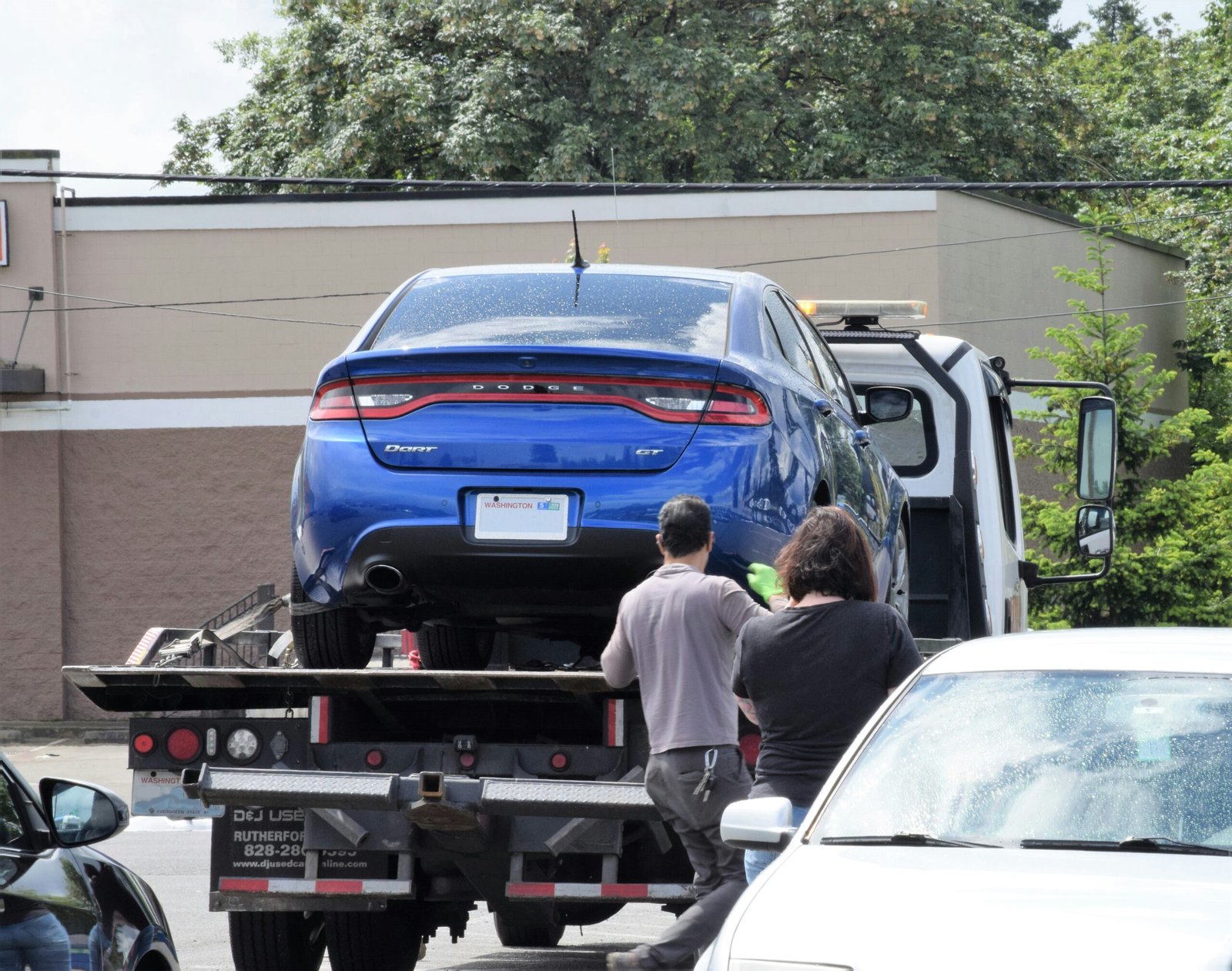
A flatbed tow truck carries the vehicle with all four wheels off the road. This method is often suitable for damaged vehicles, many all-wheel-drive cars, and vehicles that require careful loading.
Other towing methods may be appropriate depending on the vehicle manufacturer’s requirements and its mechanical condition.
If the transmission, drivetrain, steering, or suspension has been damaged, explain this before the tow begins. The operator can then determine the safest practical method of transport.
4. Confirm the Quote and Delivery Arrangements
Before authorising the service, confirm the total estimated cost, any additional charges, the expected pickup time, and the delivery arrangements.
Ask whether the quote includes loading, mileage, waiting time, difficult access, or any special equipment that might be required.
If the vehicle is being delivered to a repair shop, check its opening hours and confirm that someone can receive it.
Clear arrangements reduce the risk of unnecessary waiting or additional handling.
Flatbed Towing vs Other Methods for Long-Distance Transport
The best towing method depends on the vehicle and the circumstances. A lower-priced option is not necessarily the most suitable if it creates additional risks for the vehicle.
| Consideration | Flatbed towing | Other towing methods |
|---|---|---|
| Vehicle contact with the road | All four wheels are carried off the road | Some methods leave wheels on the road |
| Damaged vehicles | Often suitable, depending on the damage | Suitability depends on the fault |
| All-wheel-drive vehicles | Often a practical option | Must follow manufacturer requirements |
| Loading requirements | Requires suitable space for the flatbed | May suit certain local or restricted-access situations |
| Overall cost | Depends on distance, equipment, and circumstances | Depends on distance, equipment, and circumstances |
For long-distance journeys, ask the towing provider to explain why the proposed method is suitable for your specific vehicle.
You can also read the Canadian Automobile Association’s automotive guidance for general vehicle ownership and travel information.
How Much Does Long-Distance Towing Cost?
There is no single price for long-distance towing across Alberta. The final cost depends on several factors, and a quote should be based on the actual transport requirements.
Distance and Route
The distance between the pickup and delivery locations is a major pricing factor. A journey between nearby communities will generally involve different costs from transporting a vehicle across the province.
Route conditions, travel time, and whether the truck must make a return journey can also affect the quote.
Vehicle Size and Weight
Transporting a small passenger car may require different equipment from transporting a large SUV, pickup truck, or commercial vehicle.
Heavier vehicles and unusual dimensions can affect equipment requirements and loading arrangements.
Vehicle Condition
A vehicle that rolls, steers, and can be loaded normally may be easier to transport than one with locked wheels, collision damage, or a failed suspension.
Additional recovery equipment or labour may be necessary in more complicated cases.
Pickup Accessibility
A vehicle stranded in a narrow underground garage or an awkward roadside position may require extra preparation before it can be loaded.
Tell the operator about height restrictions, tight access, damaged wheels, and other obstacles when requesting a quote.
Timing and Scheduling
An emergency pickup may require different arrangements from a transport booking made several days in advance.
Ask about the expected schedule and any additional charges before confirming the service.
Tip: Request a written or clearly itemised estimate whenever possible. Compare the total price and the services included rather than choosing solely on the initial quoted amount.
How to Prepare Your Car Before Long-Distance Towing
Preparing your vehicle helps the towing operator handle it correctly and reduces the chance of confusion during collection and delivery.
Use this checklist before the scheduled pickup.
- Remove valuables, personal documents, and loose belongings.
- Take photographs of the vehicle’s exterior and any existing damage.
- Tell the operator about mechanical faults, warning lights, and damaged wheels.
- Inform the operator if the vehicle has an electronic parking brake or unusual transmission requirements.
- Remove or secure loose accessories that could become detached during transport.
- Confirm that the pickup location is accessible to the required equipment.
- Verify the delivery address and the receiving person’s contact information.
- Confirm the agreed price, schedule, and any special instructions.
Do not attempt to repair a dangerous mechanical fault simply to make the vehicle easier to tow. Explain the problem so the operator can plan the recovery appropriately.
If the vehicle contains an electric or hybrid powertrain, disclose this as well. The correct transport procedure depends on the vehicle’s design and manufacturer instructions.
What Should You Do If Your Car Breaks Down Far From Home?
A breakdown on an unfamiliar road can be stressful, especially when traffic is moving quickly or daylight is fading.
Your first priority should be personal safety, not arranging the vehicle’s transport.
Move Away From Traffic When Safe
If possible, guide the vehicle to a safe location away from moving traffic. Turn on the hazard lights if they work.
If the vehicle cannot be moved safely, remain alert to surrounding traffic and follow instructions from emergency responders. Do not stand in an exposed traffic lane to inspect the damage.
Assess the Situation Without Taking Risks
Look for obvious signs of trouble only if it is safe to do so. Do not crawl beneath the vehicle on the roadside or attempt repairs in an unsafe location.
If you notice smoke, a fuel leak, or another immediate hazard, move away and contact emergency services as appropriate.
Share Your Exact Location
When requesting roadside assistance, provide the road name, direction of travel, nearest exit, and any useful landmarks.
Accurate location details help the operator find you and assess the access conditions before dispatch.
If the vehicle is repairable at the roadside, a suitable service may avoid the need for a long-distance tow. If it cannot be driven safely, arrange transport to an appropriate destination.
You can explore ARM Towing’s roadside assistance and recovery services to see the types of help listed by the company.
How to Choose a Long-Distance Towing Company
When transporting a vehicle over a significant distance, the quality of the service matters just as much as the quoted price.
Before booking, consider the following:
Equipment suitability: Ask whether the company has equipment appropriate for your vehicle’s size, condition, and drivetrain.
Clear pricing: Confirm the estimated total and ask about additional charges for difficult loading, waiting time, or changes to the route.
Communication: Make sure you know who to contact if the pickup or delivery schedule changes.
Insurance and responsibility: Ask what coverage applies during transport, what exclusions exist, and how existing vehicle damage should be documented.
Delivery arrangements: Confirm where the vehicle will be delivered, when it is expected to arrive, and who is responsible for receiving it.
Experience with your vehicle: If you own a low-clearance, luxury, or specialty vehicle, explain its requirements before booking.
Taking a few minutes to confirm these details can help you avoid misunderstandings and choose a service that fits your needs.
Frequently Asked Questions
Can I have my car towed from Calgary to another Alberta city?
Yes. Long-distance towing can transport vehicles between cities, subject to the provider’s service area, equipment availability, and the vehicle’s condition. Request a quote with both addresses.
Is flatbed towing better for long-distance journeys?
A flatbed can be an appropriate choice because all four wheels remain off the road during transport. However, the best method depends on the vehicle manufacturer’s instructions, drivetrain, damage, and loading conditions.
Can a non-running vehicle be transported over a long distance?
Yes, in many cases. Tell the towing provider that the vehicle does not run and explain whether its wheels roll, whether the steering works, and whether it has mechanical damage. Special equipment may be required.
Should I empty my car before it is towed?
Remove valuables, important documents, and loose items. Ask the provider whether personal belongings can remain in the vehicle and whether any restrictions apply.
Does insurance cover long-distance towing?
Coverage depends on your insurance policy, roadside assistance membership, and the circumstances of the breakdown. Contact your insurer or provider to confirm limits, approved destinations, and any reimbursement requirements before authorising the service.
How can I avoid unexpected towing charges?
Provide accurate pickup and delivery locations, explain the vehicle’s condition, and request a clear quote before dispatch. Confirm whether mileage, loading, waiting time, and special equipment are included.
Final Thoughts
Long-distance car towing can be a practical solution when a vehicle cannot be driven safely or needs to reach a repair facility outside your local area. The key is to plan the transport around the vehicle’s condition, the distance involved, and the equipment required.
Before booking, provide accurate information, compare quotes, confirm delivery arrangements, and ask how your vehicle will be secured during transport.
For drivers who need help moving a vehicle from Calgary to another destination, ARM Towing lists long-distance towing among its services. Contact the company to discuss your pickup location, destination, vehicle condition, and transport requirements.

Moussa El Haddaoui is a digital content creator, web developer, and SEO specialist with a background in English Studies. He writes engaging, informative content and builds websites focused on user experience, search visibility, and quality. His interests include web development, AI automation, digital marketing, and creating useful online experiences.