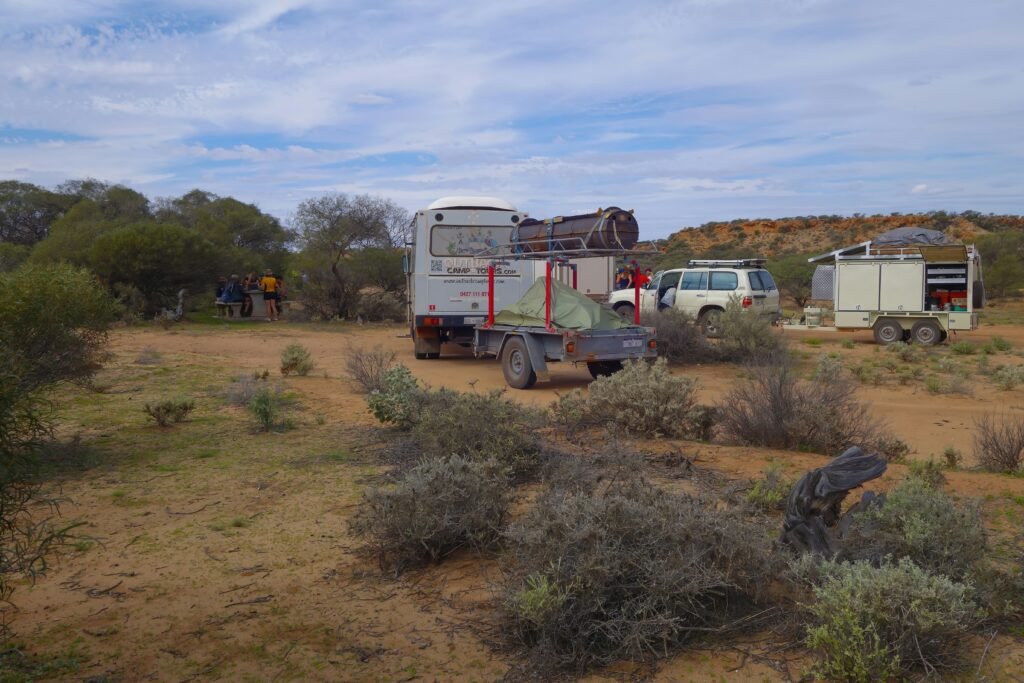
When you talk about moving heavy items, transporting broken-down vehicles, or managing a commercial fleet, two terms inevitably get thrown around interchangeably: towing and hauling. While everyday drivers often use them to mean the exact same thing—usually referring to moving something heavy from Point A to Point B—they represent completely distinct mechanical processes, engineering principles, weight distributions, and legal classifications.
Understanding the difference between towing and hauling is not just a matter of semantics. Making the wrong choice can lead to catastrophic vehicle damage, severe safety hazards on the highway, regulatory non-compliance, insurance claim denials, and massive financial waste.
Whether you are trying to figure out what kind of service to call for a roadside breakdown, calculating your truck’s payload limits, or designing a commercial logistics workflow, this comprehensive guide will break down everything you need to know about towing vs hauling.
1. Core Definitions: What Do Towing and Hauling Actually Mean?
To properly evaluate towing vs hauling, we must first establish crisp, industry-accurate definitions for both terms.
What is Towing?
Towing refers to the act of pulling a separate object—such as a trailer, a boat, a recreational vehicle, or another motor vehicle—behind a primary powered vehicle using a mechanical hitch, tow bar, strap, or chain.
- The Key Characteristic: The object being moved typically rolls along the ground on its own wheels.
- The Dynamic: The towing vehicle (the tugger) exerts forward tractive force, while the towed object follows passively behind, subject to momentum, inertia, and environmental forces like crosswinds and trailer sway.
What is Hauling?
Hauling, on the other hand, refers to transporting cargo, goods, machinery, or another vehicle directly on or within the primary vehicle’s own structure.
- The Key Characteristic: The load is completely supported by the transporting vehicle’s frame, bed, platform, or internal cargo bay. Nothing is rolling behind on its own separate set of active steering or trailing wheels (unless it is a semi-truck configuration, but even then, the weight of a semi-trailer is distributed directly onto the fifth wheel of the tractor via downward vertical load, distinct from standard bumper-pull towing).
- The Dynamic: The weight is integrated straight into the chassis of the hauler, meaning it affects the vehicle’s center of gravity, payload capacity, and vertical axle weight ratings directly.
2. The Fundamental Mechanics: How Load Placement Changes Everything
The primary variance between towing and hauling boils down to physics and load distribution. How weight interacts with your vehicle dictates how it handles, accelerates, brakes, and corners.
The Physics of Towing
When you tow a trailer or pull a disabled car, the connection point is the hitch.
- Tongue Weight: A portion of the trailer’s weight presses down on the hitch (typically 10% to 15% of the total trailer weight), while the remaining weight rests on the trailer’s own axles.
- Dynamic Forces: Because the load is trailing behind, it introduces forces that do not exist when carrying cargo internally. Trailer sway (fishtailing) can occur due to crosswinds, uneven weight distribution, or passing semi-trucks.
- Stopping Distances: The towing vehicle must not only slow down its own mass but also fight the momentum of a heavy object pushing it from behind, putting immense strain on the braking system.
The Physics of Hauling
When you haul cargo inside a truck bed, a dump box, or on top of a flatbed truck, the entire weight profile rests vertically downward onto the vehicle’s suspension and frame.
- Center of Gravity: Hauling heavy loads—especially tall or top-heavy cargo—raises the vehicle’s center of gravity. This increases the risk of rollover during sharp maneuvers or sudden lane changes.
- Axle Loading: Hauling requires careful monitoring of front and rear gross axle weight ratings (GAWR). Overloading the rear axle can lift the front steering tires off the pavement slightly, reducing steering responsiveness and braking efficiency.
3. Towing vs Hauling Capacity: GVWR, GCWR, and Payload Explained
When evaluating vehicle capabilities, manufacturers use strict acronyms. Conflating towing capacity with hauling capacity is a dangerous mistake that leads to blown transmissions, snapped axles, and highway accidents.
| Metric | Hauling Focus (Payload) | Towing Focus (Towing Capacity) |
| Definition | Maximum weight a vehicle can safely carry inside its cabin, bed, or platform. | Maximum weight a vehicle can pull safely behind it via a hitch. |
| Governing Ratings | GVWR (Gross Vehicle Weight Rating) minus Curb Weight. | GCWR (Gross Combined Weight Rating) minus Vehicle Weight. |
| Primary Stress Point | Suspension, tires, frame, and rear axle. | Transmission, engine cooling, hitch receiver, and brakes. |
| Typical Limits | Varies widely; light trucks handle 1,500 to 5,000+ lbs; heavy commercial haulers handle much more. | Often exceeds the vehicle’s own curb weight (light trucks can tow 7,000 to 20,000+ lbs depending on setup). |
Decoding the Acronyms
- GVWR (Gross Vehicle Weight Rating): The maximum operating weight/mass of a single vehicle as specified by the manufacturer, including the vehicle’s chassis, body, engine, fluids, fuel, accessories, driver, passengers, and cargo payload.
- Payload Capacity: This is your true hauling capability. It equals the GVWR minus the actual curb weight of the empty vehicle. If your truck weighs 5,000 lbs and has a GVWR of 7,000 lbs, your maximum hauling payload is 2,000 lbs.
- GCWR (Gross Combined Weight Rating): The maximum allowable combined mass of your towing vehicle, the trailer, all passengers, fuel, cargo in the truck, and cargo inside the trailer. Exceeding your GCWR compromises structural integrity and powertrain longevity.
4. Equipment Breakdown: Vehicles and Gear Used for Each Method
The machinery used for towing versus hauling differs drastically. Let’s look at the dedicated hardware engineered for each task.
Equipment Used for Towing
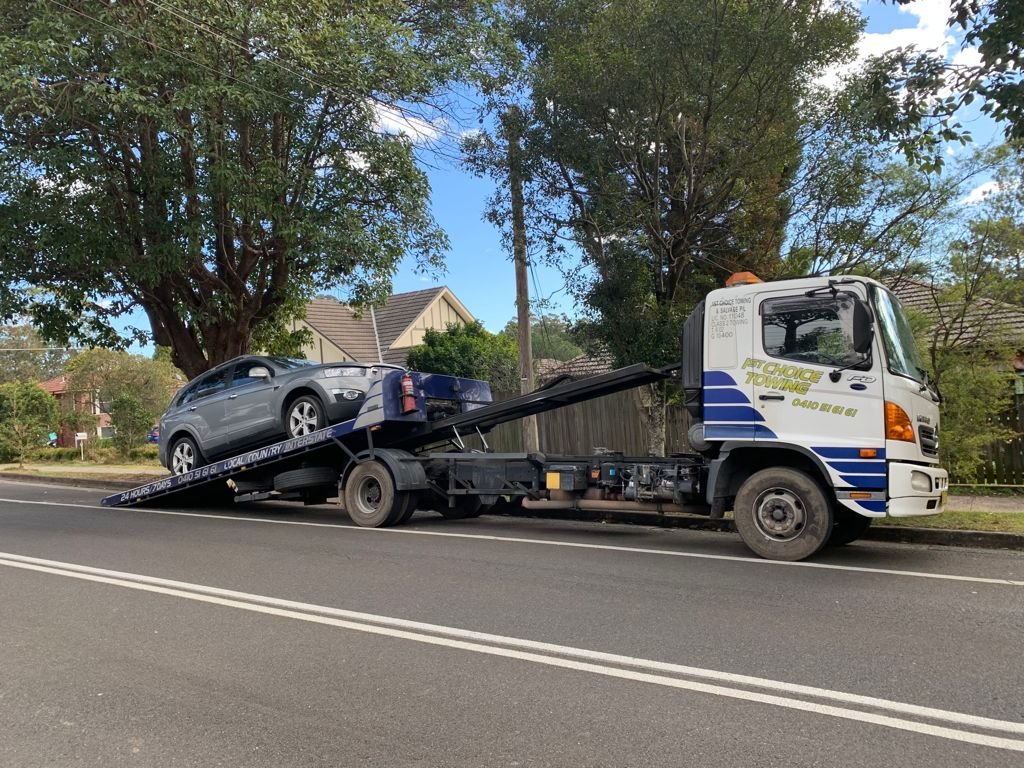
- Wreckers and Rollbacks (Tow Trucks): Used primarily in recovery operations. They utilize wheel-lifts or hydraulic booms to lift one end of a disabled vehicle off the pavement while the other set of wheels rolls behind.
- Hitches and Receivers: Class I through Class V receiver hitches attached to consumer passenger vehicles, SUVs, and light trucks.
- Tow Dollies and Flatbed Trailers: Used by everyday consumers to pull a secondary vehicle behind a moving truck or RV.
Equipment Used for Hauling
- Flatbed Trucks and Stake Beds: Vehicles with an open, flat platform designed for loading heavy construction materials, pallets, or machinery directly onto the deck.
- Dump Trucks: Heavy-duty trucks equipped with an open-box bed hinged at the rear, used for hauling aggregate, dirt, sand, and demolition debris.
- Box Trucks and Cargo Vans: Enclosed vehicles built specifically to haul commercial goods, furniture, and retail inventory securely protected from weather elements.
- Semi-Tractors with Dry Vans/Reefers: The heavyweights of commercial hauling, carrying immense freight loads across interstate systems.
5. Cost Analysis: Which Option Costs More?
Cost structures vary heavily depending on whether you are hiring a professional service or investing in your own equipment for personal or business use.
Hiring Professional Services
- Towing Costs: Local emergency towing is typically billed via a hook-up fee plus a per-mile rate. Because standard tow trucks are widely available and operational footprints are smaller, short-distance roadside towing is usually cost-effective.
- Hauling Costs: Long-distance commercial hauling or heavy machinery transport requires specialized flatbeds, heavy equipment trailers, permits, and escorts. Per-mile costs are higher ($3 to $6+ per mile depending on scale), and insurance premiums for cargo transport are significantly elevated.
Operating Your Own Equipment (Fuel & Wear)
- Fuel Consumption: Hauling heavy internal loads decreases fuel economy due to constant extra weight pressing down on the tires and chassis. Towing introduces severe aerodynamic drag (especially with large boxy travel trailers), which often tanks fuel economy even worse than internal hauling.
- Maintenance Expenses: Towing wears out transmissions, cooling systems, and brakes rapidly due to the strain of pulling dead momentum. Hauling wears out tires, suspension components, leaf springs, and wheel bearings due to continuous vertical compression weight.
6. Safety, Risks, and Legal Considerations
Operating outside legal and physical weight thresholds creates massive liabilities. Law enforcement agencies strictly enforce weight limits via roadside scales and mobile inspection units.
Safety Risks of Improper Towing
- Sway and Jackknifing: Inadequate tongue weight distribution can cause a trailer to violently oscillate, leading to loss of control.
- Brake Fade: Overheating trailer brakes or overloading factory truck brakes results in runaway scenarios on steep mountain descents.
Safety Risks of Improper Hauling
- Shift of Cargo: Inadequately tied-down hauling loads can shift mid-transit, throwing off the center of gravity and causing tip-overs or spilling debris onto high-speed roadways.
- Tire Blowouts: Overloading a truck past its designated tire load index causes excessive heat generation, resulting in catastrophic high-speed blowouts.
Legal and Licensing Compliance
- CDL Requirements: Hauling commercial loads that exceed certain weight thresholds (typically a Gross Combination Weight Rating exceeding 26,001 lbs, provided the towed unit is over 10,000 lbs) triggers commercial driver’s license (CDL) requirements.
- Permitting: Oversized hauling loads require state-specific route permits, warning banners, and pilot cars. Towing a standard vehicle behind a standard pickup rarely requires special permits unless the combined dimensions exceed standard statutory limits.
7. Industry-Specific Applications: When to Choose Which
Different industries rely on distinct combinations of towing and hauling to maintain operational efficiency.
Automotive and Roadside Assistance
- Verdict: Towing Wins. When a vehicle breaks down on the highway due to transmission failure, a dead battery, or a collision, you need a wrecker or flatbed tow truck to pull or lift it away from traffic. Trying to “haul” a stranded civilian car without the correct specialized rollback platform is impractical.
Construction and Landscaping
- Verdict: Hauling Wins (with Towing as Backup). Contractors haul heavy excavators, skid steers, bags of concrete, and gravel directly in dump beds or heavy equipment trailers. However, a contractor might tow a secondary utility trailer loaded with smaller hand tools behind their primary hauling truck.
Logistics and E-Commerce Fulfillment
- Verdict: Hauling Wins. Moving retail goods from a distribution center to retail stores requires commercial box trucks or semi-trucks that haul inventory internally.
8. Frequently Asked Questions (FAQs)
Can a vehicle be used for both towing and hauling simultaneously?
Yes! Modern heavy-duty pickup trucks (like Ford F-250s, RAM 2500s, or Chevy Silverado 2500s) are engineered to handle both tasks at once. For example, you can load a heavy pallet of bricks into the truck bed (hauling) while simultaneously pulling a heavy trailer loaded with construction equipment behind the bumper (towing). However, you must carefully calculate your total GCWR to ensure you do not exceed the vehicle’s combined maximum limits.
towing vs hauling who is safer ?
Generally speaking, hauling offers better high-speed stability because the load is integrated directly into the chassis framework rather than bouncing or swaying behind a hitch. However, hauling introduces severe risks regarding high centers of gravity and vehicle rollovers if top-heavy loads are improperly secured.
What should I ask for when calling roadside assistance?
Be precise. If your car is completely disabled and cannot roll, specify that you need a flatbed tow truck (hauling your car onto a flatbed deck). If your car is operational but stuck, or you are moving a trailer, use the correct terminology to ensure the dispatch company sends the right rig.
9. Conclusion: Making the Right Choice
While the terms towing vs hauling are frequently mashed together in casual everyday conversation, respecting their technical boundaries is essential for safe driving and smart asset management.
- Choose towing when you need to pull an external object—like a broken-down car, a boat, or a travel trailer—where the object rolls on its own wheels behind a hitch.
- Choose hauling when you are carrying cargo, equipment, or materials directly on your vehicle’s bed, platform, or internal chassis frame.
Always consult your vehicle owner’s manual, verify your payload and towing limits against manufacturer specifications, and prioritize safety over convenience. By understanding the mechanical realities of towing and hauling, you protect your equipment, safeguard fellow motorists, and optimize every trip you make on the road.

Moussa El Haddaoui is a digital content creator, web developer, and SEO specialist with a background in English Studies. He writes engaging, informative content and builds websites focused on user experience, search visibility, and quality. His interests include web development, AI automation, digital marketing, and creating useful online experiences.