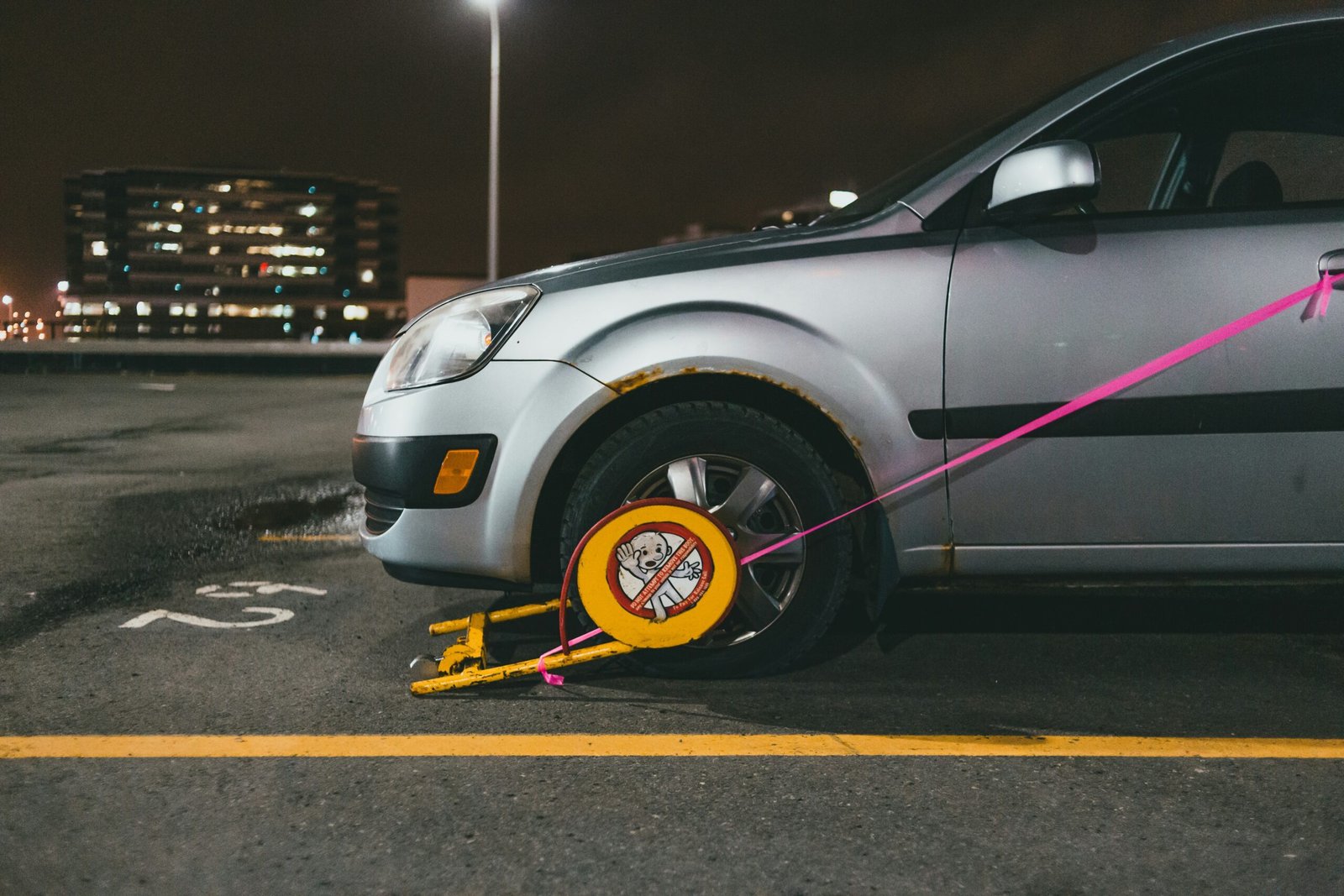
A locked wheel can make an already stressful towing situation much more complicated.
Maybe your battery is dead and the electronic parking brake will not release. Maybe your vehicle has been involved in an accident and one wheel is damaged. Or perhaps the steering is locked and the car cannot roll normally.
In these situations, many drivers wonder:
“Can a tow truck still move my car?”
Usually, the answer is yes — but the vehicle may require the right equipment and towing method.
Trying to force a vehicle with locked or damaged wheels can cause additional damage. The safest approach is to tell the towing operator exactly what is happening before the recovery begins.
Quick Checklist: Car With Locked Wheels
Before arranging a tow:
- Tell the operator that the wheels are locked.
- Explain whether the parking brake is engaged.
- Mention if the vehicle has an electronic parking brake.
- Say whether the vehicle starts.
- Explain whether the steering wheel moves.
- Check for visible wheel or tyre damage.
- Tell the operator if the vehicle was involved in a collision.
- Mention whether the car is AWD, 4WD or electric.
- Do not try to drag the vehicle yourself.
- Ask about the appropriate recovery method.
A locked wheel does not necessarily mean the vehicle cannot be towed. It simply means the recovery needs to be handled correctly.
What Does “Locked Wheels” Actually Mean?
“Locked wheels” can describe several different situations.
The wheels may be unable to rotate because:
- The parking brake is engaged
- An electronic parking brake will not release
- A brake has seized
- A wheel is damaged
- The steering is locked
- The vehicle has lost electrical power
- The transmission is not releasing normally
- Collision damage is preventing normal movement
The cause matters because it affects how the vehicle should be moved.
A tow operator should know the condition of the vehicle before choosing the recovery equipment.
Can a Car Be Towed If the Wheels Cannot Roll?
Yes, a vehicle that cannot roll normally can often still be recovered.
The key is to avoid forcing the affected wheels to drag along the ground when doing so could cause damage.
Depending on the circumstances, a tow operator may use equipment designed to support or lift the affected wheels, or may use a flatbed to transport the entire vehicle.
The correct method depends on the vehicle and the reason the wheels are locked.
What Happens If the Parking Brake Is On?
A vehicle with the parking brake engaged may still be towable, but dragging the vehicle with the brake applied can create unnecessary stress and damage.
If possible, the parking brake should be released before towing.
However, that is not always possible.
For example, the battery may be completely dead, the electronic parking brake may not respond, or the brake mechanism itself may be damaged.
Tell the tow operator before they attempt to move the vehicle.
Electronic Parking Brakes Can Make Things More Complicated
Many newer vehicles use an electronic parking brake rather than a traditional handbrake.
This can create a problem when the vehicle has no electrical power.
The driver may be unable to release the brake normally.
Depending on the vehicle, there may be a manufacturer-approved procedure for releasing the electronic parking brake manually or temporarily.
Do not assume that every vehicle uses the same procedure.
If you are unsure, check the vehicle’s instructions or tell the towing operator that the electronic parking brake is engaged.
What If the Battery Is Completely Dead?
A dead battery can prevent more than just the engine from starting.
On some vehicles, electrical power may also be needed for systems such as:
- Electronic parking brakes
- Gear selection
- Steering locks
- Door locks
- Other electronic controls
This is one reason a vehicle with a dead battery should not automatically be treated like a conventional car that simply needs a jump-start.
If the battery can be safely boosted and the vehicle returns to normal operation, roadside assistance may solve the problem.
If the battery cannot be restored or the vehicle still cannot move, towing may be required.
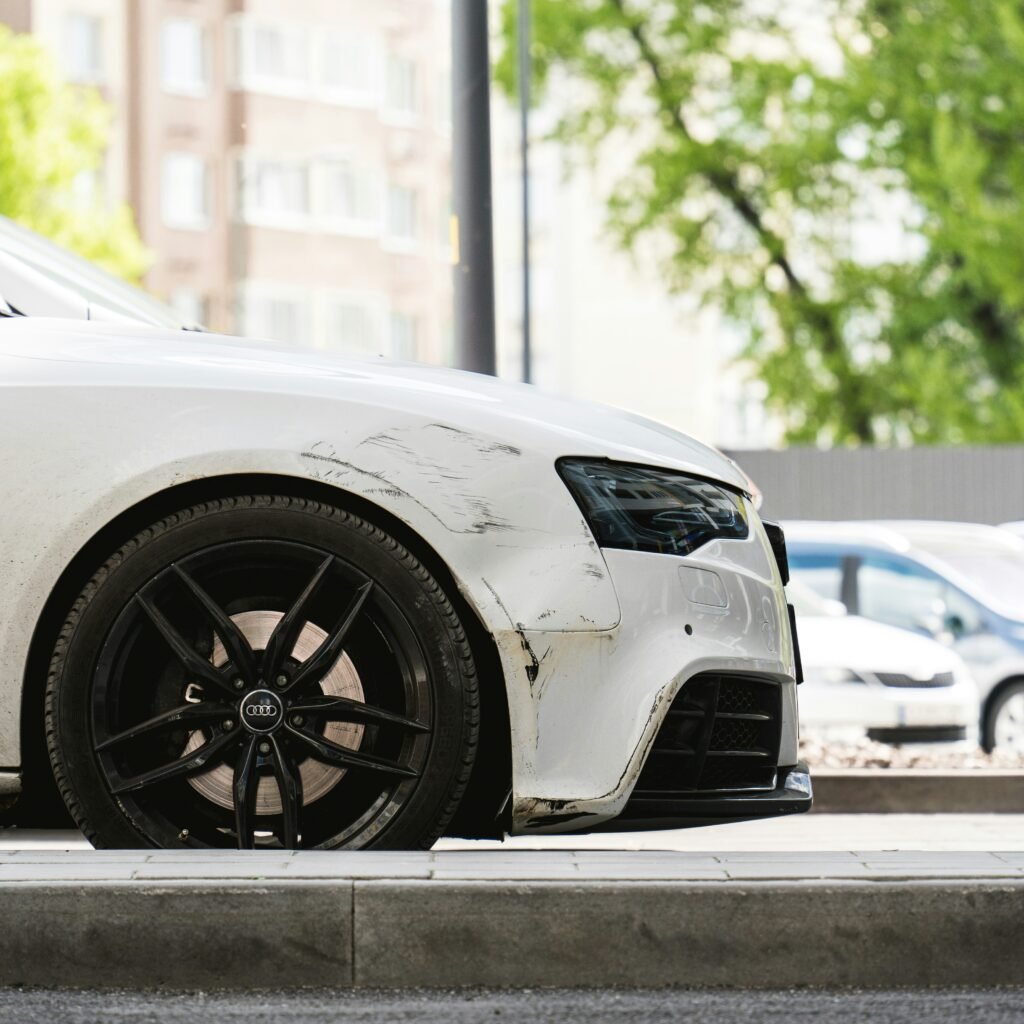
What If the Wheels Locked After an Accident?
This is a completely different situation from a simple dead battery.
A collision can damage:
- Brake components
- Suspension
- Steering
- Wheel hubs
- Tyres
- Axles
- Drivetrain components
If one or more wheels cannot rotate after an accident, do not assume the vehicle can simply be pulled away.
Forcing a damaged wheel to roll can make the damage worse.
Professional accident recovery is generally the better option.
What If Only One Wheel Is Locked?
A single locked wheel can still prevent normal towing.
For example, a damaged brake caliper or wheel bearing could prevent one wheel from rotating properly.
A vehicle may look almost normal from the outside while one wheel is mechanically unable to roll.
Tell the tow operator if you know which wheel is affected.
This information can help determine what equipment is needed.
Can a Tow Truck Drag a Locked Wheel?
It depends on the vehicle and the recovery equipment.
Simply dragging a locked or damaged wheel along the road is not automatically the correct solution.
A professional operator may use equipment to support the affected wheel or load the vehicle onto a flatbed.
The goal is to move the vehicle without unnecessarily damaging tyres, wheels, suspension or drivetrain components.
When Is Flatbed Towing a Better Choice?
Flatbed towing can be useful when the vehicle needs to be transported without its wheels rolling on the road.
This can be particularly relevant when:
- Multiple wheels are damaged
- The vehicle cannot roll
- Steering is damaged
- The vehicle has suffered major collision damage
- The drivetrain requires specific towing precautions
- The vehicle is an AWD or specialised vehicle
- The vehicle is an EV and requires appropriate recovery procedures
The towing operator should assess the vehicle before selecting the method.
What About AWD and 4WD Vehicles?
All-wheel-drive and four-wheel-drive vehicles can have specific towing requirements.
The drivetrain may be affected if a vehicle is towed incorrectly, particularly if some wheels are rotating while others are not.
This does not mean every AWD or 4WD vehicle automatically requires a flatbed.
It means the towing method should be selected according to the vehicle manufacturer’s requirements and the actual condition of the vehicle.
Tell the operator that the vehicle is AWD or 4WD when requesting assistance.
What About Electric Vehicles?
Electric vehicles can also have specific towing and recovery requirements.
An EV may use an electronic parking brake and other systems that depend on electrical power.
After a collision, there may also be additional concerns involving the high-voltage battery system.
If your EV cannot move normally, tell the tow operator that it is an electric vehicle.
Do not assume that the same recovery method used for an ordinary petrol vehicle is appropriate for every EV.
What If the Steering Wheel Is Locked?
A locked steering wheel creates another important towing consideration.
If the front wheels cannot turn, manoeuvring the vehicle becomes more difficult.
This can happen because of:
- A steering-lock system
- Loss of electrical power
- Mechanical steering damage
- Collision damage
Tell the towing operator if the steering does not work.
Trying to force the steering wheel or moving the vehicle aggressively can make an existing problem worse.
What If the Car Is in Park?
A vehicle being stuck in Park is not necessarily the same as having locked wheels.
Modern automatic vehicles may use electronic gear selectors, and electrical problems can sometimes prevent normal gear selection.
Some vehicles have a manufacturer-specific method for releasing the transmission from Park when the battery is dead.
If the vehicle cannot be shifted into Neutral, tell the towing operator before recovery.
Do not try to force the gear selector.
What If the Car Is in an Underground Garage?
A locked-wheel vehicle inside an underground parking garage can be particularly challenging.
There may be:
- Low ceilings
- Narrow ramps
- Tight corners
- Concrete pillars
- Limited turning space
- Other parked vehicles
- Speed bumps
- Restricted access
Tell the towing company that the vehicle is inside an underground garage before assistance arrives.
The available clearance and access can affect which recovery equipment is suitable.
What If the Vehicle Is Stuck in Snow With Locked Wheels?
Snow recovery becomes more complicated when the wheels cannot rotate.
A normal traction recovery may not work because the vehicle cannot use its own wheels to move.
Do not repeatedly accelerate or ask another vehicle to pull aggressively on it.
This can place unnecessary strain on the vehicle and recovery equipment.
A professional recovery operator can assess whether the vehicle should be pulled, lifted or loaded using appropriate equipment.
Do Not Use Another Vehicle to Drag It Out
One of the biggest mistakes is attaching a rope or strap to a locked vehicle and pulling it aggressively with another car or truck.
This can create several risks.
The connection can fail, the disabled vehicle can move unexpectedly, or components can be damaged.
Recovery equipment should be rated and used correctly.
If the vehicle cannot roll normally, professional towing is a safer option than improvising.
What Information Should You Give the Tow Operator?
Before the truck arrives, provide as much information as possible.
Tell them:
Vehicle: Make, model and year if known.
Drive system: FWD, RWD, AWD or 4WD.
Powertrain: Petrol, diesel, hybrid or electric.
Wheel condition: Whether one or more wheels are locked or damaged.
Parking brake: Whether it is engaged.
Steering: Whether the front wheels can turn.
Transmission: Whether the vehicle can shift into Neutral.
Location: Roadside, driveway, parking lot, underground garage or another location.
Cause: Accident, dead battery, mechanical failure, snow or unknown problem.
This information can make a significant difference when determining how to recover the vehicle.
Why You Should Not Force a Locked Vehicle to Move
A vehicle that refuses to roll is giving you useful information.
Something is preventing normal movement.
Forcing it can potentially damage:
- Tyres
- Wheels
- Brake components
- Suspension
- Steering
- Axles
- Transmission
- Drivetrain components
The fact that the vehicle is already disabled is a reason to be careful, not a reason to pull harder.
How ARM Towing Can Help
If your vehicle has locked wheels and cannot move normally, ARM Towing can provide towing and vehicle recovery assistance in Calgary.
When you call, explain exactly what is happening.
Tell the operator whether the parking brake is engaged, whether the vehicle is in Park, whether the battery is dead and whether the wheels or steering are damaged.
If the vehicle is in a tight parking area, underground garage or snow-covered location, mention that as well.
Accurate information helps the operator prepare for the recovery rather than arriving without knowing what condition the vehicle is in.
Alberta Towing Rules You Should Know
Alberta’s Vehicle Towing and Storage Regulation has been in effect since April 1, 2026.
For towing and storage services covered by the regulation, businesses generally need consumer consent before towing and must provide a clear written estimate of towing and storage costs before the vehicle is moved. The rules also address invoices, vehicle location and access to personal belongings. (Alberta.ca)
Some situations are exempt, including certain tows directed by law enforcement, government authorities or private-property owners. (Alberta.ca)
If you arrange the tow yourself, asking about the applicable estimate and destination before the vehicle is moved can help you understand the service.
Frequently Asked Questions
Can a car with locked wheels be towed?
Yes. A vehicle with locked wheels can often be recovered, but the appropriate equipment and towing method depend on why the wheels are locked and the condition of the vehicle.
Can I tow a car with the parking brake on?
It is generally better to release the parking brake before moving the vehicle when possible. If it cannot be released, tell the tow operator so the vehicle can be recovered using an appropriate method.
What if my electronic parking brake will not release?
Do not force it. Tell the towing operator that the electronic parking brake is engaged. The appropriate procedure depends on the vehicle.
Can a dead battery lock the wheels?
A dead battery can prevent some electronic systems from operating, including electronic parking brakes or gear-selection systems on certain vehicles. The exact behaviour depends on the vehicle.
Does a locked wheel mean I need a flatbed?
Not necessarily. The correct method depends on the vehicle and the problem. However, a flatbed may be useful when the vehicle cannot roll normally or has significant wheel, steering or drivetrain damage.
Can I pull a locked-wheel car with another vehicle?
It is not recommended to improvise a recovery using another vehicle. A locked or damaged wheel can make recovery unpredictable and may result in further damage.
Does AWD change how a car should be towed?
It can. AWD and 4WD vehicles may have specific towing requirements, so tell the towing operator about the drivetrain before recovery.
What should I do if my car’s wheels locked after an accident?
Avoid forcing the vehicle to move. Keep yourself away from traffic where possible and arrange professional accident recovery. Tell the tow operator which wheels appear to be affected and whether the steering works.
Final Thoughts
A vehicle with locked wheels is not necessarily impossible to tow.
It simply needs to be treated differently from a vehicle that can roll and steer normally.
Whether the problem is an electronic parking brake, dead battery, accident damage, seized brake, damaged wheel or another mechanical issue, the safest approach is to explain the situation before the vehicle is moved.
Do not force it. Do not drag it blindly. Get the right recovery method for the vehicle.
For Calgary drivers, ARM Towing can help recover and transport vehicles that cannot move normally, including vehicles affected by mechanical problems, accidents, snow and restricted parking locations.
:::

Moussa El Haddaoui is a digital content creator, web developer, and SEO specialist with a background in English Studies. He writes engaging, informative content and builds websites focused on user experience, search visibility, and quality. His interests include web development, AI automation, digital marketing, and creating useful online experiences.